
According to some experts, the Boeing 787-8 Dreamliner accident precipitated in India on June 12 could be linked to an aircraft configuration problem. Flaps could be involved, which from the available images – of poor quality – would not seem correctly extended. What these mobile surfaces are and why they are fundamental in take -off and landing.
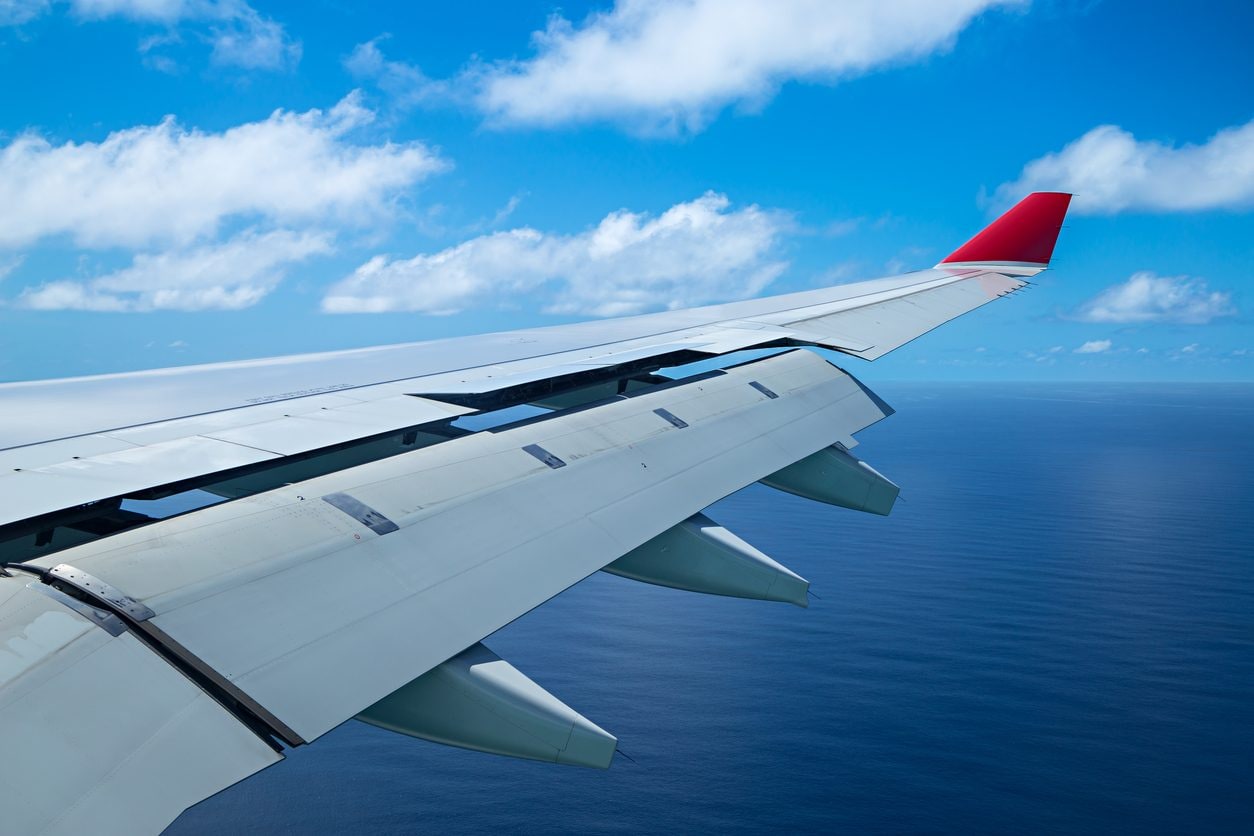
Extended flaps. Credit: Istock
THE’investigation To determine the causes of Air India’s AI171 flight disaster, he got to the heart, after the recovery of one of the two black boxesThe Digital Flight Data Recorder. THE’airplanea Boeing 787-8 Dreamlinercrashed on June 12 against a dormitory for about medical students 30 seconds After the take -offshowing obvious difficulties a take an altitude After detaching himself from the track. The catastrophic impact caused the death of Over 300 peopleall passengers and crew members on the aircraft – with the exception of the 40 -year -old Ramesh Viscashkumar, sitting on the 11th seat – and dozens of others inside the building. It was the first fatal accident which involved this large and modern aircraft and one of the most tragic of the last ten years in terms of lost human lives.
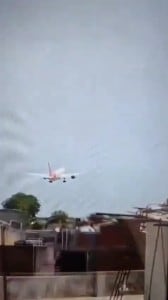
The causes of the accident are not yet known, but the Images and the dynamics of the impact suggest that there may have been gods problems Of configuration of the planeas indicated by some drivers contacted by the BBC. At the moment a broken down to both engines It is considered not very likely, being an extremely rare problem, while the spotlights are focused on some details on a couple of details: i trolley still lowered after about 30 seconds (generally they are retracted to one dozen seconds from take -off) and above all the position of the flap or hypersenters. The images are not very clear, however it seems that these APPENDICS ALARS They are not in the correct position to facilitate take -off. In practice, they would not be extended. These are only assumptions, not only in the light of the poor quality of the videos, but also because such a condition could prefigure an unusual and unlikely human errorin light of the multiple alarms And automatism linked to the use of these important mobile surfaces.
What are flaps or hypersenters
When we go up on a plane, during the operations of plump (the phase that leads from the parking lot to the track) it is not unusual to see flaps on wings who do up and down; It is a control that make i pilots To verify that everything works correctly. These appendices on Airplanes They are generally positioned in front and behind the ups andials – an attack and exit edge – and play a fundamental role especially in take -off and in thelanding. Flaps, in fact, modify the wing profile To increase the lift to reduced speeds. In simple words, they favor the vertical push upwards Thanks to the motion of the aircraft and help him to take altitude after detaching themselves from the track. In smaller planes may not be used for various reasons, while in larger ones they are extremely valuable to guarantee a correct configuration in the most critical phases of the flight. Another important function of flaps is to increase the aerodynamic resistanceTherefore during the landing they are more extended – compared to take -off – acting as stabilizers and partly as “brakes”, allowing to easily maneuver the plane at lower speeds and therefore guaranteeing a softer, safe and short landing. Recall that flaps can be adjusted with various degrees of inclination, for example 5, 10, 15 and 20.
Google’s artificial intelligence did not understand which plane fell: the problem with Air India
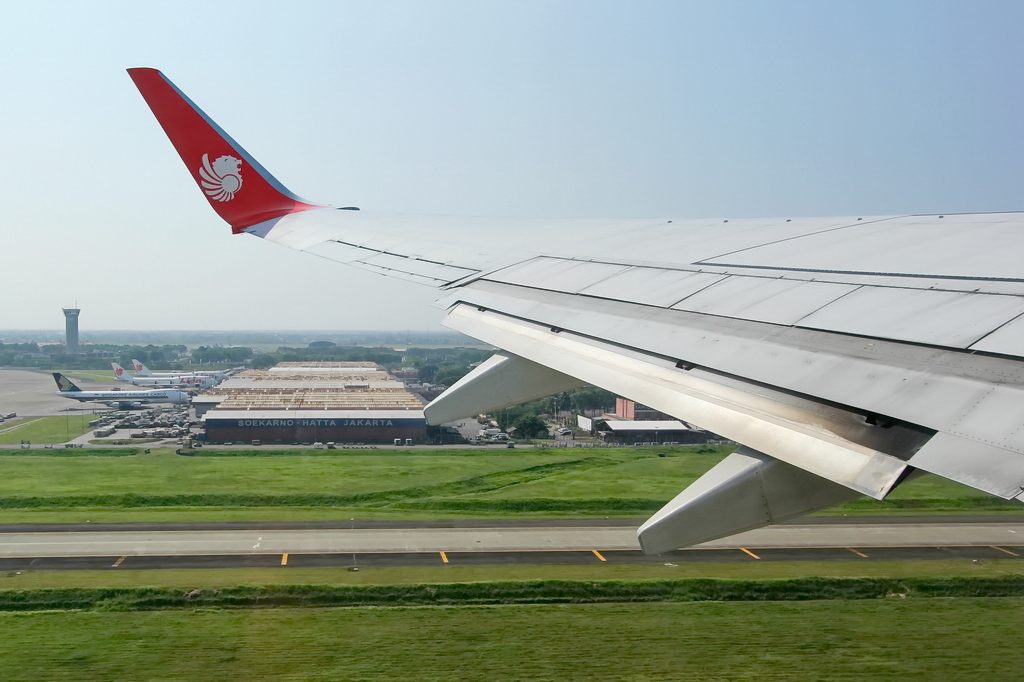
Extended flap. Credit: Wikipedia
Since they are so important mobile appendages, the verification of their operation is not only an integral part of the checklist that the pilots fill out before each flight, but modern aircraft have multiple sensors which indicate and automatically regulate the right angle of flaps according to condition of the trackat the temperature and of course to the type of the aircraft. If they are not correctly positioned, as explained to the BBC by a pilot, the crew of a 787 receives different alarms notice related to the incorrect take -off configuration. Also for this reason many experts do not believe in a problem with flaps. As the former pilot Marco Chan told the BBC, the images are not clear enough to determine if the flaps of the Air India Dreamliner were actually extended, but in this case we would be in front of an error “highly unusual“.
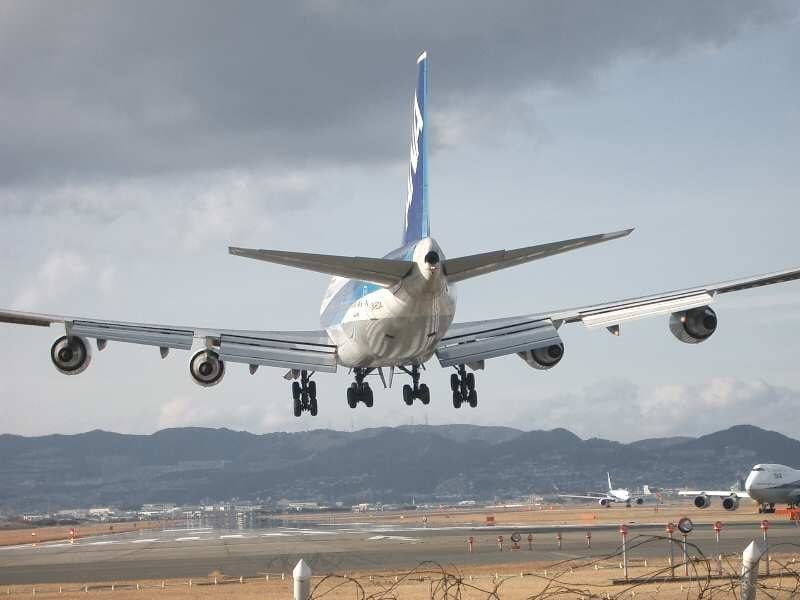
Flap of a 747 extended for the landing phase. Credit: Wikipedia
“Flaps are regulated by the pilots themselves, before take -off, and there are several checklists and procedures to verify their setting,” Chan explained. “This would indicate a potential human error if the flaps were not correctly adjusted,” said the former pilot. As indicated, however, the crew would have received impossible notices to be ignored before getting up.
A potential problem could be connected to very high temperatures recorded on Ahmedabad airport on June 12, close to 40 ° C. THE’hot air it is more rarefied and therefore less densetherefore makes take -off more difficult for two reasons: first of all it generates less portion and then pushed upwards, due to the reduced density; Furthermore, i reaction engines They need more power precisely because they encourage less air in similar conditions.
To counterbalance these effects, generally the pilots extend flaps with a greater inclination, in order to increase the lift and therefore the upholstery in the take -off phase. From the images of the accident you can see the Boeing 787-8 Dreamliner do a lot of effort to take altitude, before hitting the residential area. The alleged absence of extensive flaps suggests that at the base of the accident there may have been an incorrect configuration of the take -off aircraft, in a context of high and full load temperatures, both of passengers and fuel (about 100 tons, to reach the airport of Gatwik in London). We underline that these are only assumptions and that the real reasons of the accident will probably be clarified by the current investigation and the simultaneous analysis of the black box recovered.