
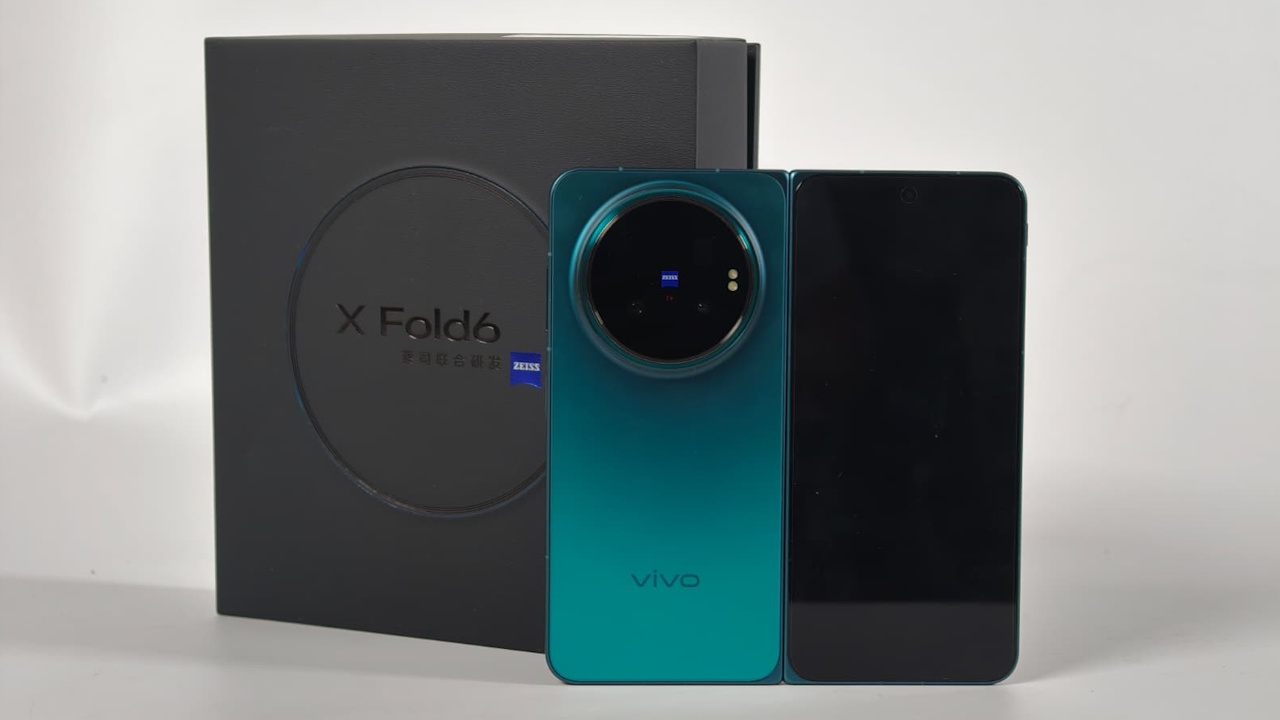
Officially announced and ready to finally debut on the Italian market, vivo it is in our hands, in its Chinese version (waiting for the European one) and we put it to the test without using it as our main smartphone. In fact, for this first look we will focus mainly on aesthetics and functionality in daily use. For the complete review we will wait for the version with Italian software.
Design and construction
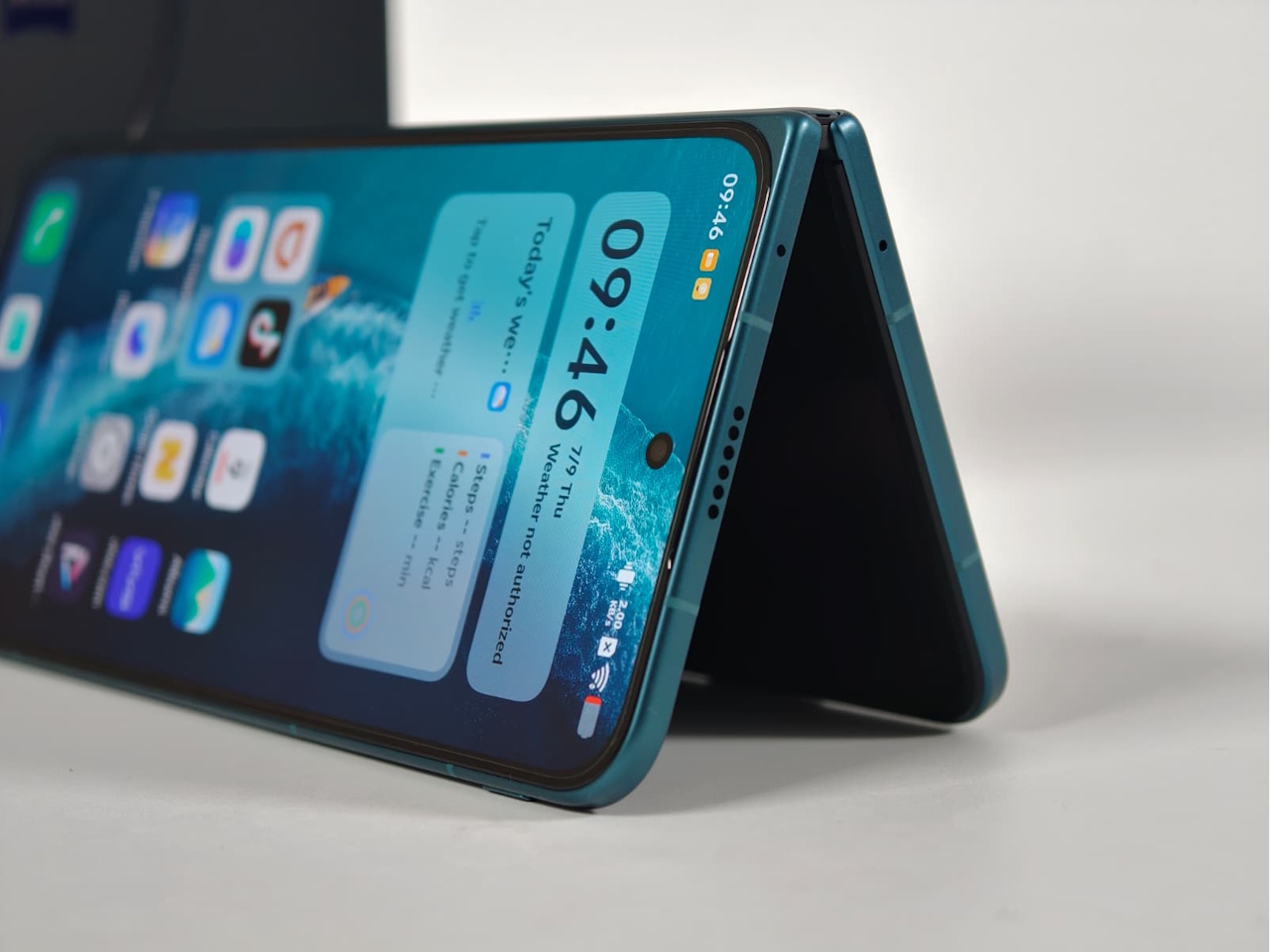
Picking up the vivo X Fold6 for the first time, the feeling of amazement is linked to the excellent engineering optimization work done on the body of the device. vivo 9.4 millimeters which drop to the incredible value of 4.4 millimeters when the display is opened. The weight stands at 228 grams: a lower value than some traditional flagships with titanium bodies. While not the thinnest foldable on the market, vivo has done an excellent job on the dimensions and materials.
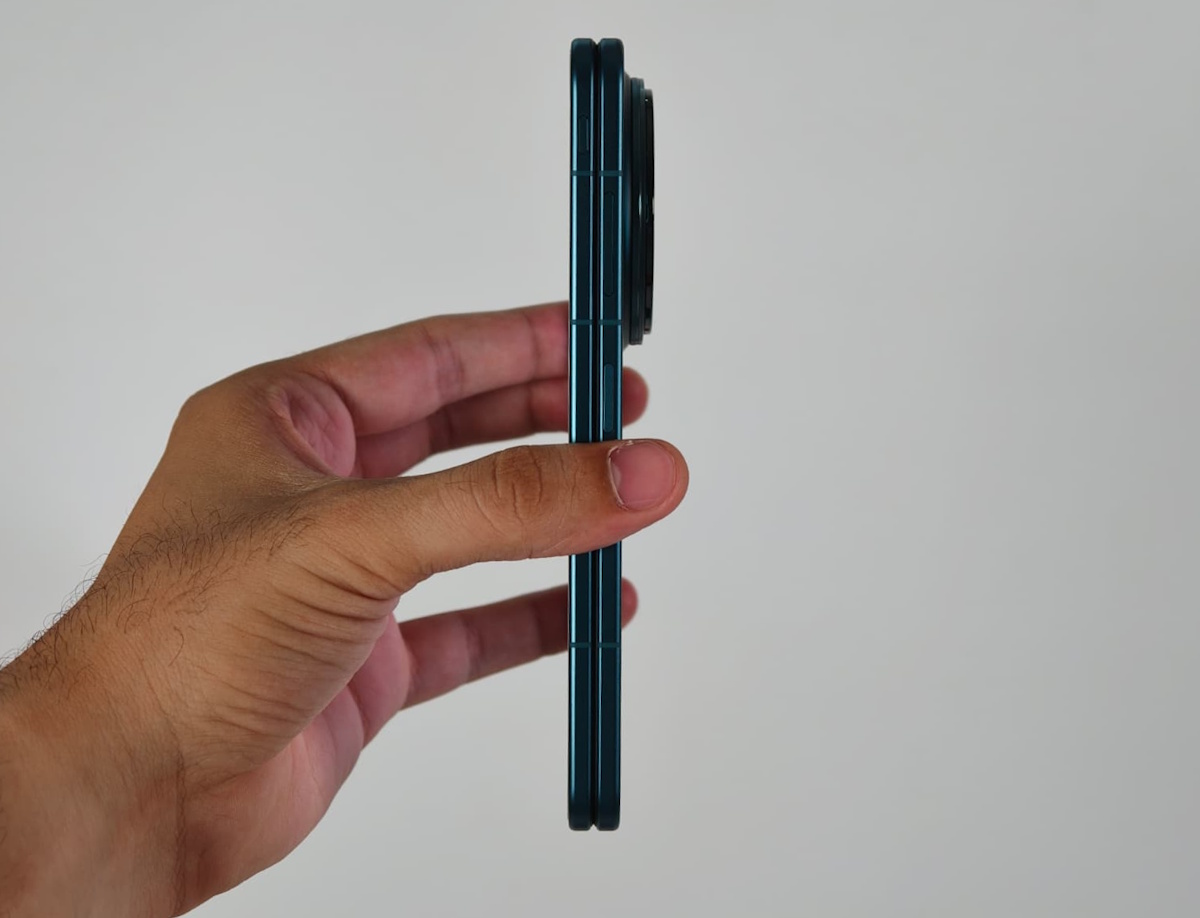
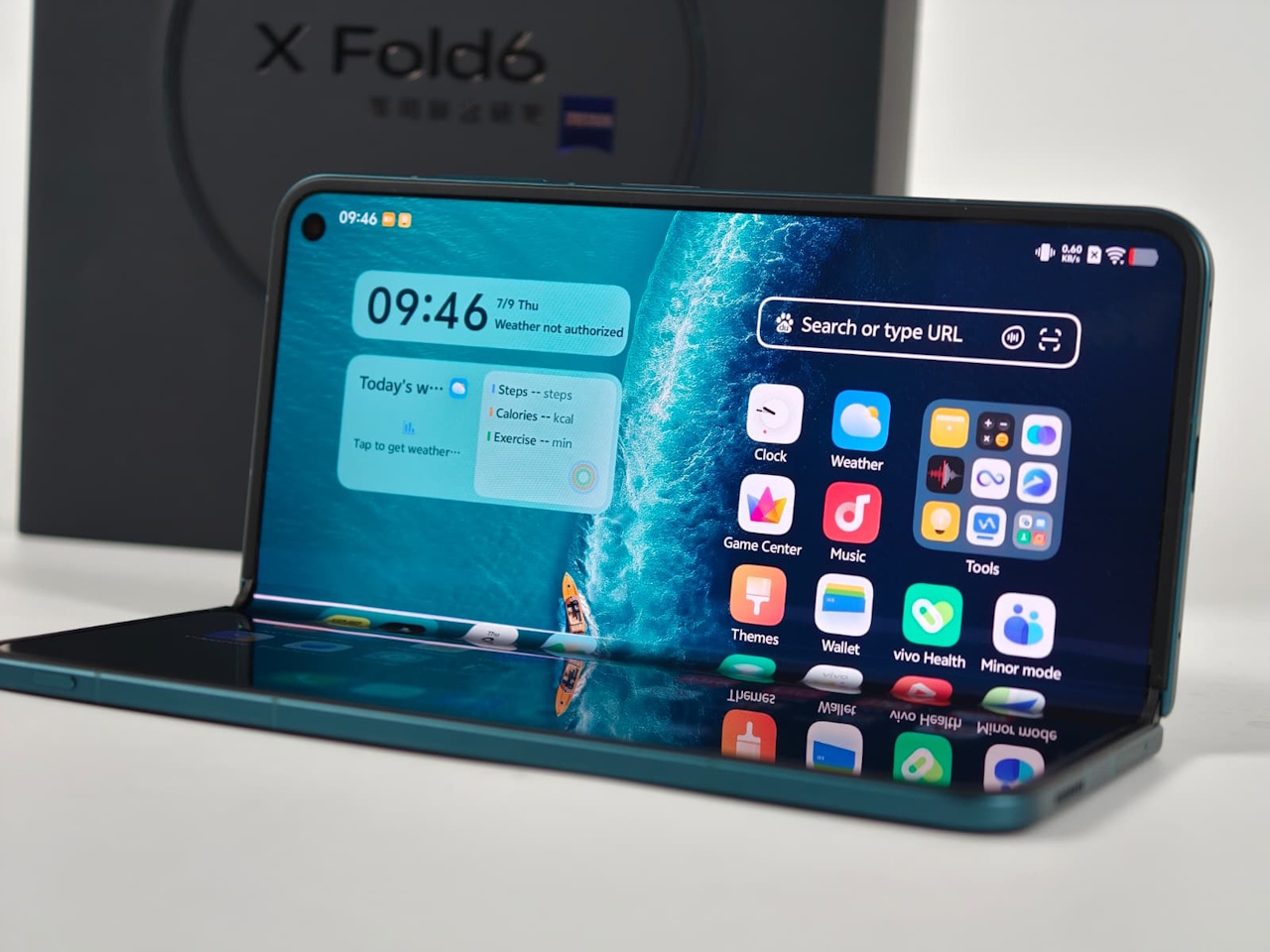
The hinge has been completely redesigned using materials derived from the aerospace industry. The mechanism not only guarantees a perfectly hermetic and crack-free closure, but offers the right resistance during opening. You can tilt the screen in Flex (or “desk”) mode to any angle between 60 and 130 degrees, without feeling any jerking or sagging. The crease on the internal panel is there, but it is practically invisible to the eye when the screen is on and you can barely perceive it when you pass your fingertip.
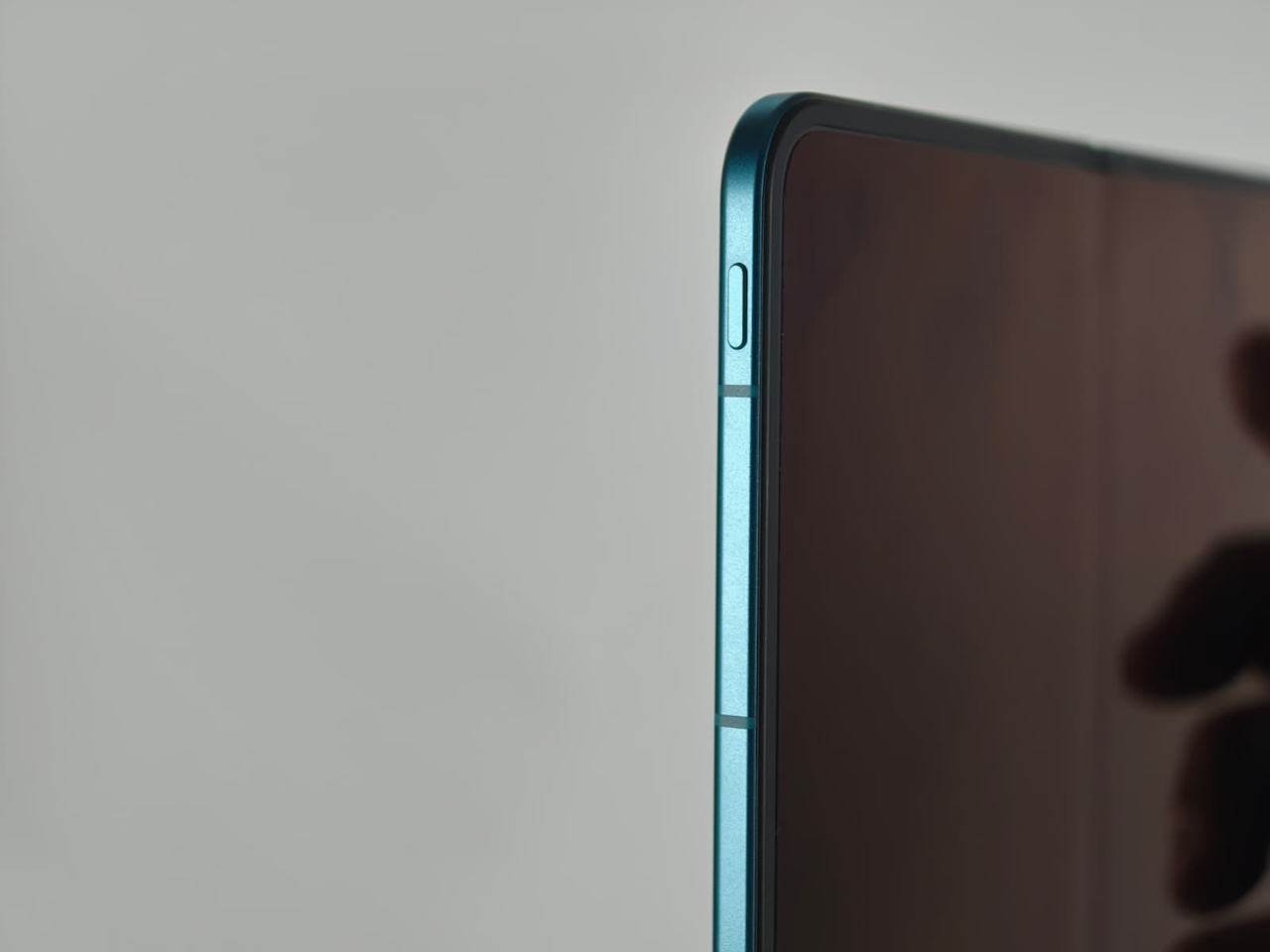
The side frame is made of high-strength aeronautical aluminum, with a matte finish that retains very little fingerprints. At the rear, the large circular photographic module is protected by a knurled ring that recalls the design of professional photographic lenses, making the device’s vocation clear. Note for durability: vivo X Fold6 boasts double certification IP58 and IP59.
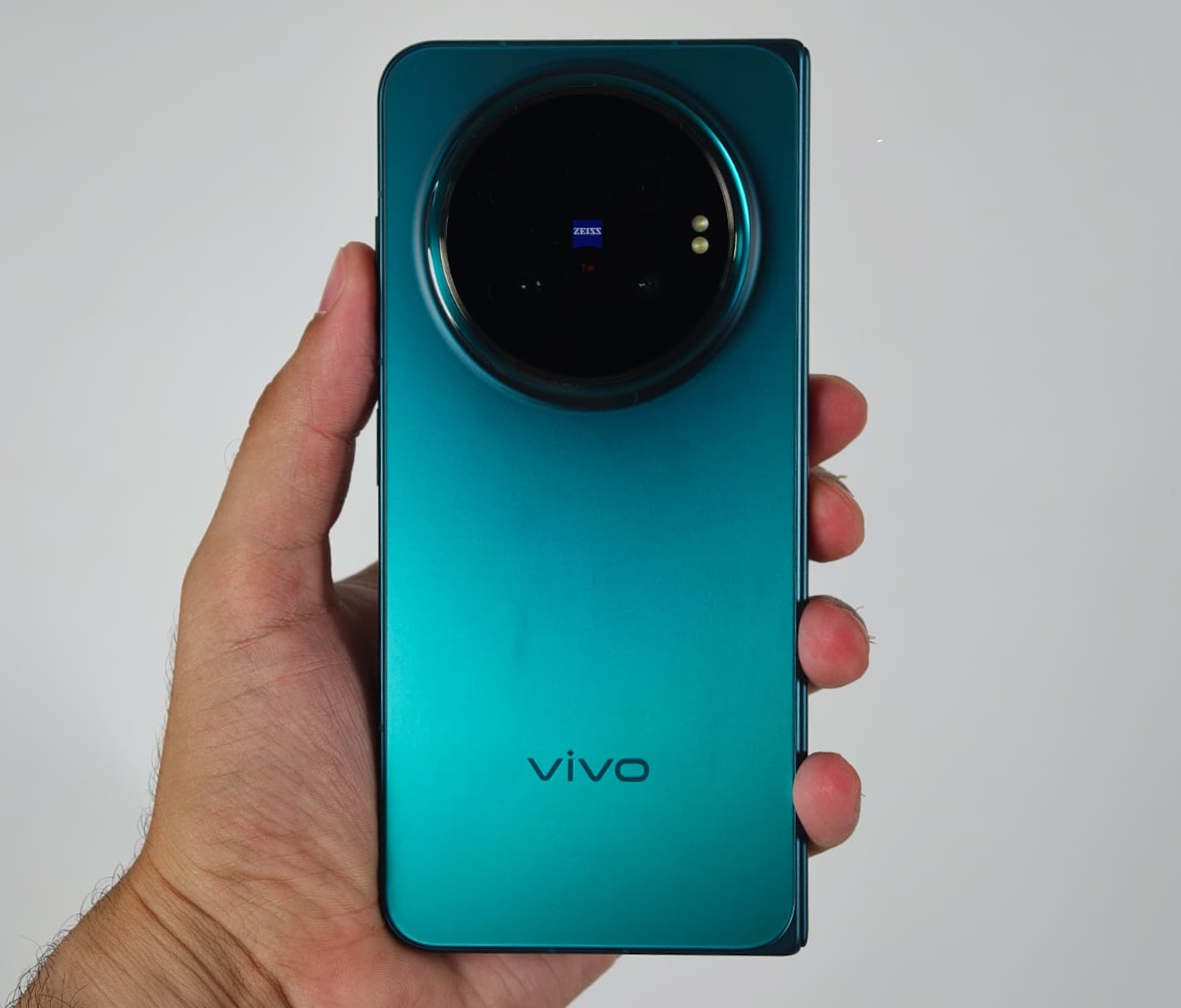
This means that the smartphone is not only protected against immersion in fresh water and dust ingress, but is even able to withstand high-pressure water jets and high temperatures. This is one of the best certifications for foldables, just behind the HONOR Magic V6 which is even IP68/IP69.
Display: internal and external
We are faced with a display sector that does not accept compromises, thanks to the adoption of brand new luminescent materials Samsung M14 on both panels.
The external screen it is a LTPO AMOLED unit from 6.51 inches with an aspect ratio of 20:9 and a resolution of 1120 x 2528 pixels.
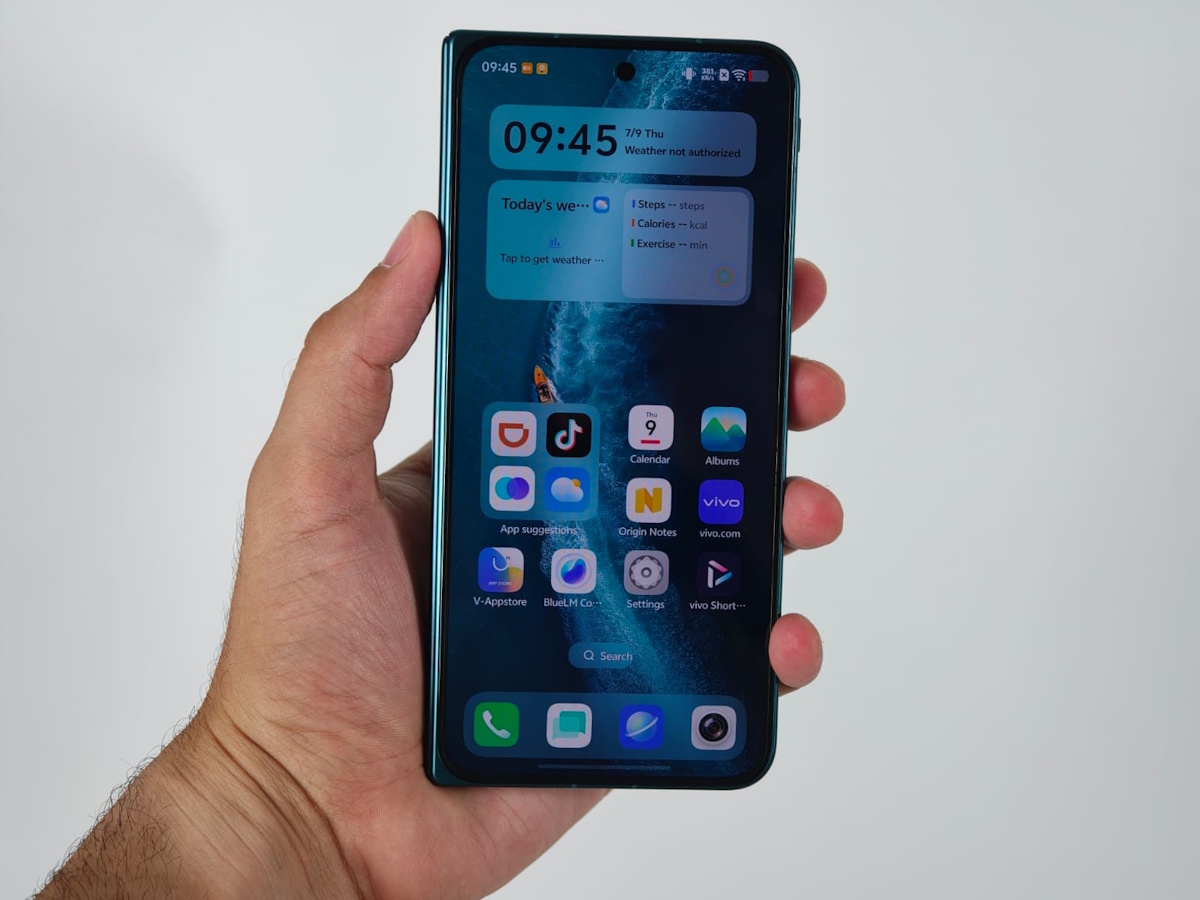
This geometric choice is fundamental, given that unlike other foldables that offer long and narrow external screens, when closed the X Fold6 can be held and used exactly like a traditional smartphone. The keyboard is not sacrificed, one-handed typing occurs naturally and the variable refresh rate of up to 120Hz guarantees impeccable fluidity.
By opening the device you access the real protagonist, we are talking about an immense folding display 8.02 inches LTPO AMOLED with a resolution of 2312 x 2504 pixels and an almost square aspect ratio (4:3.7). The visual quality is simply amazing. The colors are vibrant, the blacks are absolute and the support for HDR10+, HDR Vivid and Dolby Vision standards transforms the viewing of multimedia content into a portable cinema experience.
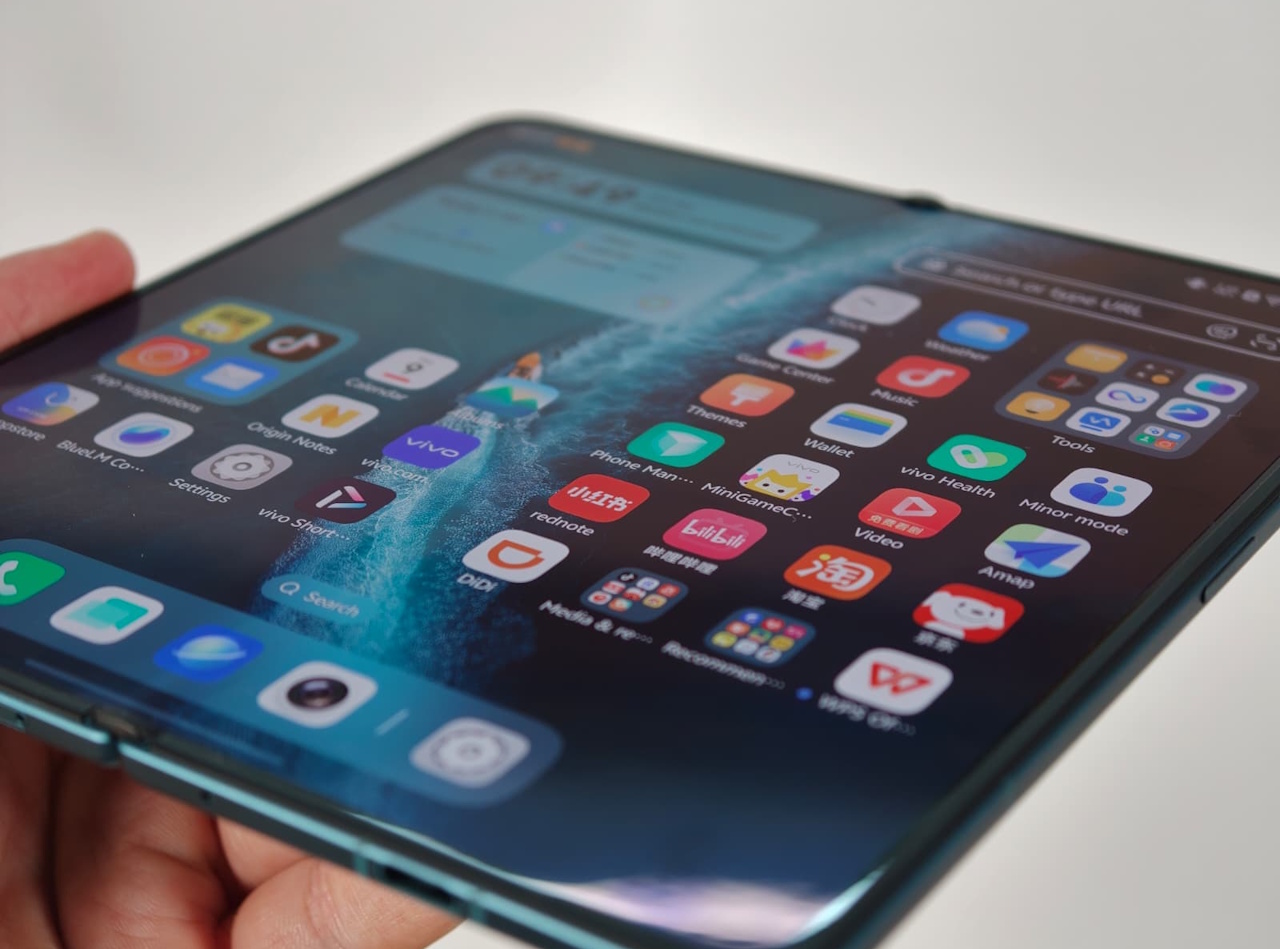
Both panels reach a value of local peak brightness of 5,000 nits. Under direct summer sunlight, readability is total: reflections are effectively eliminated and we never had to touch the screen with our hand to read an email or view a photo preview. On the other hand, for use at night or in completely dark environments, vivo has implemented a 1 nit very low brightness mode combined with certification TÜV Rheinland Global Eye Protection 3.0with a very high frequency PWM dimming that eliminates visual fatigue even after hours of reading.
Hardware and software
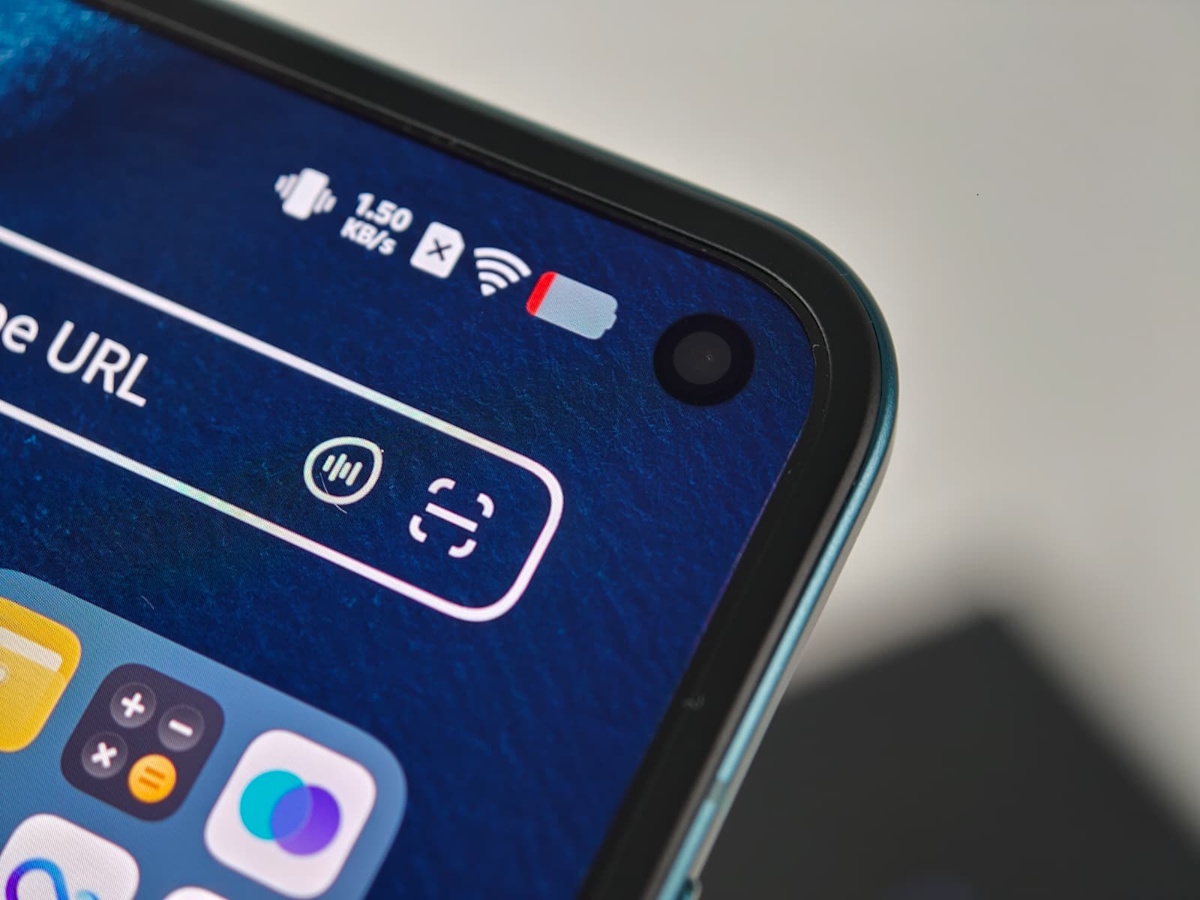
Under the body of the vivo X Fold6 we find the processor MediaTek Dimensity 9500 Super Editiona 3-nanometer chipset developed in close collaboration between the two brands over two years. The objective was not only to excel in the benchmarks (where the SoC obtains astonishing scores thanks to the C1-Ultra main core clocked at 4.21 GHz), but to create a platform optimized for the logic of use of an ultra-premium foldable. Our configuration under test provides 16GB LPDDR5X Ultra RAM And 512 GB of UFS 4.1 internal storage not expandable.
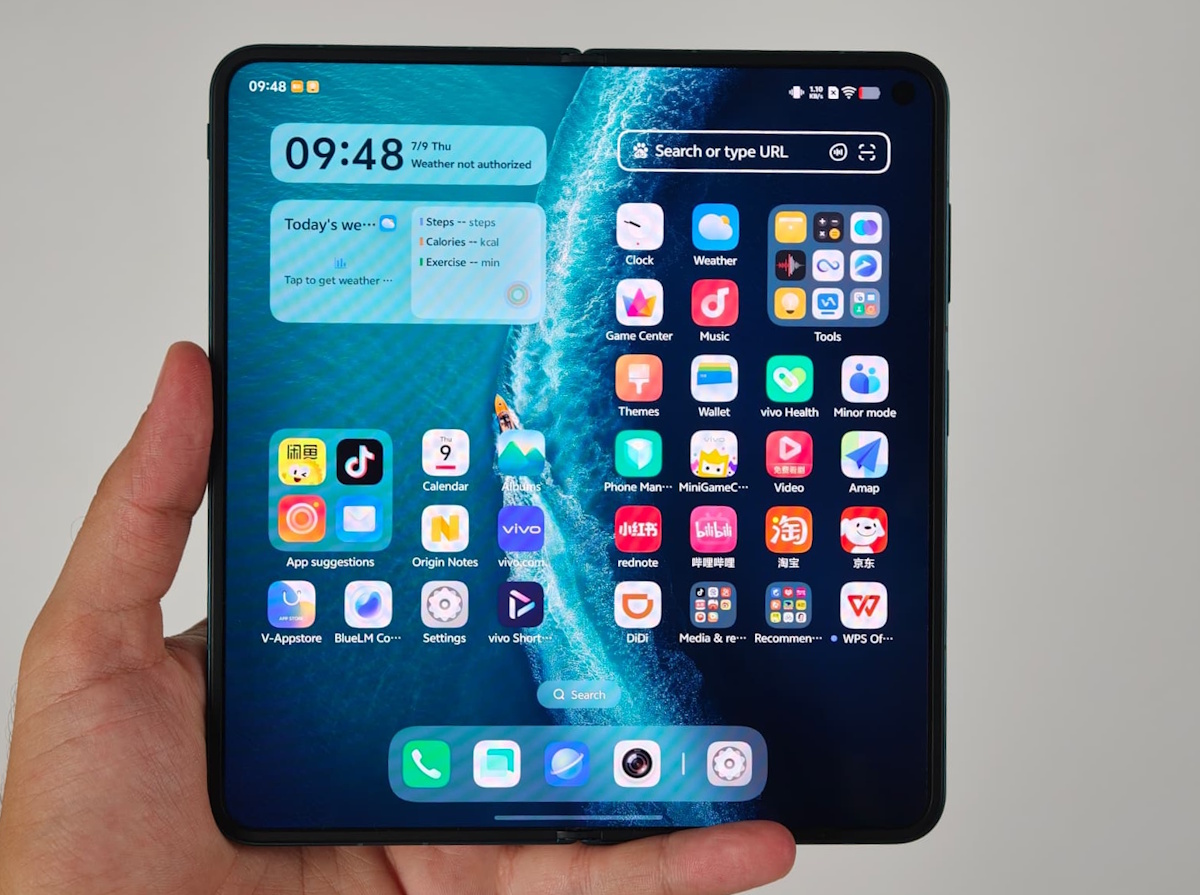
The operating system is based on Android 16 with the customized interface OriginOS 6 Fold. It is an extremely responsive UI, full of fluid animations and with a massive focus on artificial intelligence and productivity.
When the smartphone is closed, the user experience is practically the same as that of a standard smartphone. The Dimensity 9500 Super handles day-to-day operations without any problem and without heating. Thanks to the width of the external display, you never feel the need to open the phone to quickly reply to a WhatsApp message or check a notification. The fingerprint sensor, integrated laterally into the power button, is lightning fast and precise in all circumstances.
Opening the phone switches applications from the external panel to the internal one instant and free of graphical uncertainties. vivo has redesigned the OriginOS 6 Fold framework to push multitasking to the max through the feature Parallel Mode.
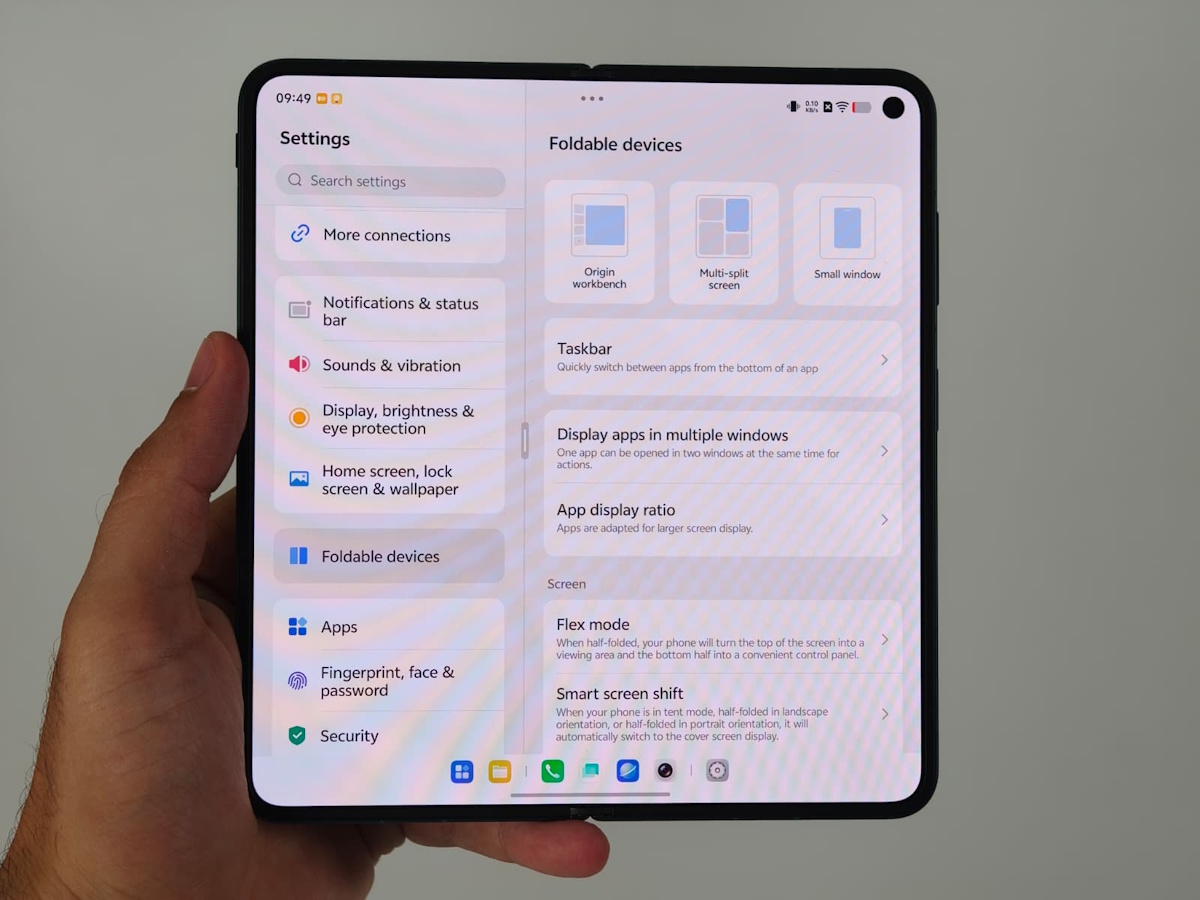
On the large 8.02 inch screen we could run up to four applications simultaneouslypositioned in side-by-side windows, with the fundamental peculiarity that they all remain active in the foreground without being paused by the system. During our workdays we were able to keep several apps open at the same time without the slightest hint of lag or reloading. Being the Chinese version, as a language Italian is not present and Google services are not present. This is also why we decided to wait for the European version to delve deeper into the software part.
Cameras: ZEISS experience at the highest level
But if there is a sector that we can talk to you about without problems regarding market versions, it is precisely the photographic one. If historically foldables have always suffered from a performance gap on the photographic front compared to traditional flagships, vivo X Fold6 bridges this gap in a disruptive wayinheriting the technologies of the brand’s successful X-Ultra series.
The triple rear camera setup is driven by the optical expertise of ZEISS and supported by the proprietary imaging chip vivo BlueImage V3+.
-
Main sensor: 200 MP, 1/1.4″ Samsung HPB sensor, f/1.7 aperture, PDAF autofocus and optical stabilization (OIS) with CIPA level 4.5 certification.
-
Ultra-wide-angle sensor: 50 MP, f/2.1 aperture, 16mm equivalent focal length, 119° field of view and autofocus for macro shots.
-
Periscope telephoto lens: 50 MP, 1/1.95″ Sony LYT-602 sensor, f/2.6 aperture, 3x optical zoom, OIS and ZEISS APO certification.
Daytime shots taken with the main camera from 200 megapixels they are simply exceptional. The level of detail captured is very high, the dynamic range is extended and the colors benefit from the “ZEISS Natural Color” profile, which returns shades faithful to reality without excess saturation. In the evening, the large size of the sensor and the night shooting algorithm allow you to bring home clean images, free of digital noise and with excellent artificial light management.



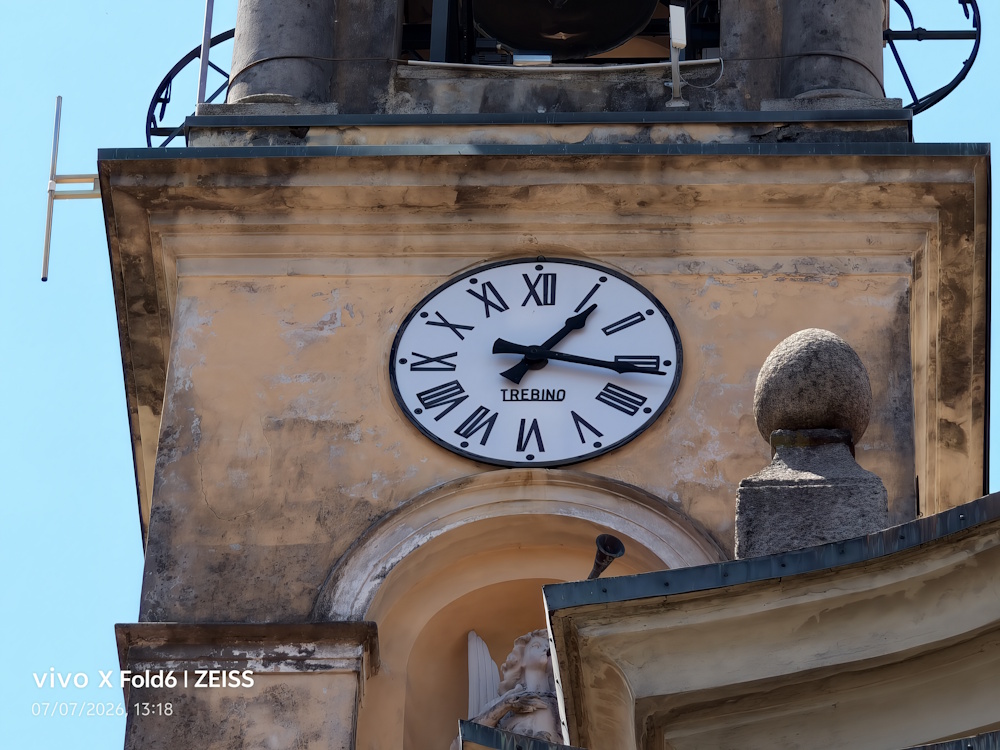


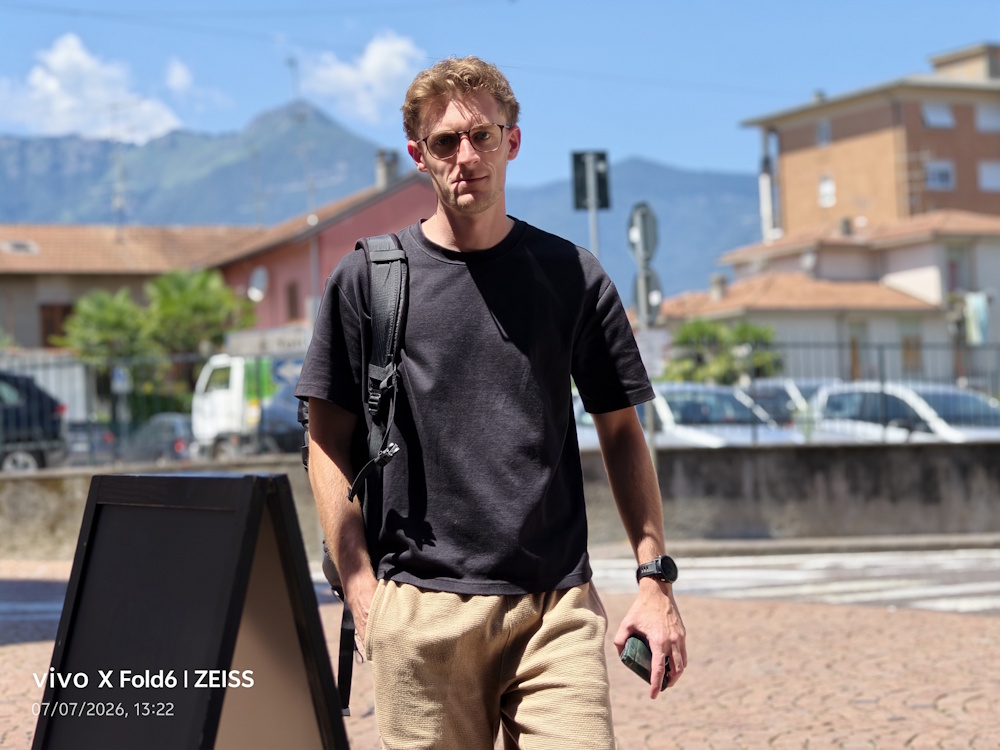

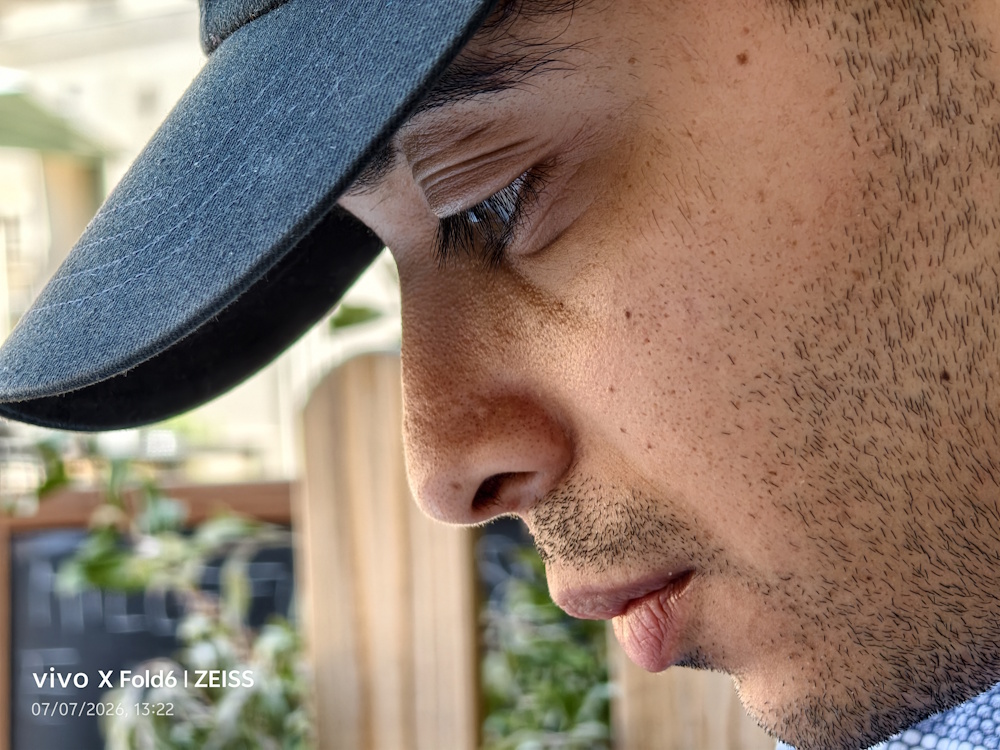

The periscope telephoto lens with magnification 3x optical and APO lenses reduce chromatic aberrations to zero. Photos are sharp and contrasted not only at 3x, but also using the 10x or 20x digital zoom. For the more demanding, the smartphone supports the optional accessory ZEISS Teleconverter G2a physical teleconverter that allows you to reach an equivalent length of 200mm with minimal quality loss.
The videos are also excellent, which can be recorded up to resolution 8K at 30fps or 4K at 60fps with cinematic stabilization masterfully managed by the V3+ chip.
Autonomy and charging
Until now, the average battery capacity on folding books has fluctuated between 4,500 and 5,000 mAh. The change of direction has arrived with the new HONOR V 6 which exceeds 6600 mAh with a 4mm body. But vivo also managed to cram one inside the very thin body of the X Fold6 7,000 mAh silicon-carbon battery. Silicon-carbon cells guarantee a decidedly higher energy density than traditional lithium ion solutions, occupying less space with the same capacity. We then need to see if the amperages will be changed in the European version.
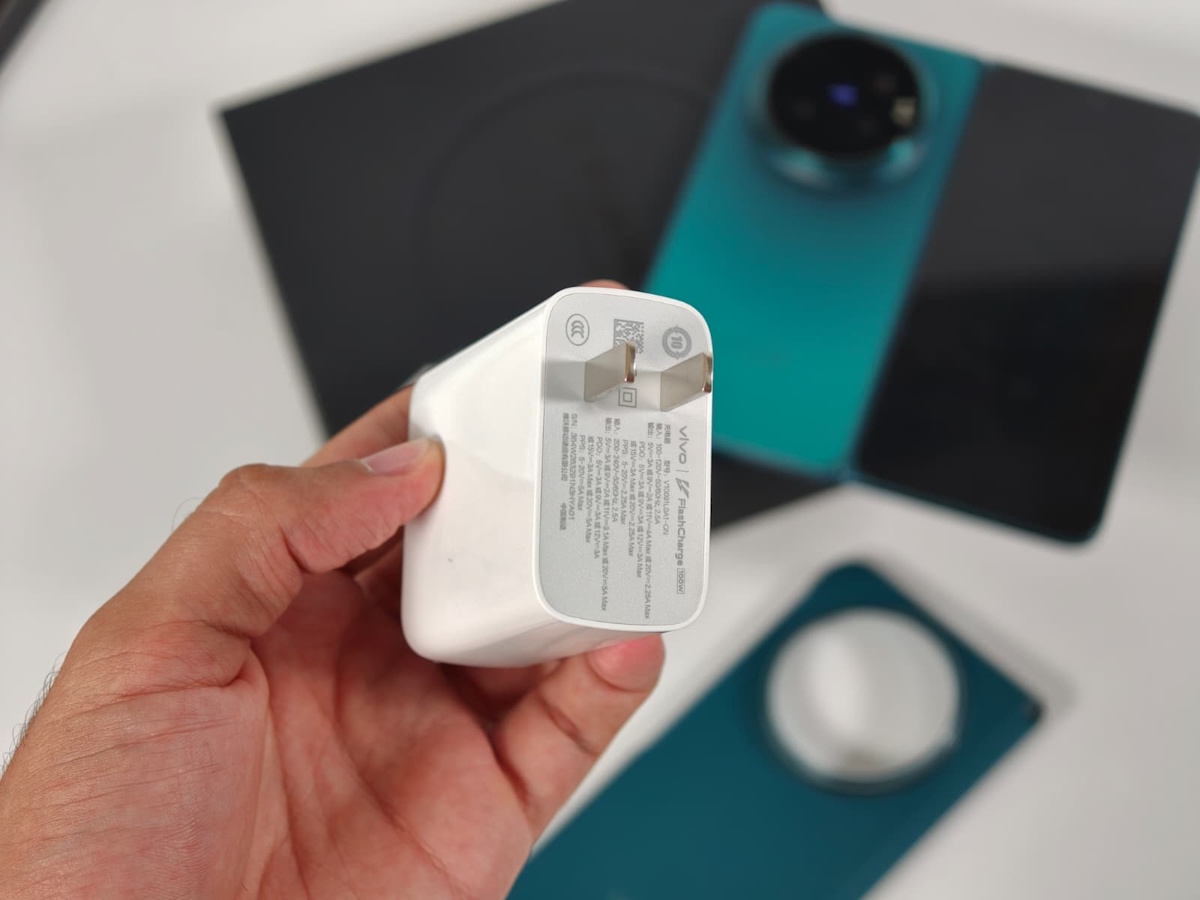
During our days of intense testing – characterized by hours of use of the internal screen in multitasking under the 5G network, multiple photographic shots, synchronization of three email accounts and web browsing sessions – we arrived at evening with still 30%. With medium-intense use they are achieved almost two full days of use moderate without having to use the power socket.
When the battery runs out, the wired fast charging system 100W Flash Charge supplied but with a Chinese socket, it allowed us to restore 50% of energy in about 20 minutes, completing the cycle from 0 to 100% in just under 50 minutes. There is no shortage of support 40W fast wireless chargingin addition to 5W reverse wireless charging, useful for restoring energy to TWS earphones or smartwatches by placing them on the back of the phone.
Prices and availability
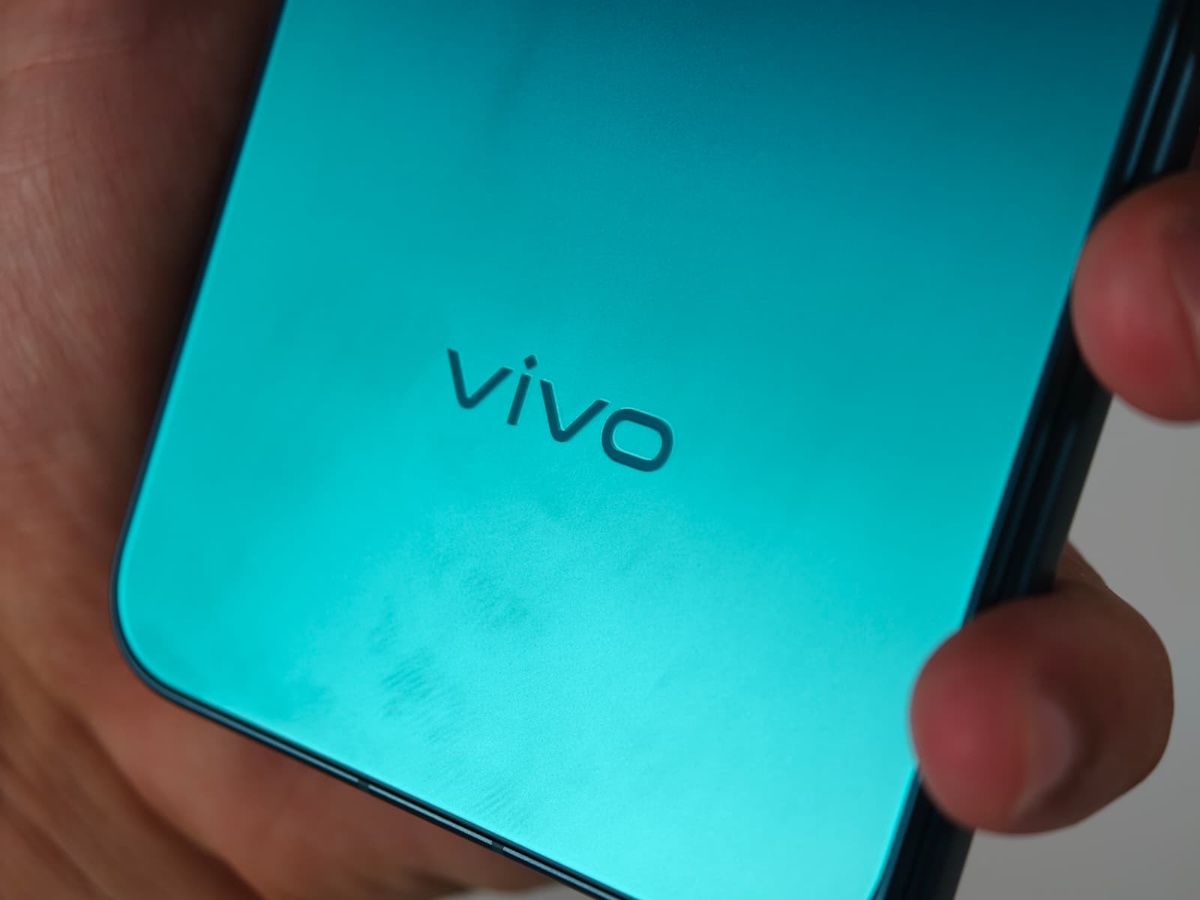
The official debut of vivo Azure (ours and which we adored), White And Grey.
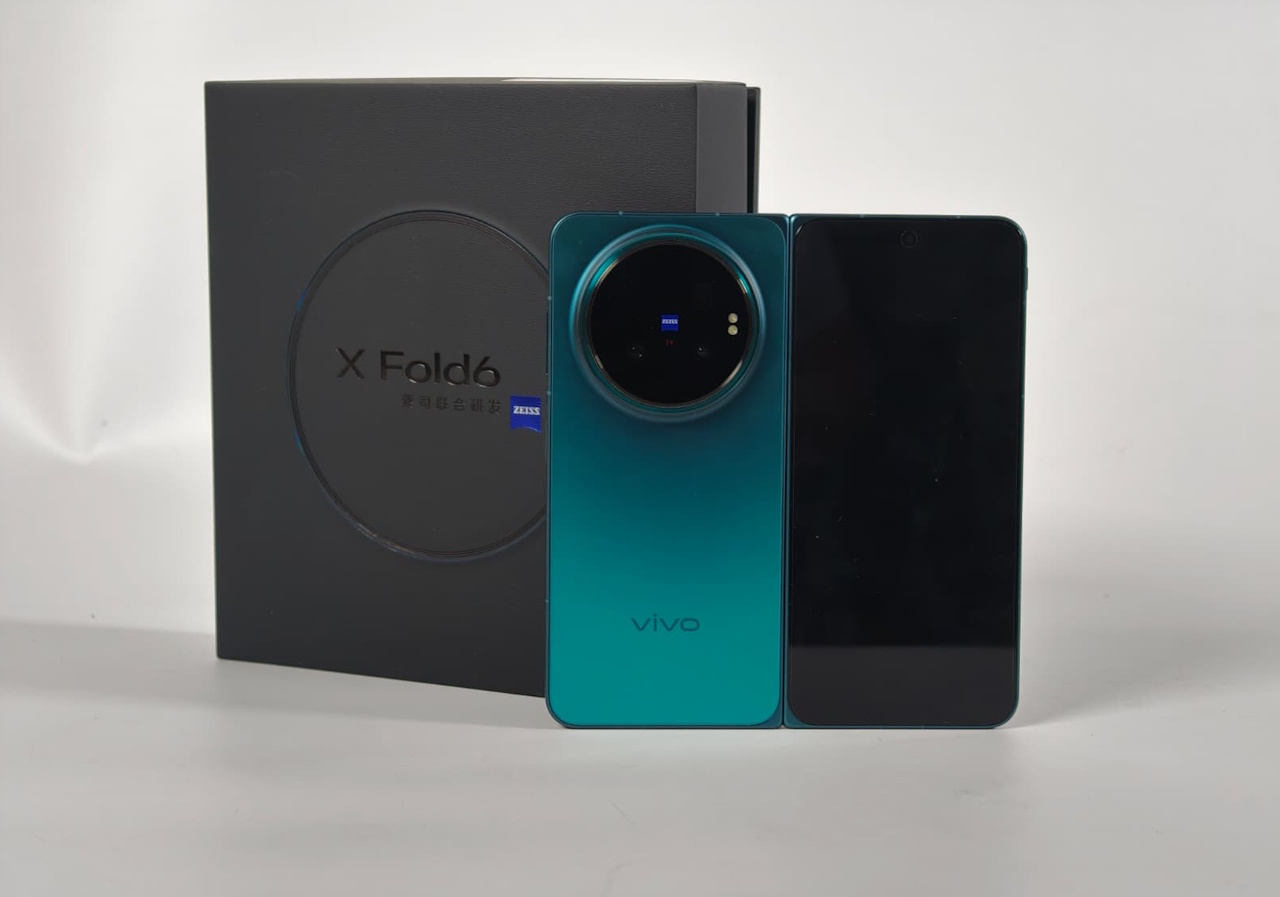
The official price list on the vivo Cina website at the exchange rate in Euro is around between 1000 and 1500 eurosbut obviously we advise you to wait for the version with our ROM.
Inside the sales package, in addition to the smartphone, the 100W fast charger, the USB-C cable and a protective cover with a coordinated finish are included. We just have to wait for the version that will arrive in our country with the consequent prices to take stock.