
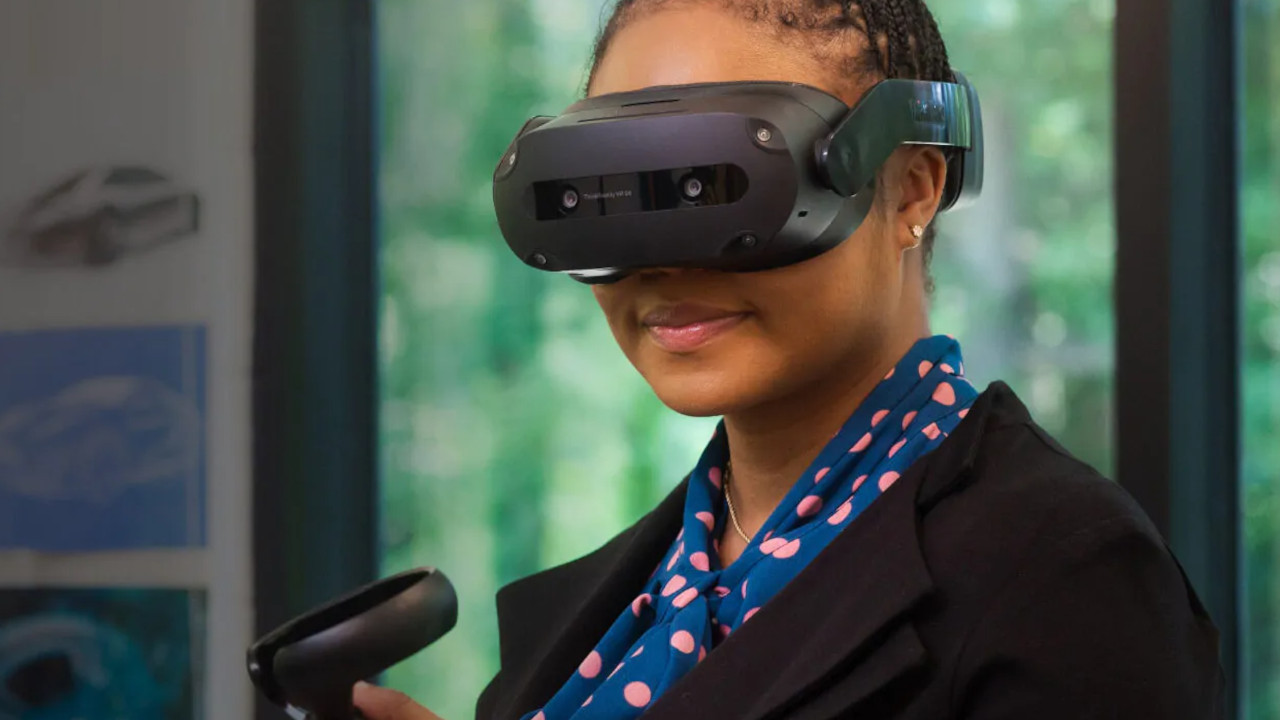
As reported by the Skarredghost blog, managed by industry developer Antony Vitillo, Lenovo he started a restructuring of staff related to its XR business unit in the United States. A portion of the employees involved were reallocated within other company divisions, while the remaining portion was fired, marking a clear change of strategic direction for the Asian giant.
The decision marks an unexpected turning point if we consider the leading role assumed by Lenovo in recent years in the B2B panorama. The company stood out for the introduction of enterprise viewers from the ThinkReality linefor the profitable partnership with Qualcomm within the Snapdragon Spaces development platform and for the support of Meta’s HorizonOS ecosystem with headsets dedicated to productivity.
However, the lukewarm market response to Snapdragon Spaces solutions and the next cancellation of plans for HorizonOS-based headset have generated a large volume of investments without the expected economic return. This scenario, combined with a general decline in industry interest in traditional headsetspushed management to radically review strategic priorities.
An official Lenovo spokesperson confirmed the evolution of company priorities with a note sent to the press: “As the XR market evolves, we see stronger growth momentum and greater consumer adoption in AI-enabled wearables. As a result, Lenovo is transitioning from a business-focused XR strategy under the ThinkReality brand to a strong consumer-focused approach led by Motorola. The goal is to create a more centralized organization, focused on strengthening the ecosystem of native and integrated AI wearables. This advancement will support our strategy to deliver a unified personal AI experience across multiple devices, from PCs and tablets to smartphones and wearables, making AI more accessible, scalable and personalized as part of our Smarter AI for All vision.”
The repositioning towards the consumer segment is reflected in a market shift towards lightweight smart glasses rather than closed viewers for virtual or mixed reality.
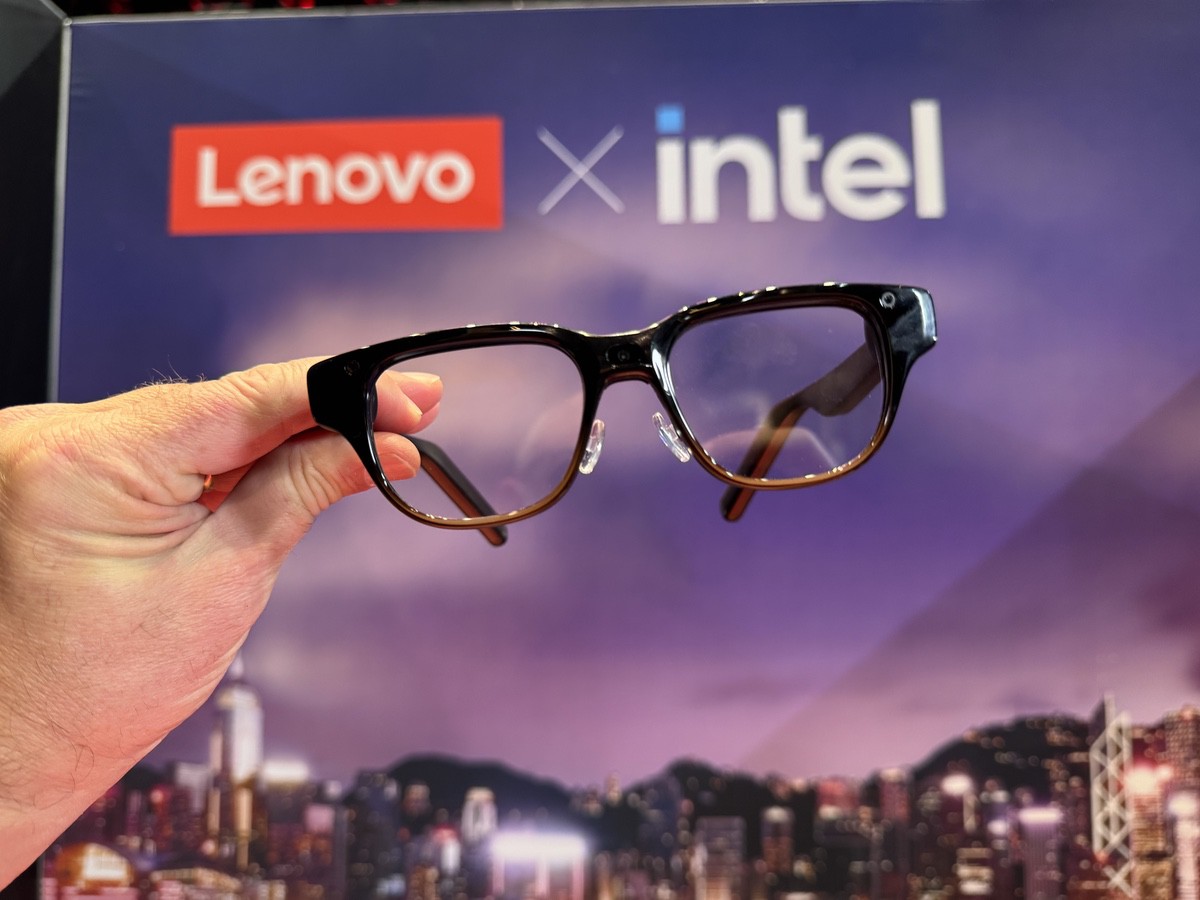
The first signs of this transition had already emerged during CES 2026, where the company showed the Lenovo AI Glasses Concept. The prototype, weighing approximately 45 grams and capable of guaranteeing up to 8 hours of working and multimedia autonomy, connects wirelessly to a smartphone or PC. Through the native Lenovo Qira assistant, the glasses offer advanced features such as simultaneous translation with sub-millisecond latency, visual object recognition, hands-free calling support, teleprompter functions and the “Catch Me Up” system for cross-device summary of pending notifications.
The downsizing of Lenovo’s presence in B2B confirms that the contraction phase of VR as it was born, with the first Oculus Rift viewers, it does not only concern the gaming or consumer entertainment sectorbut impacts the entire industrial ecosystem of immersive reality. The attention and financial resources of large technology groups are progressively shifting towards smart glasses assisted by artificial intelligence, solutions today considered more sustainable from a commercial point of view and with greater prospects for large-scale adoption.