
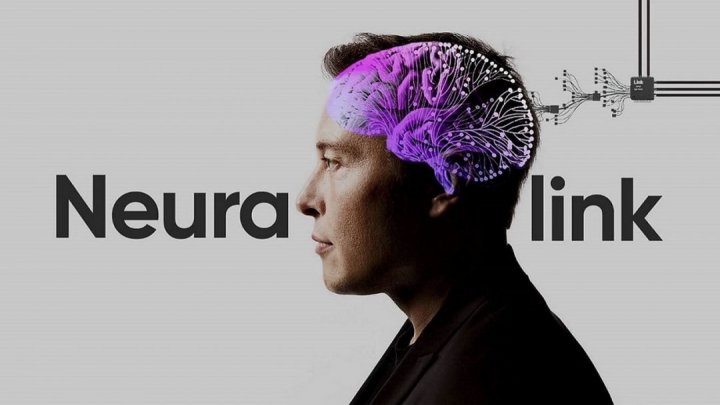
Neuralink presented new developments related to its research program on brain-computer interfaces (BCI), showing a demonstration in which some participants are able to control an electric wheelchair using only your brain activity. The results are part of the PRIME clinical trial, dedicated to the development of technologies capable of restoring greater autonomy to people suffering from paralysis.
In the video released by the company it is possible to see how the system allows you to drive the wheelchair without using hands, joysticks or other traditional control devices. Operation does not consist of reading thoughts in the common sense of the term, but in the interpretation of the signals generated by the brain when a person plans a movement, even if the body is no longer able to execute it.
The technology is based on N1 chipa plant of approximately 23mm in diameter located in the motor cortex. The device integrates 1,024 electrodes distributed on extremely thin filamentsfiner than a human hair, which record the electrical activity produced by neurons in real time.
Neuralink and wheelchair movement: how does it work?
The collected data is subsequently processed by a machine learning algorithmwhich transforms neural signals into the movement of a cursor on the screen. This cursor is then converted into the commands necessary to control the electric wheelchair.
Thanks to this system, the user can perform various operationsincluding driving forward, reversing, steering and adjusting the position of the seat and backrest. When the participant breaks concentration, the cursor automatically returns to the central position and the wheelchair progressively reduces speed until it stops.
Although the results shown are particularly promising, Neuralink underlines that the project is still in the works clinical trial phase. In fact, the device has not obtained approval from the Food and Drug Administration (FDA) of the United States and further studies will be necessary to evaluate its safety and effectiveness before a possible large-scale use.