
Xiaomi has officially revealed HyperOS 4the new version of its software customization which continues the path of detachment from the rigid timing of Android releases. The Chinese brand has concentrated its efforts on an incisive graphic restyling and on a series of architectural interventions aimed at increasing the operating performance of the system, introducing predictive algorithms for the management of random access memory.
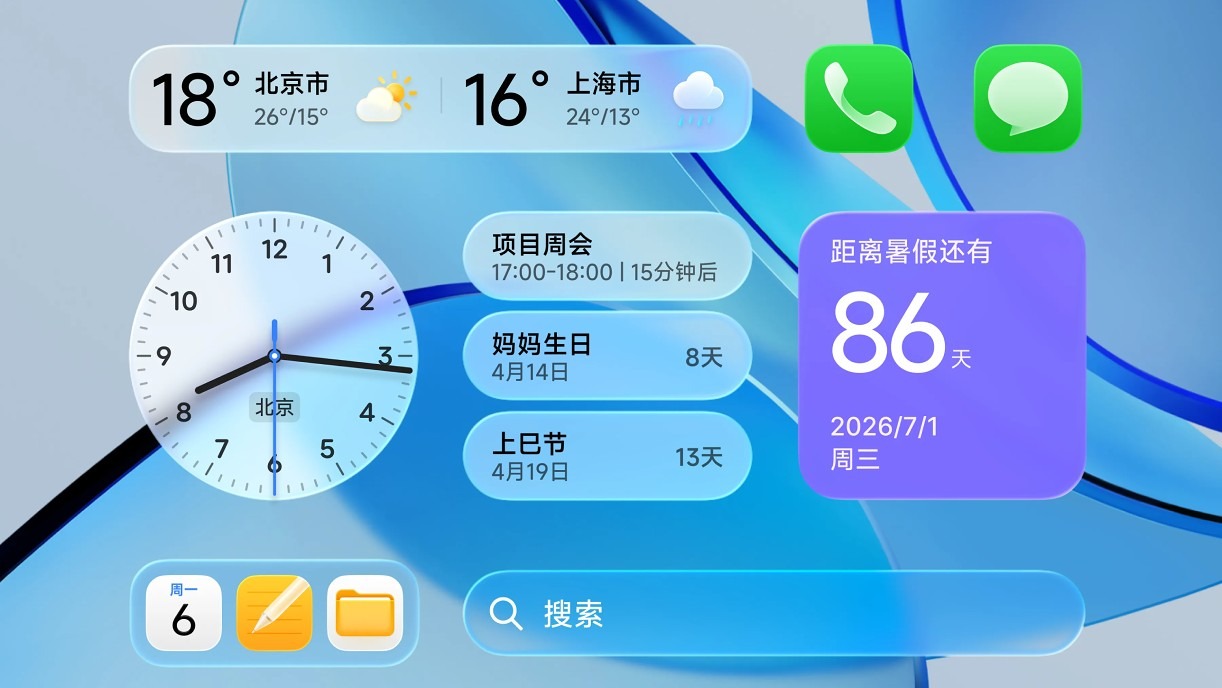
The most obvious stylistic innovation lies in the adoption of a visual language focused on transparency effects, with a graphics engine calibrated to simulate the refraction of light in real time. HyperOS 4 Extends your unlock screen customization options, allowing you to freely rearrange clock and notifications, resize folders, and group widgets on the home screen. Floating window management adapts rotation smoothly when switching between portrait and landscape modes.
From a performance point of view, the internal tests conducted by the company show that after nine hours of continuous use, the loading of applications is approximately 17.5% compared to its predecessor.
This increase is due to the integration of artificial intelligence modules that estimate the necessary resources in advance by preloading them into RAM. Measurable results are also recorded on the multimedia front, where the processing of shots in format HDR comes down from 310ms to 240mswhile the cold start of the camera interface gains a time cut equal to 200ms along with video playback free of dropped frames.
AI integration and testing program
Support for advanced features comes from Super AI Assistant 2.0powered by the proprietary language model Mime. The facility handles voice transcriptions, note organization, photo gallery searching, trip planning, and control of home automation or connected vehicles.
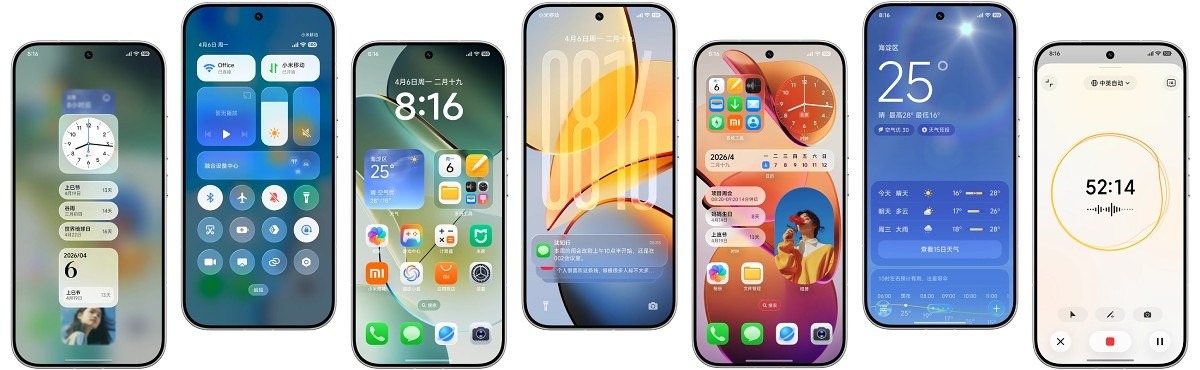
When processing more complex requests, the system takes advantage of the Xiaomi Super Island pop-up interface around the camera hole to show the progress before returning the response in full screen.
Among the new functions appears Inspiration Balla contextual pointing tool designed to drag and drop items like addresses or product images and instantly launch street navigation or web shopping searches. However, the actual presence of this component in the international versions remains to be confirmed.
The program of public beta takes off today, August 14th, on the Chinese market, divided into three brackets distributed respectively at mid AugustThe August 27 and the September 17th.