
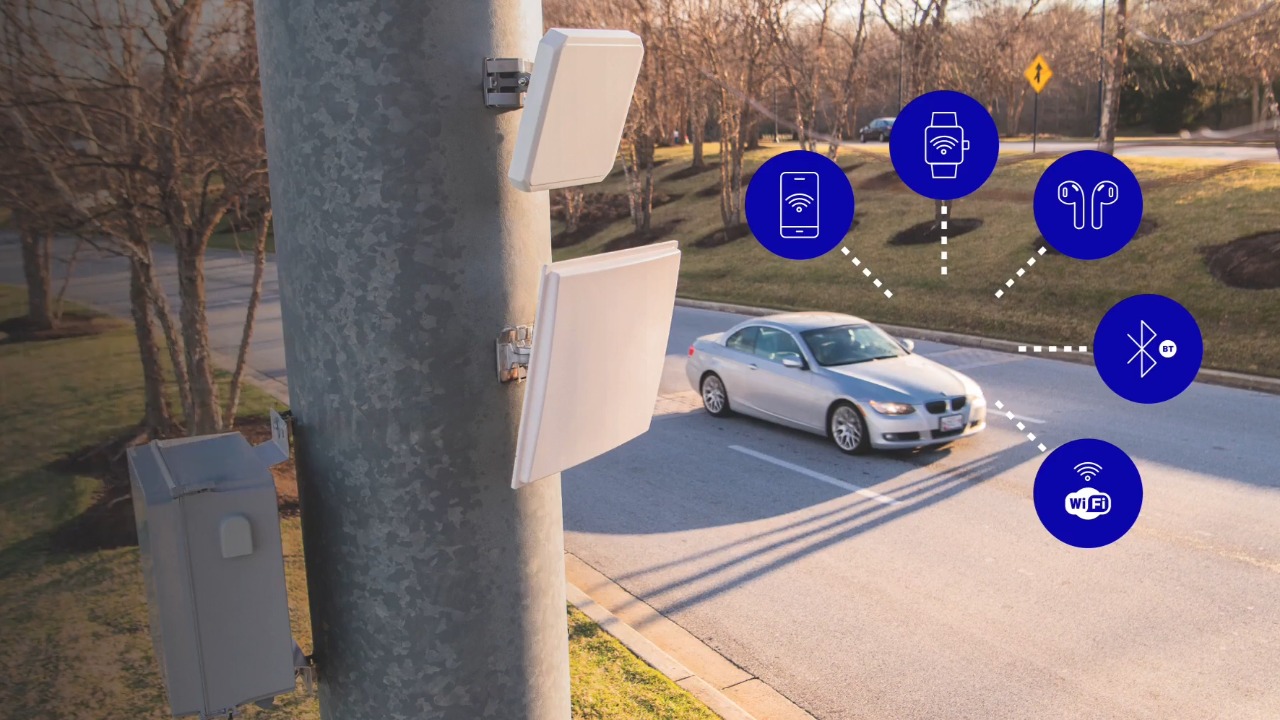
An automatic license plate reader photographs the car and traces it back to the owner via vehicle records. Next to the camera, however, a second sensor intercepts the radio signals emitted by the devices traveling on board: the driver’s smartphone, the passenger’s smartwatch, the wireless earphones placed on the seat. It is the principle on which it is based SignalTracethe new system marketed by Leonardo US Cyber & Security Solutionsa US subsidiary of the Italian defense group, as an evolution of the previous platform known as EOC Plus.
Instead of reading the contents of communications, the software records which signals travel together, how regularly, and transforms them into what the company calls a electronic signature. Leonardo’s official material gives a direct example: only one vehicle, in a given passage, will present the exact combination of an iPhone, an Audi car radio, Bose headphones, a Garmin smartwatch and a key fob with tracker, in addition to the license plate that accompanies them.
There are four categories of interceptable devices: RFID tags (badges, asset tags, pet microchips), Bluetooth devices (phones, watches, fitness trackers, headphones), components of the vehicle itself (tire pressure sensors, infotainment systems, on-board hotspots), and Wi-Fi sources such as tablets and laptops.
From the car to the person, without going through the license plate: the SignalTrace system
The feature that could worry privacy-conscious users the most is the possibility, declared by the company in the official technical data sheet, to make SignalTrace work also without license plate readersin contexts such as train stations, shopping centers or events with large influxes of the public. In these scenarios the system does not start from a vehicle, but directly from the group of signals moving together: an electronic signature can be searched even when an investigator does not know any starting license plate.
Weeks after a first pass, the same combination of signals can reappear next to a different car, perhaps linked to an ongoing investigation. The single signal, by itself, does not contain a name. But its previous association with a known vehicle gives investigators an additional clue to trace who was transporting that device.
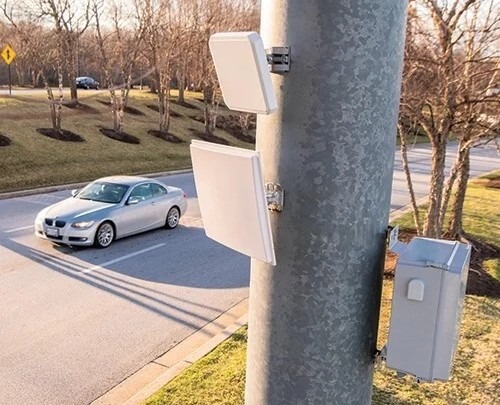
Leonardo, for its part, limits the scope of the system: SignalTrace “does not identify people” and “collects only electronic signatures” from signals already publicly transmitted by the devices. The output, specifies the same sheet, always works corroborated with traditional investigative methods before it can be used as evidence.
It is a deliberately narrow definition of identification: the system never pronounces a name, it simply correlates movement patterns. But it is precisely this paradigm shift that is worrying, because the police could begin to think in associations and recurrent movements before they even know who they are dealing with.
To date SignalTrace it remains a tested and marketed capability, not yet a consolidated practice in police departments. A report lists some devices installed in Oxon Hill, Maryland, while the predecessor technology appears in an official New York State price list. Numbers still limited, but enough to spark discussion on the boundary between public safety and mass tracking.