
About a year has passed since the debut of the first range of floor cleaning robots DJIthe series Romo. Made up of different models, this family of robots has definitely captured the attention of enthusiasts since its debut: after all, it was a novelty for a company well known for drones and compact video cameras to enter the world of home cleaning solutions.
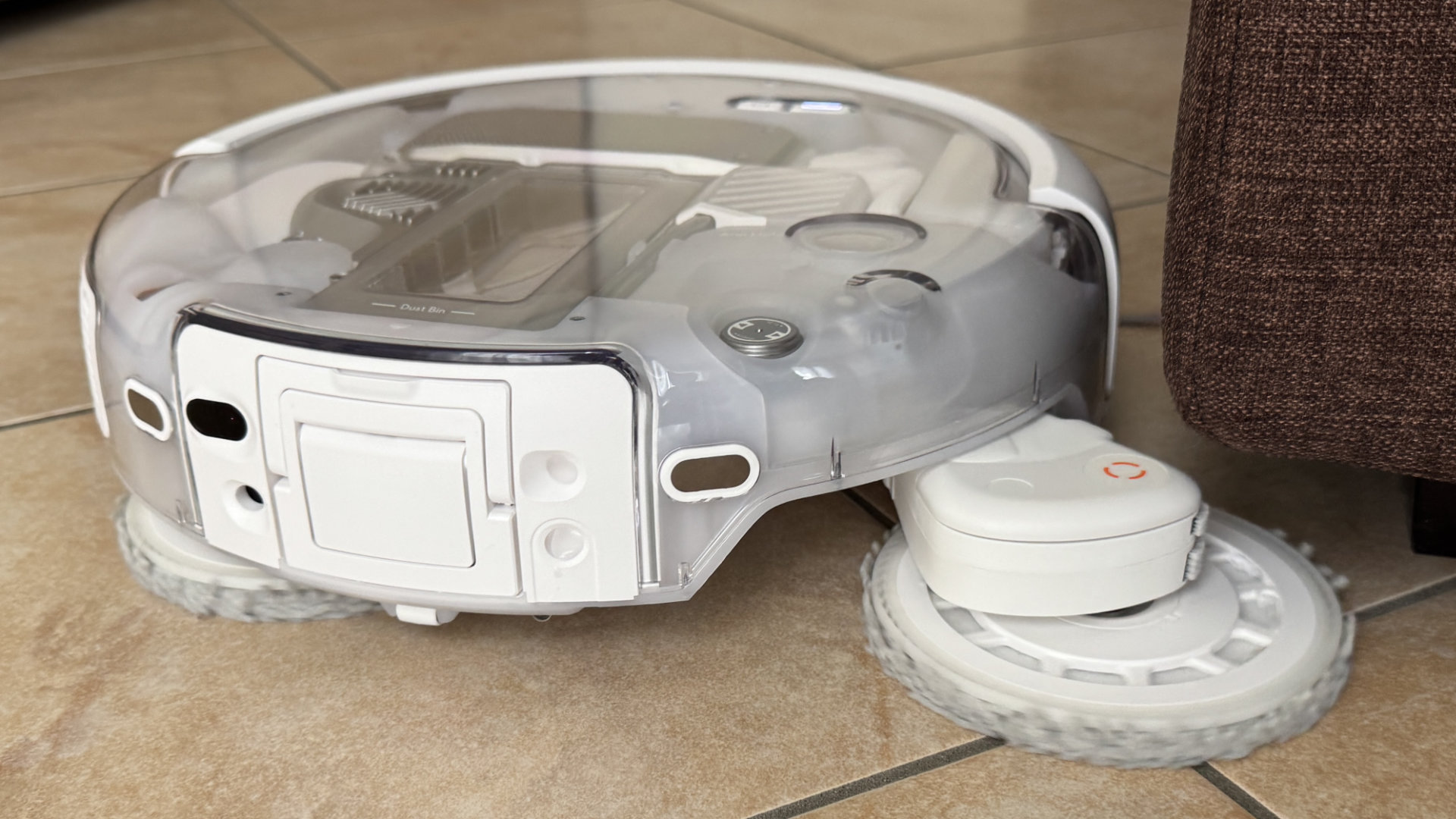
Today, in conjunction with the IFA in Berlin, DJI announces the second generation of Romo: in the models of the Romo 2 series, some peculiar characteristics of the first version remain, such as that of the completely transparent model with the internal mechanics in plain sight, innovating in the solutions for suction and washing and further increasing precision in navigating between the walls of the house.
The Romo 2 family consists of 3 models:
- DJI ROMO Combo Clean More – starting from €1,349
- DJI ROMO P2 (version with water tank) – from €1,299
- DJI ROMO A2 (version with water tank) – from €1,199
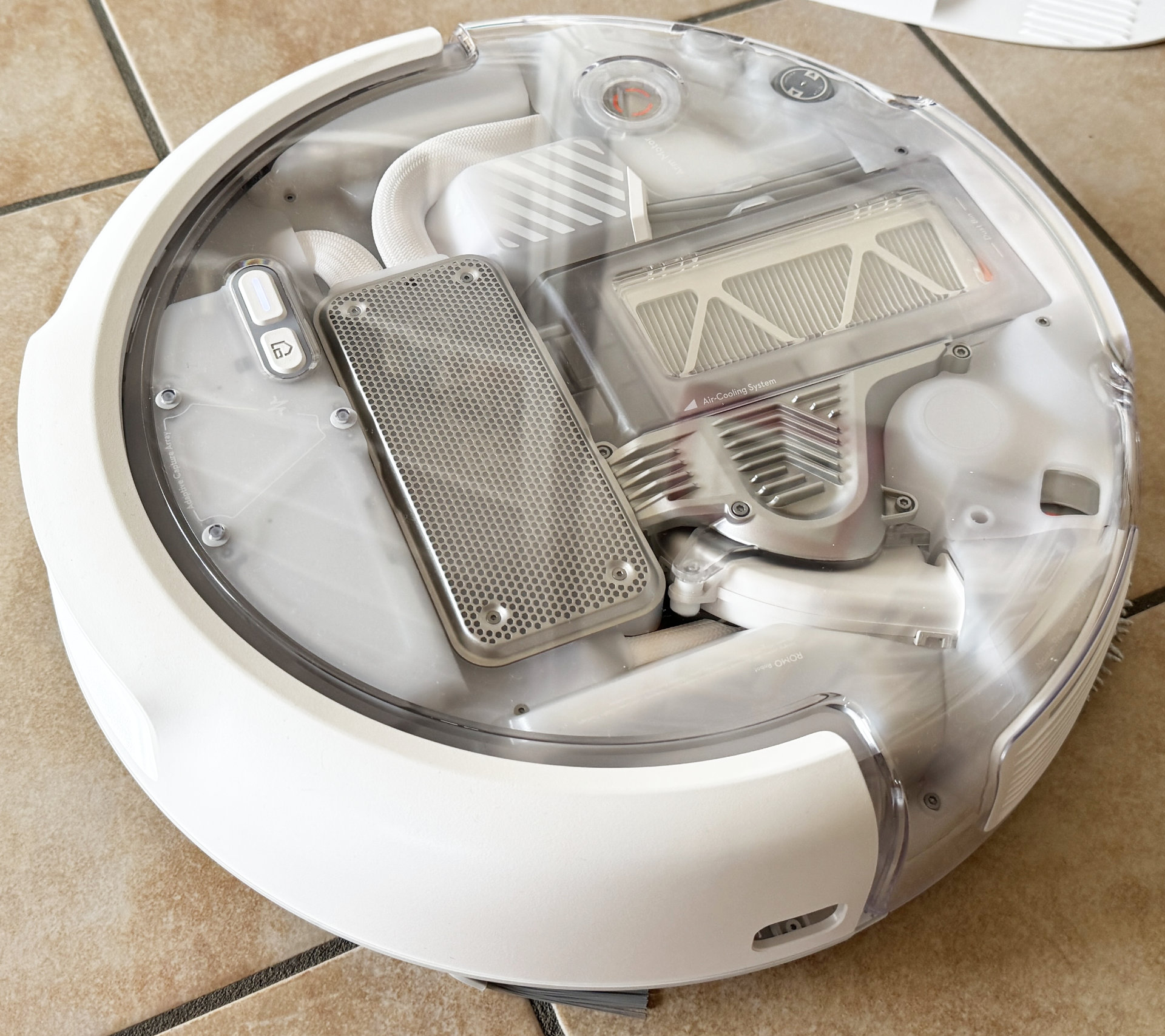
The P2 model features a transparent chassis with internal components visible; the A2 one instead has a traditional glossy white finish for those who prefer this type of design. Nothing changes in terms of technical characteristics between the two versions, with the only exception represented by the integration of UV light for disinfestation of the dust collection bag present only in the P2 version.
The many new features of the Romo 2 series
In Romo 2 we find the same basic characteristics of the Romo model, but DJI has intervened to implement numerous and important changes ranging from the navigation system to the dust extraction motor, up to the extendable mechanics of the external rotating cloth.
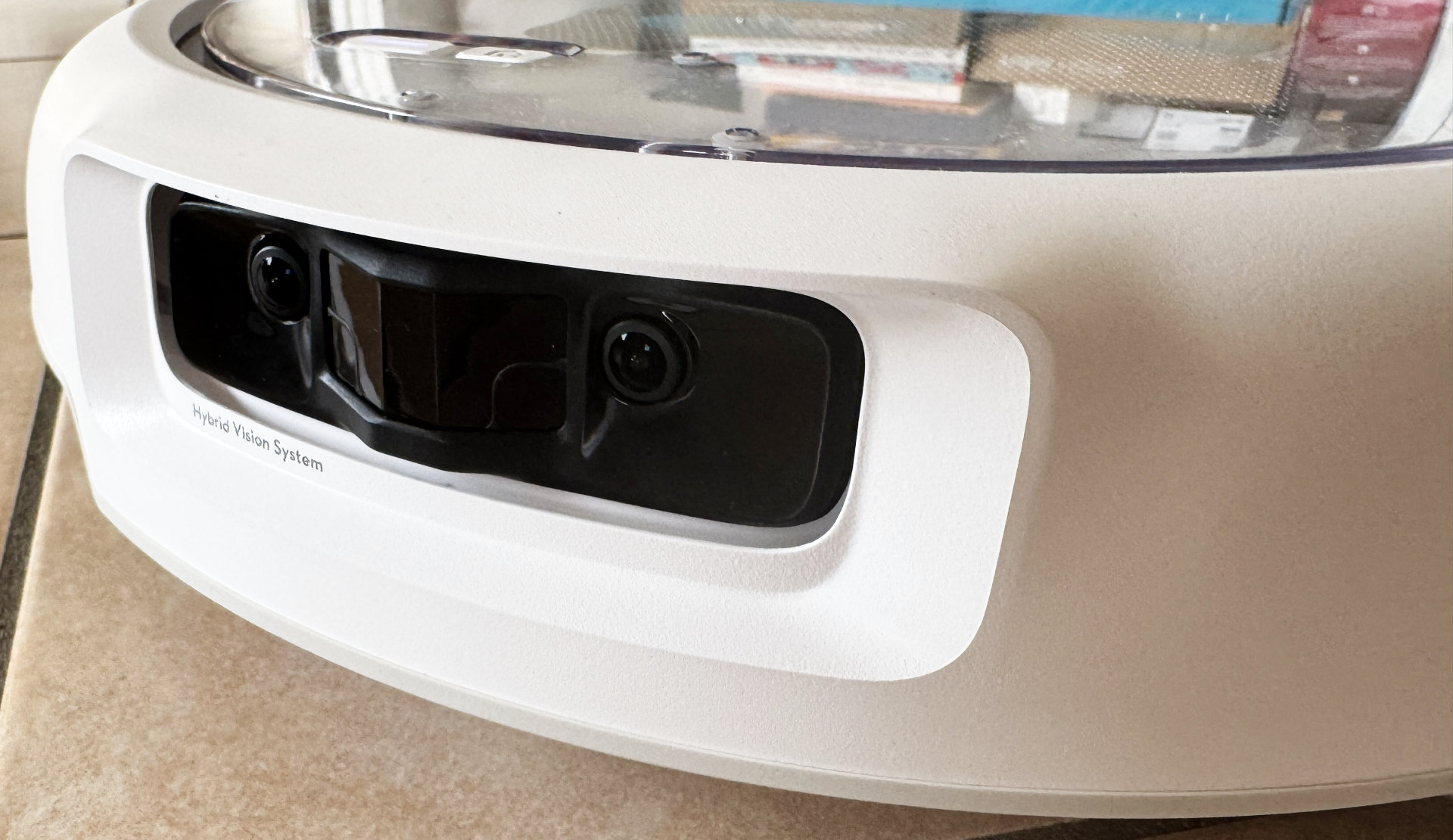
The navigation system derives its operating logic from the experience gained by DJI in the world of dronesproducts for which the precision of navigation and spatial positioning is fundamental. It’s based on a vision system that DJI refers to as Intelligent Obstacle Sensing 2.0in which there are 2 RGB cameras and a 3D ToF solution which is responsible for mapping the environment through a front, rear and two-sided view of what surrounds the robot. An LED light has been inserted in the lower front part of the robotwhich best illuminates the floor surface so as to help in recognizing any dirt and liquid present and allow the robot to enable the best cleaning management logic.
In this way the robot can detect obstacles on the floor up to 2mm thickavoid the possible presence of liquids and move easily even in poorly lit environments. Compared to the first generation of Romo robots, DJI has improved the artificial intelligence algorithm which manages navigation on the floor, through a system that tries to replicate human logic by adopting cleaning patterns in new environments and scenarios following a logic of analogy with previous navigation and obstacle avoidance experiences held previously.
The suction motor has been increased in maximum power, went from the previous 25,000Pa to the current 36,000Pa. The suction plate can move so as to better adhere to the surface, improving overall efficiency especially when dealing with carpets. If heavy dirt is detected on the carpets, the robot automatically reduces its movement speed, as well as limiting the rotation speed of the side brushes so that the debris is not dispersed.
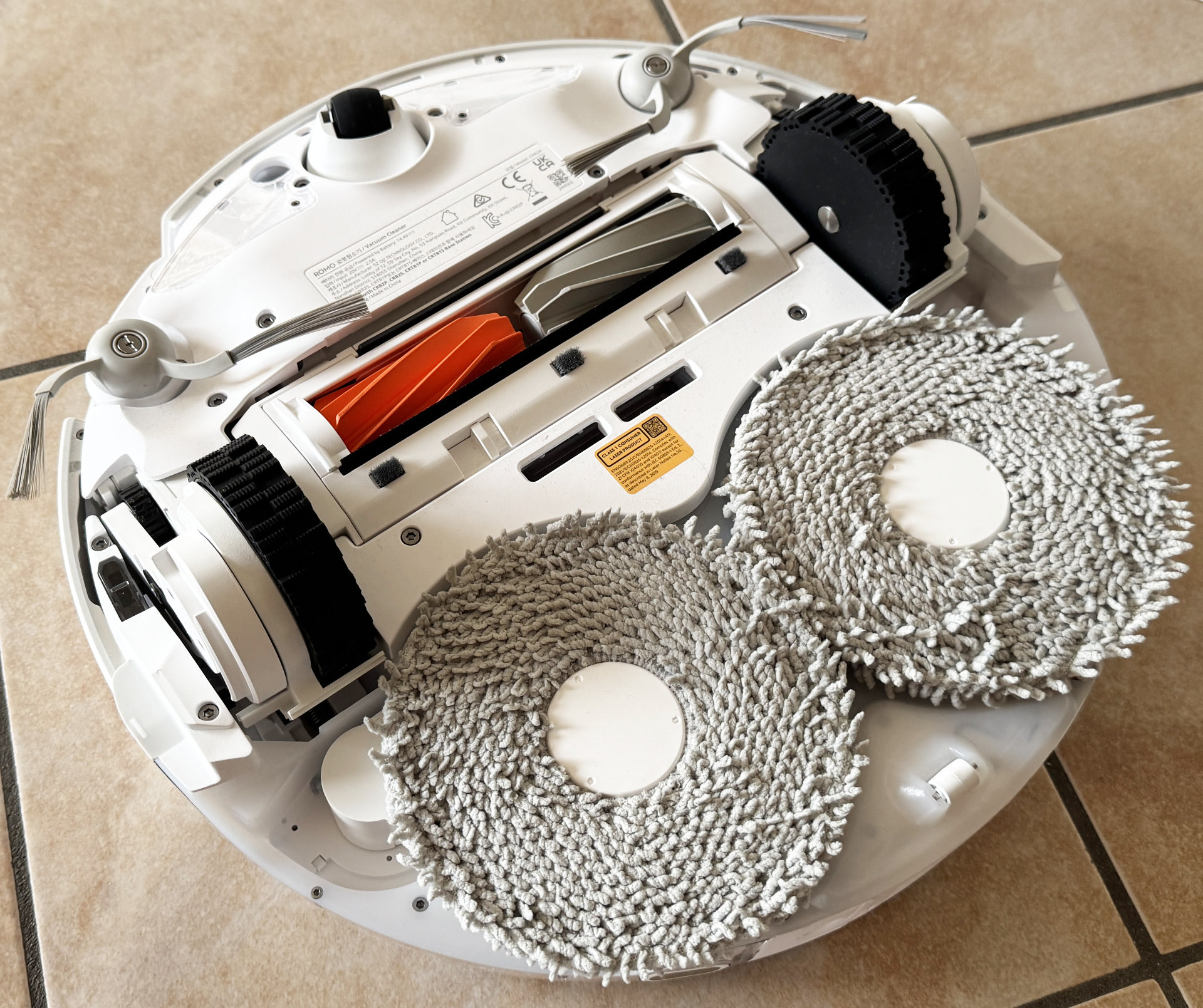
Two brushes are mounted on the front of the robotwith the one on the right close to the wall which is mounted on a telescopic arm useful for removing dirt from the most critical areas.
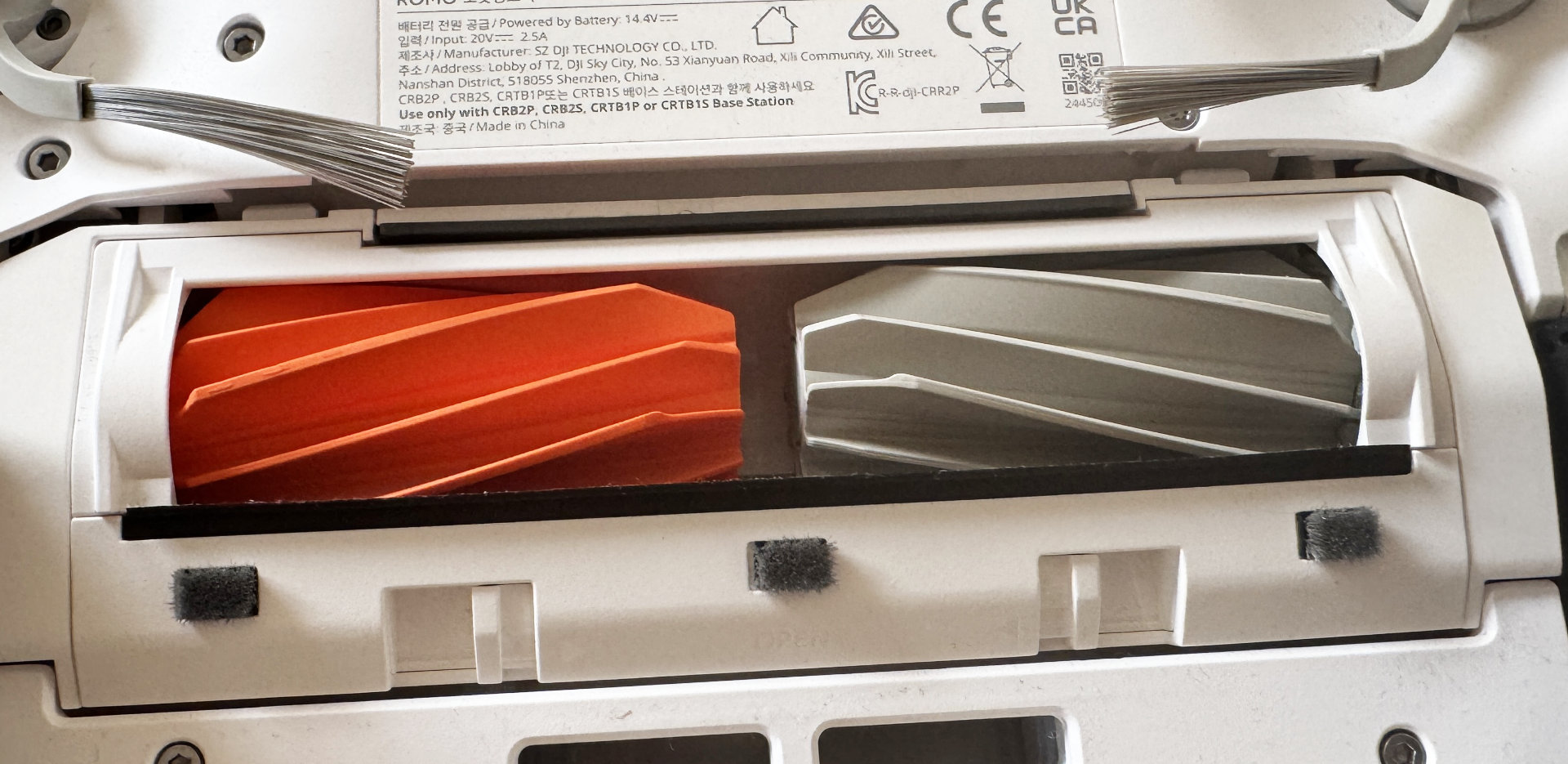
The central brush is of the dualsweep type: two soft rubber rollers collect the dirt and automatically bring hair towards the center, so that they cannot get stuck in the two rollers but are conveyed into the dust collection tank. The two side brushes are shaped to help move hair towards the lower brushes, preventing them from getting tangled.
In Romo 2 DJI has also implemented an obstacle overcoming systemthanks to two small legs that protrude from the wheels: this functionality was absent in the first generation. They allow you to overcome single obstacles up to 4cm in height, or double obstacles up to a maximum of 8.5cm in total height. Not only that: the rear part of the robot rises automatically, leveraging the wheels, when the robot has to get on or off a carpet so as to prevent the latter from being dragged or touched in any way.
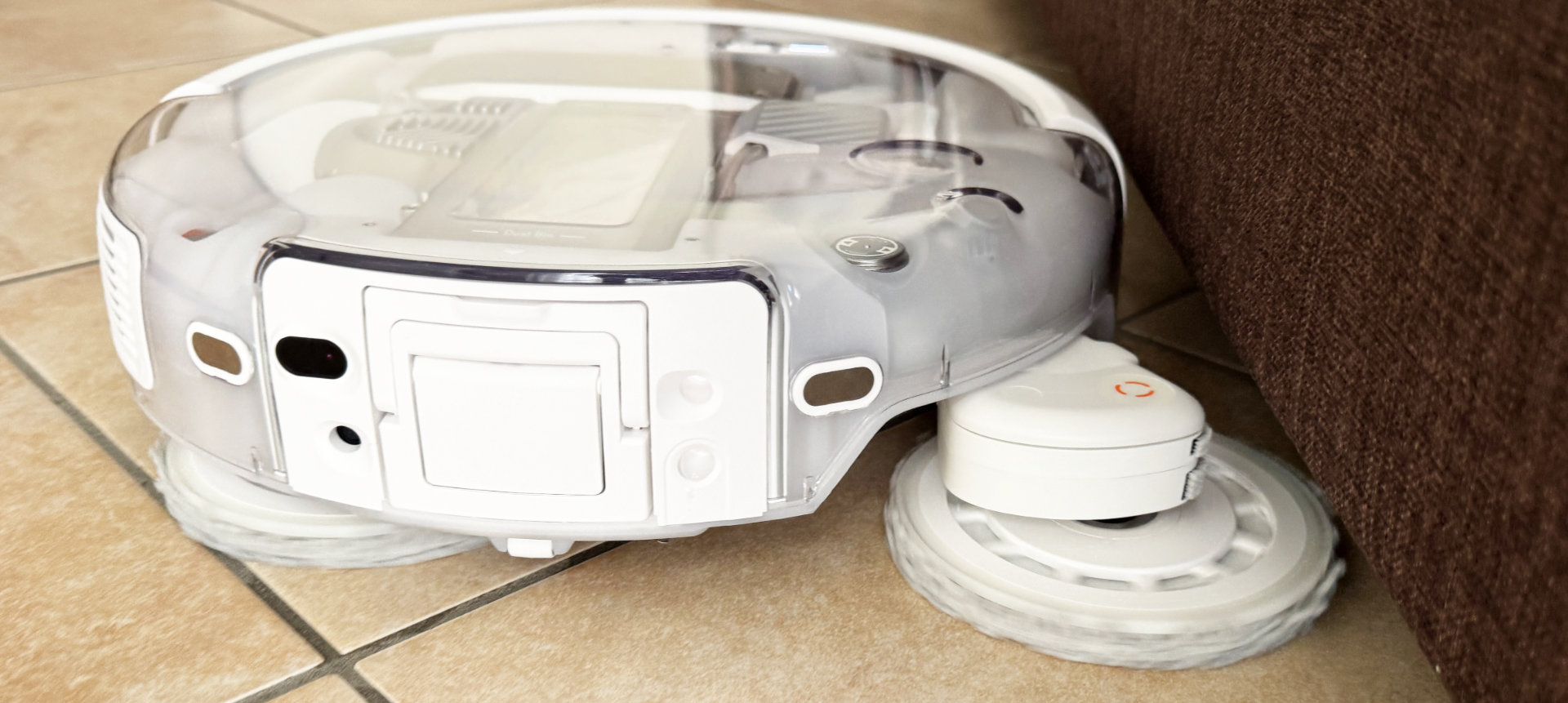
The floor washing system is based on two rotating mopswith the outermost one being mounted on a tilting mechanism which makes it protrude compared to the size of the robot so as to better intervene in cleaning the corners and those parts of the floor that are more difficult to reach. In Romo 2 DJI has also introduced a robotic arm that extends much further than what happened with the first Romo series: the angle formed is 123°, which corresponds to an extension of 7.8cm compared to the lateral bulk of the robot.
A small water tank integrated into the robot ensures that the mops are always properly moisteneddepending on the preferences selected by the user within the APP. The tank for the detergent and the one for the perfume solution are integrated into the charging base: it is also possible to configure their intervention from the APP.
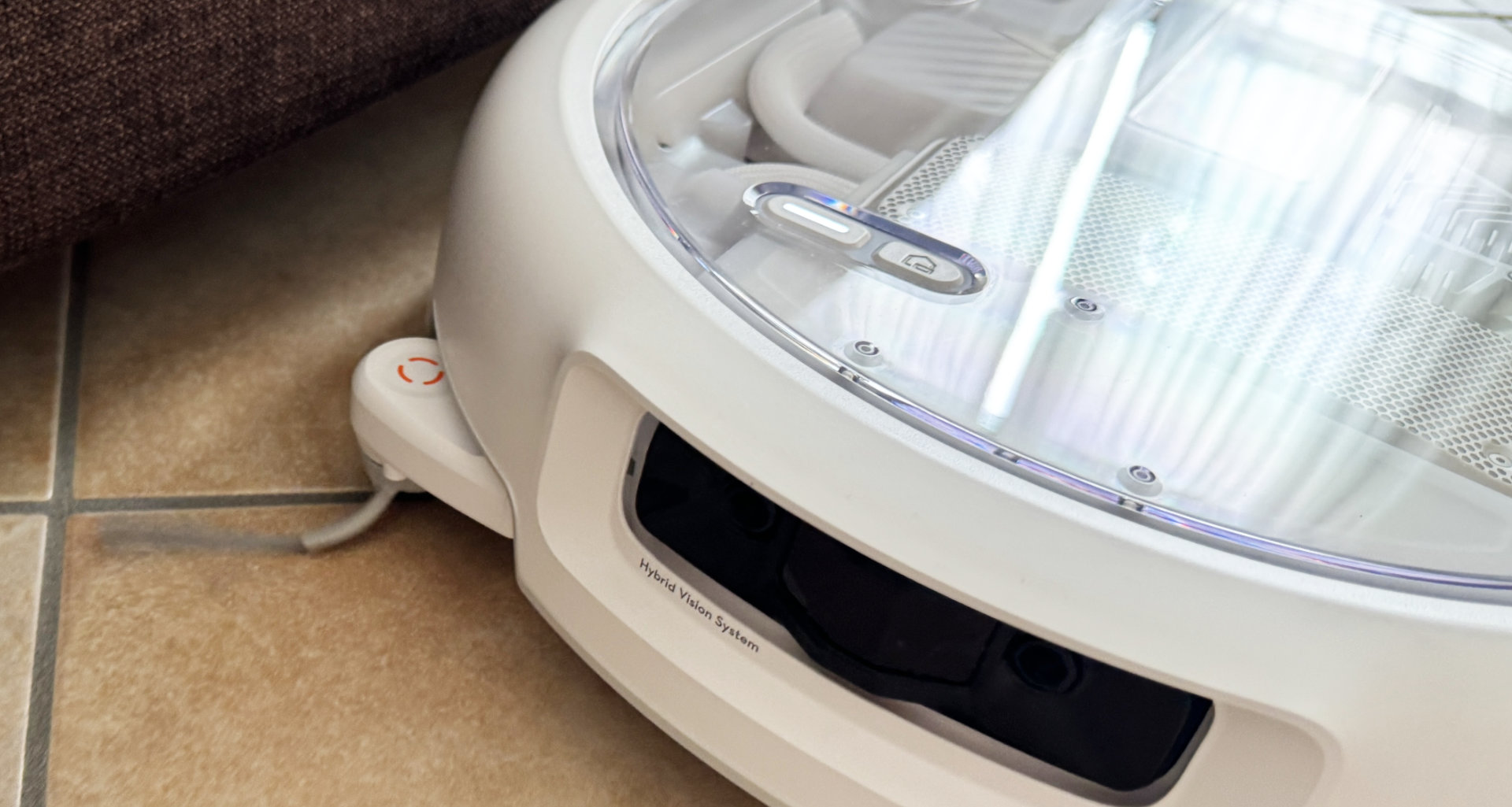
The resulting: much more precise cleaning around table and chair legs, furniture edges and better treatment in the presence of corners formed by walls or furniture. The telescopic arm is equipped with a TOF LiDAR, which best manages its position, preventing it from getting stuck and ensuring that cleaning proceeds as thoroughly as possible.
One of the areas in which DJI has worked to distinguish itself from competitors is related to operating noise: we had already appreciated this thing in the first generation of Romo and we also find it in the latest arrival. DJI has used 32 different types of materials characterized by noise reduction properties, with direct benefits both during the cleaning action of the robot and in the various operations carried out by the charging base.
A charging base in full view
The Rovo 2 charging base has overall compact dimensionscompared to that of other competing products on the market. At the end of each cleaning action it also carries out the washing operations of the mops once the robot returns to position, ensuring that they are always ready for the next cleaning and in this way they do not carry dirt along the floors. The washing system provides a flow of high-power hot water, at a temperature of 60 degreescapable not only of thoroughly washing the mops but also the base itself on which they are placed, with the addition of detergent present in a specific tank.
The base is equipped with a self-cleaning system with high pressure waterwhich avoids having to carry out manual maintenance in this area. At the end of each mop washing operation, the base is washed, so as to remove any residue and prevent unpleasant odors from forming.
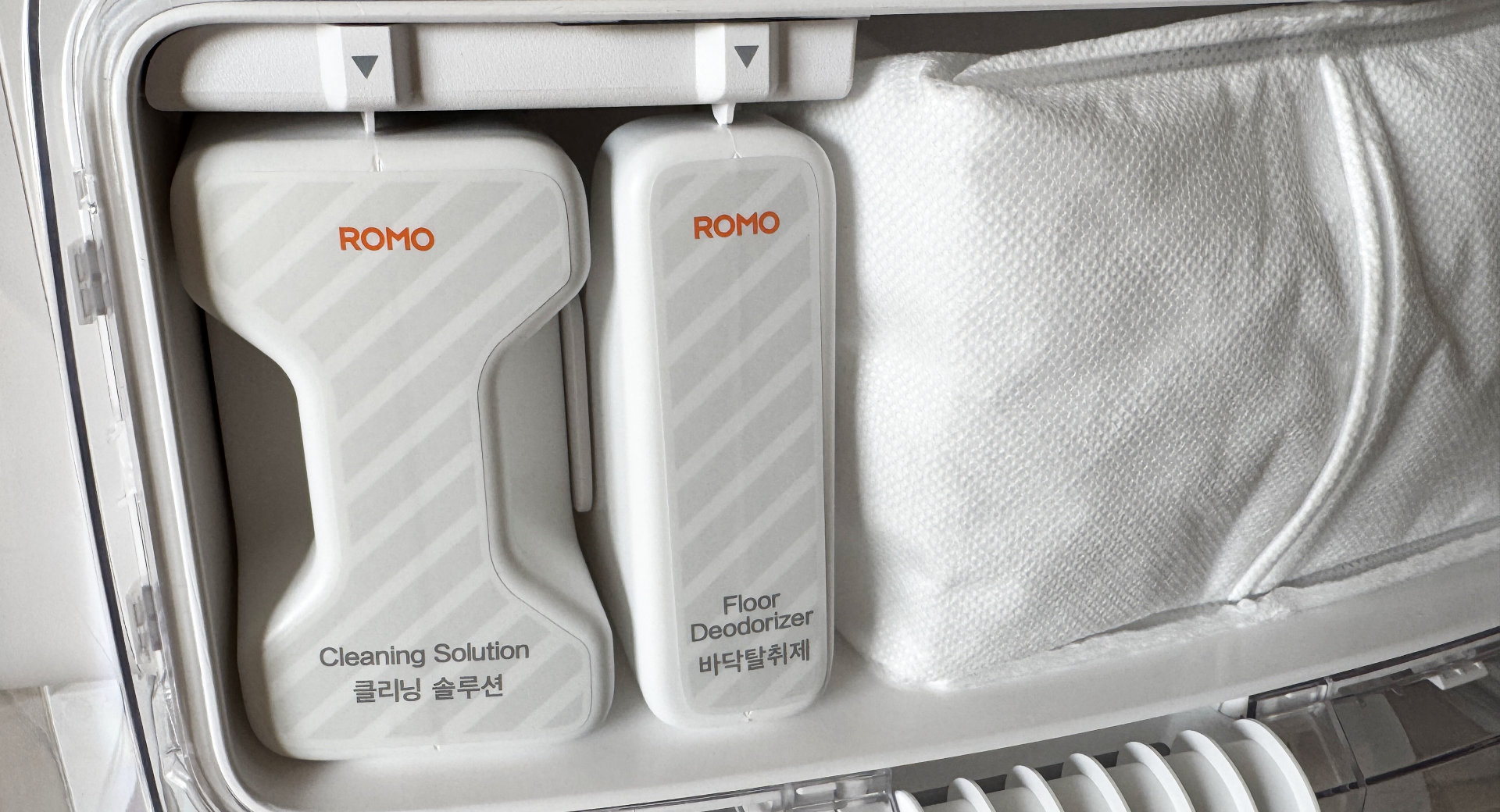
The base houses two cartridge containers: one is for the detergent, the other for the perfume liquid. From the APP it is possible to configure their mode of use, choosing whether to wash only with water or also using these two liquids.
The DJI Home APP
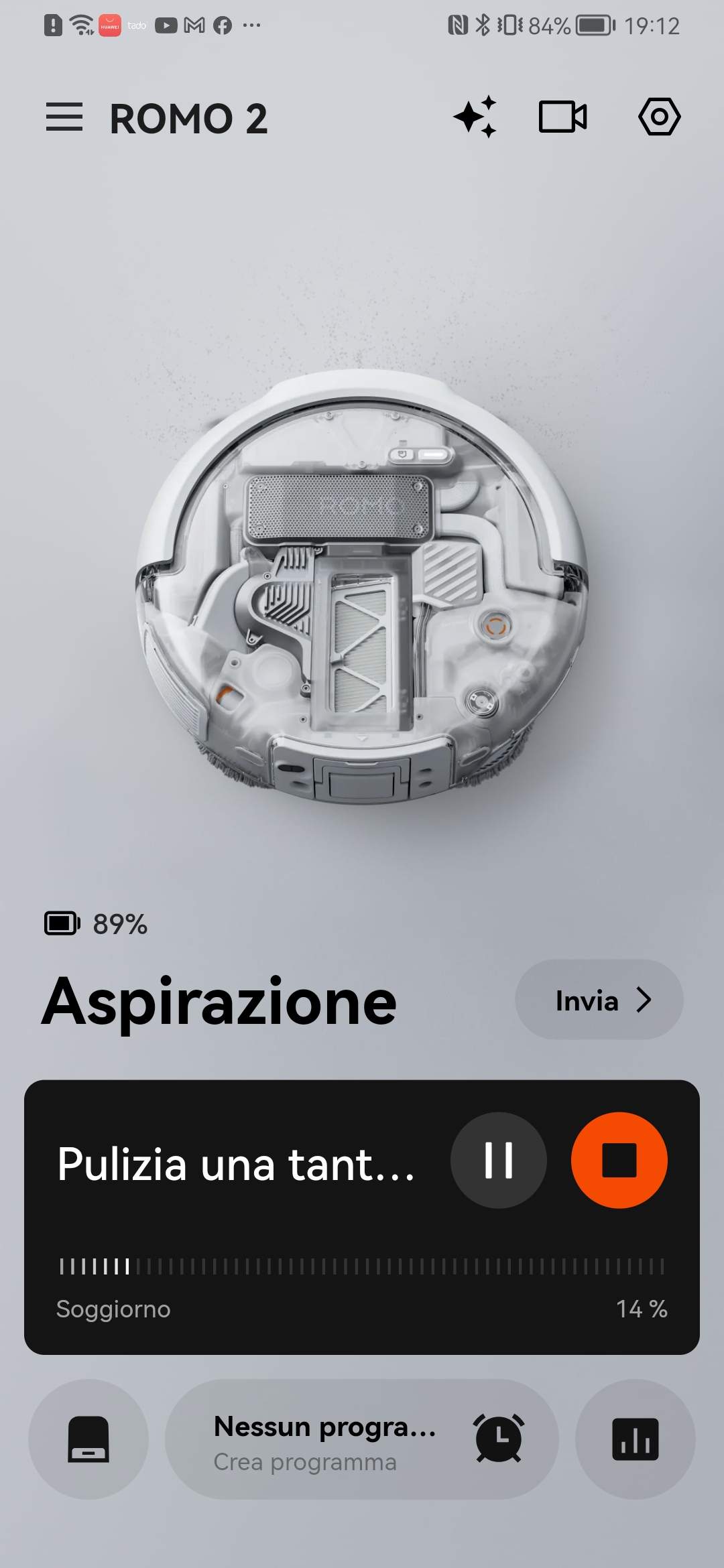
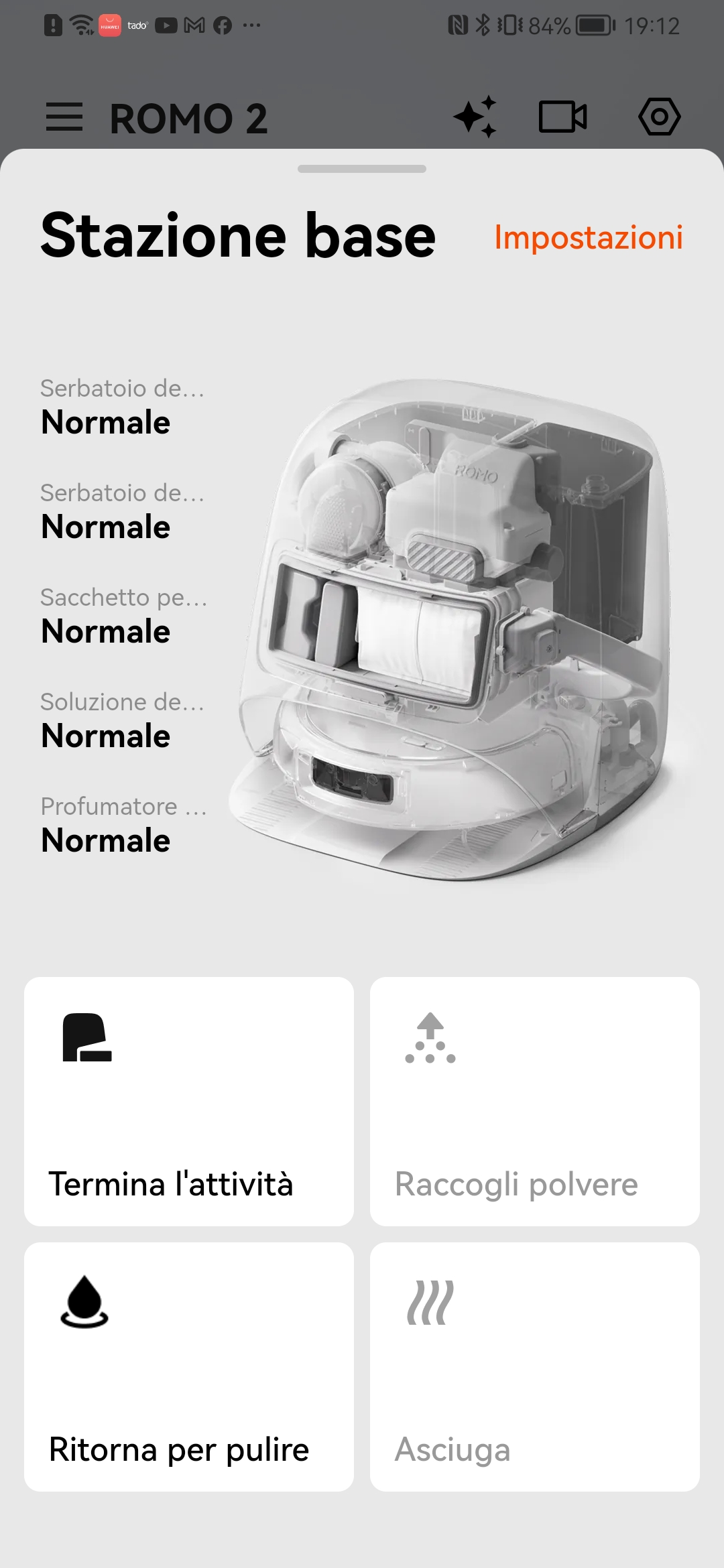
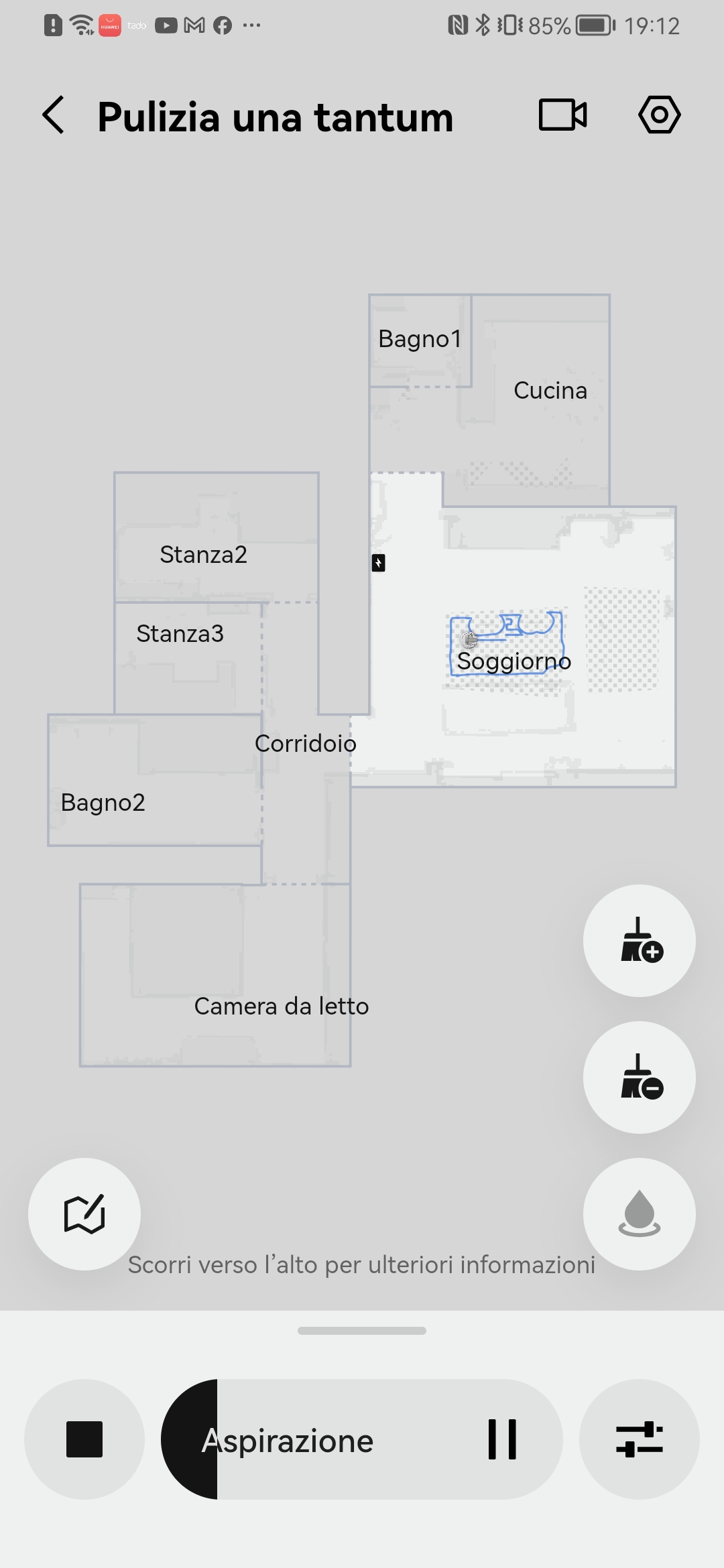
There DJI Home APP it is the management center for all the functions of DJI Romo 2. It is possible to proceed with vacuuming only or washing the floors only, or select the two operations simultaneously or alternatively proceed with vacuuming the room first and then washing it. For each room of the house you can identify a specific cleaning pattern or let the operating logic of Romo 2 select the type of specific cleaning intervention to carry out.
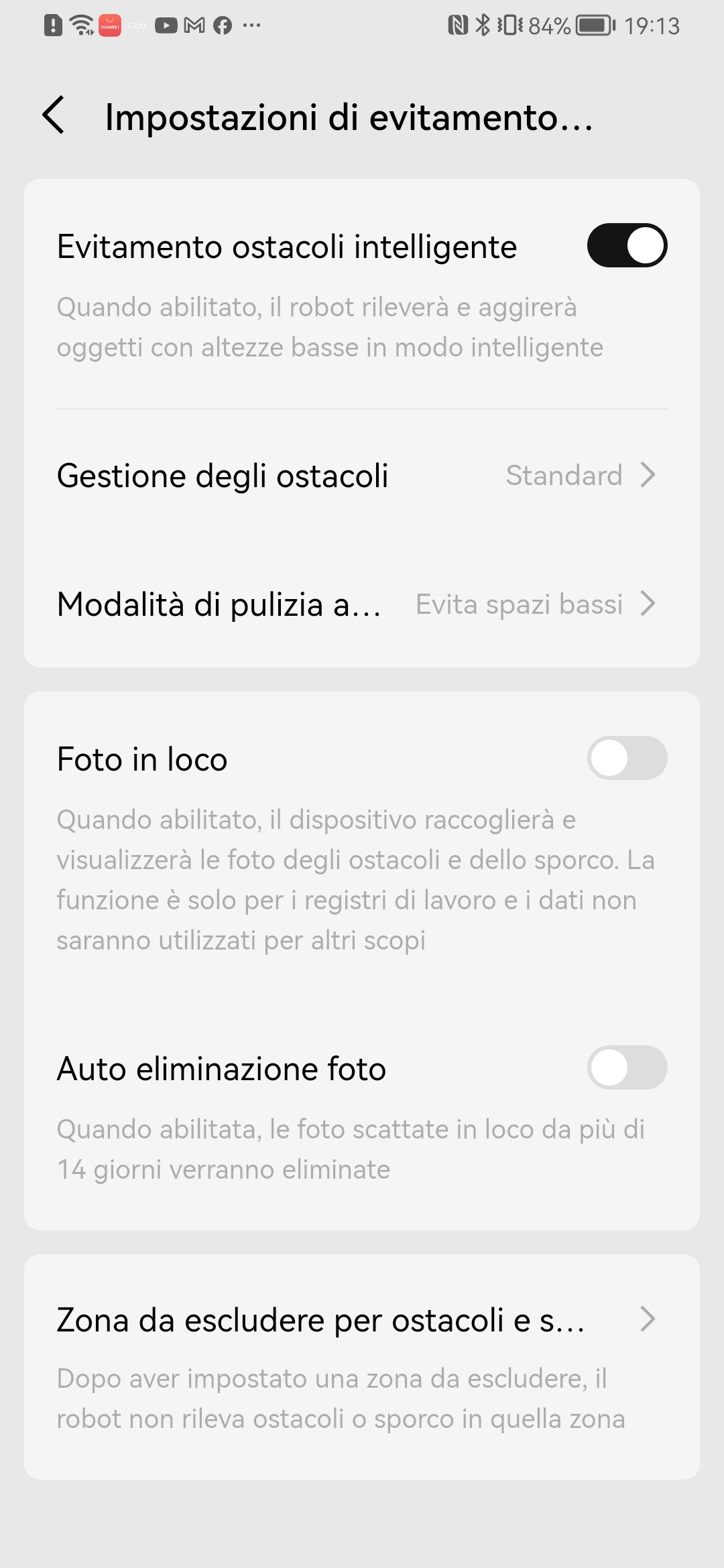
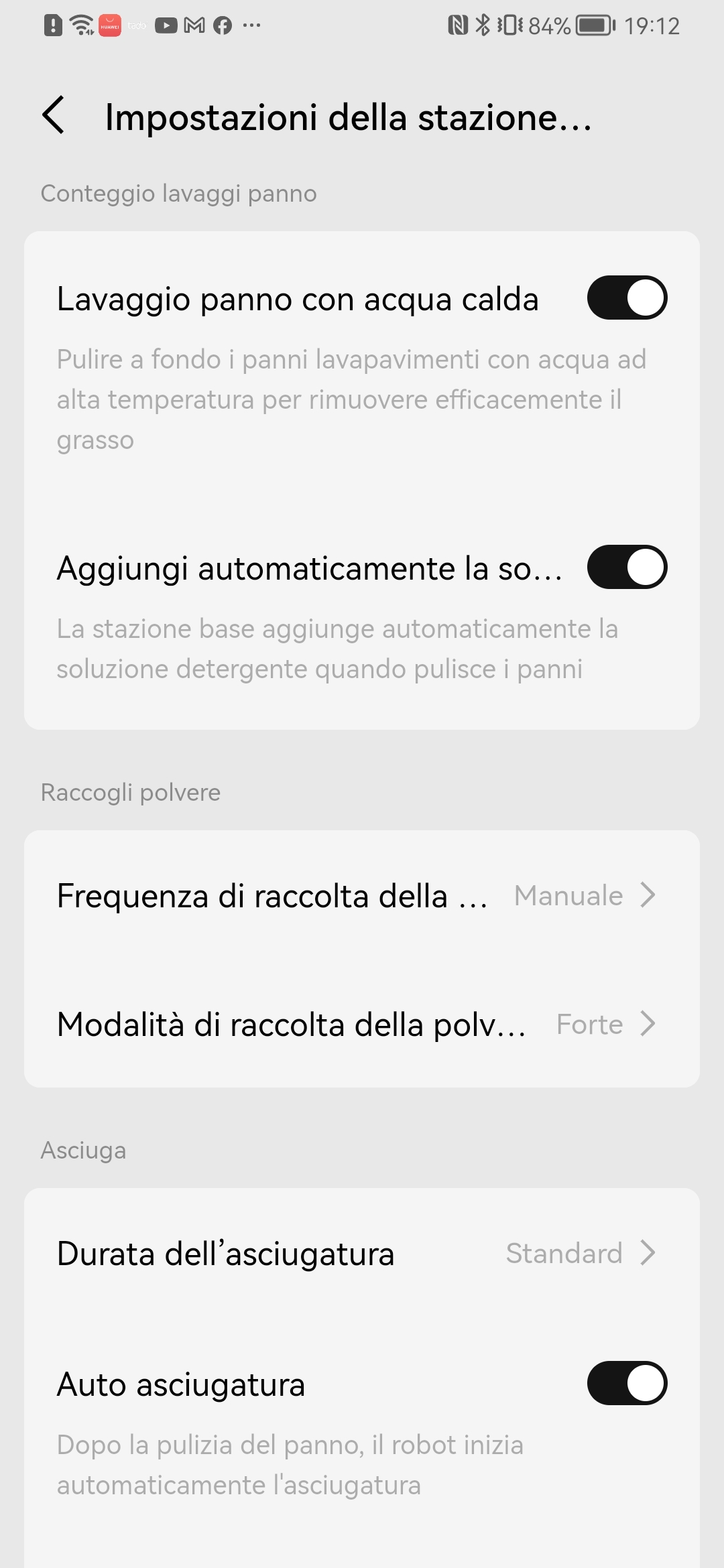
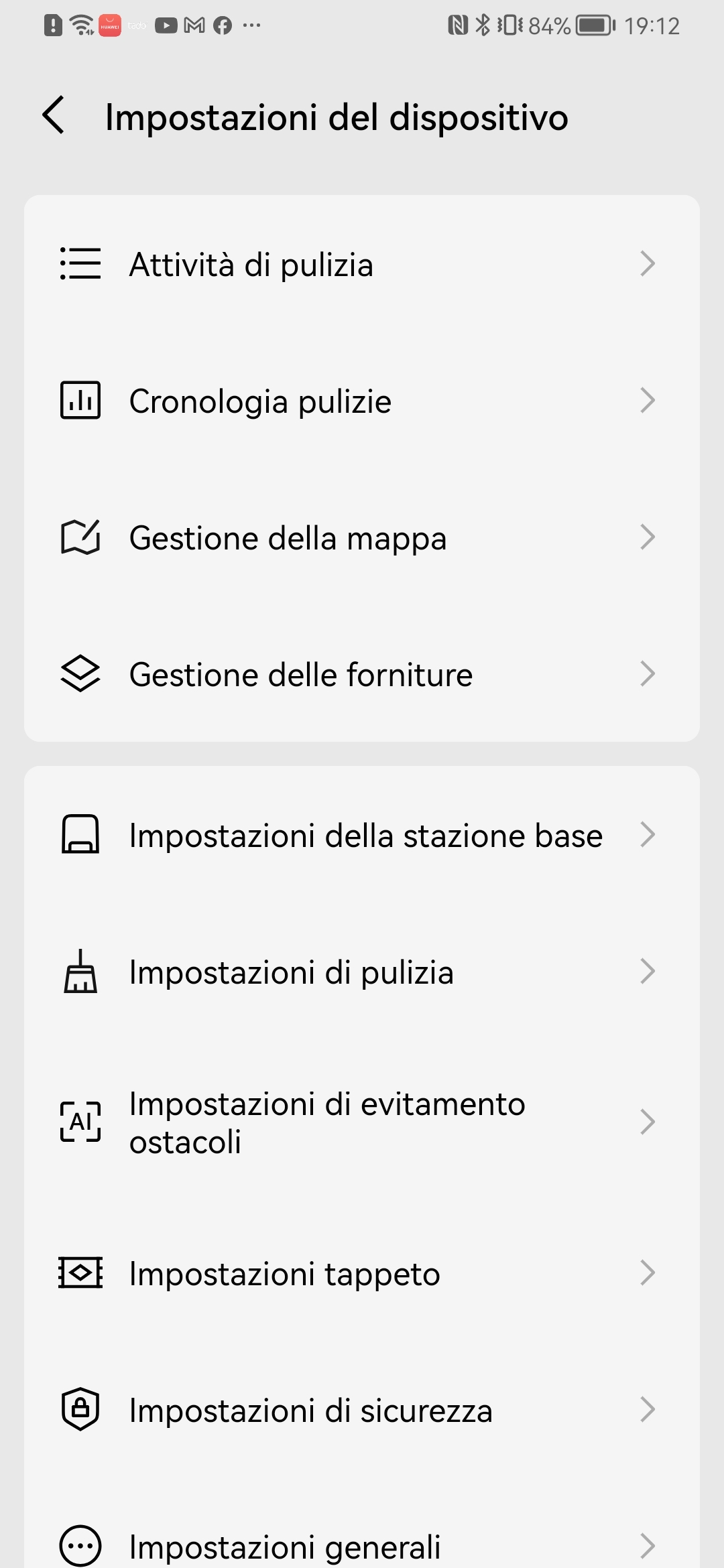
In the advanced configuration screens we find the typical configuration flexibility expected from a high-end robot. It is possible to better manage all the options related to the operation of the extendable arms, as well as the operating modes of the charging base.
The part related to washing the floor is very interestingwith several options that can be configured. The basic one involves the use of water only, while alternatively it can be programmed a degreasing operation with detergent or one with a deodorant solutionthe latter particularly indicated if there are pets in the house. By enabling the degreaser mode it is possible, at your discretion, to enable a second cleaning step with water only, so as to prevent the floor from remaining slippery with the presence of the detergent.
In operation: effective and precise
Once the home environments have been mapped and a cleaning procedure has started, DJI Romo 2 confirms the remarkable precision in moving around the home environments that we had already appreciated in the first generation. The technologies developed by the company in the world of drones are widely adopted here and it is clearly noticeable.
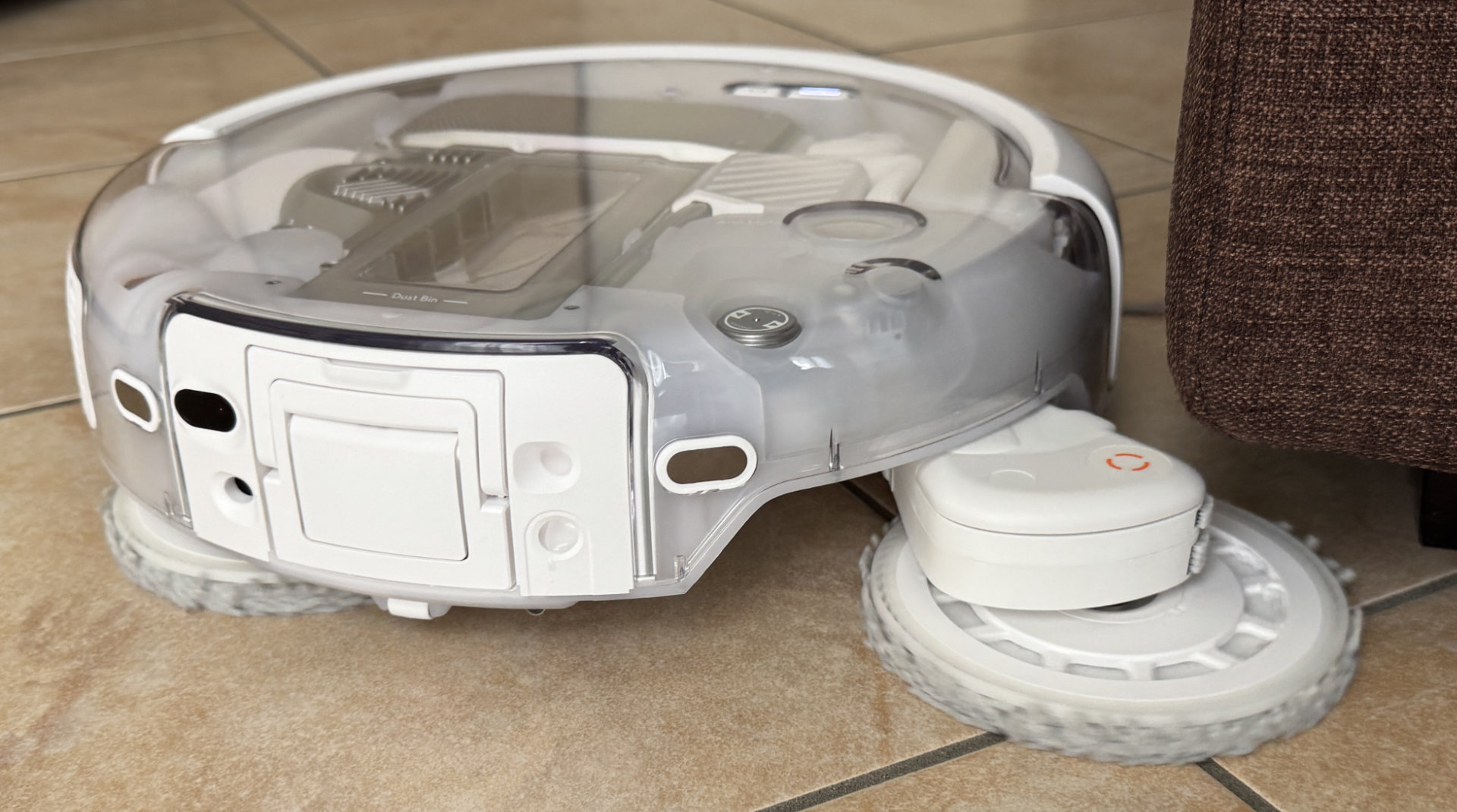
Compared to the first generation, DJI Romo 2 takes advantage thanks to the external mop that protrudes to a marked extent from the chassis structure. The presence of a dedicated LiDAR in this area allows you to better clean the areas near the edges of the walls, sliding next to the furniture and also treating areas with recesses such as kitchen furniture.
The dual front brush dust removal system works equally well: the one on the right can protrude beyond the bulk of the robot chassis, acting best in the presence of corners and areas where dust could settle.4
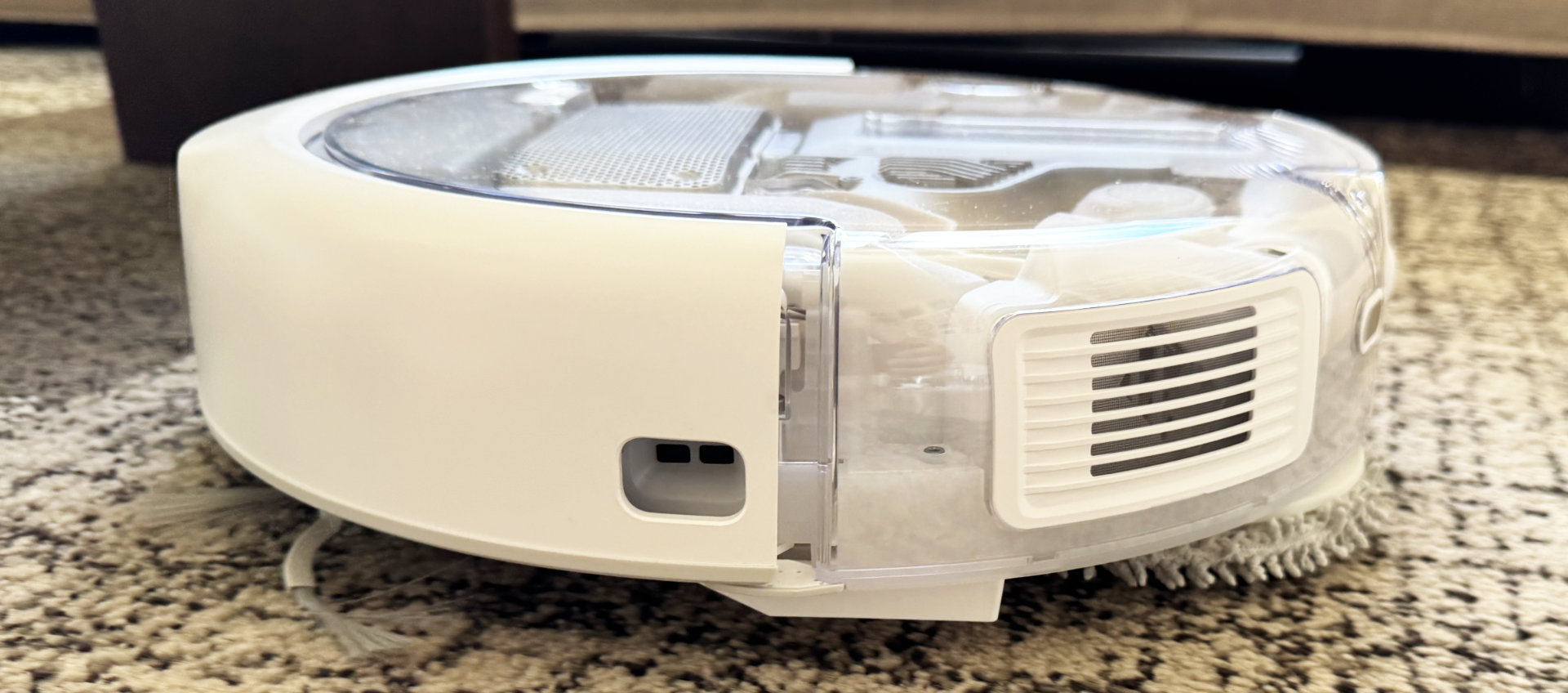
The navigation system has proven to be not only precise in navigation, but also very effective in avoiding obstacles and objects that may be present on the floor. In the presence of carpets, the robot manages the suction by giving priority to these and then moving to treat the rest of the surface of the selected environment: on carpets the suction power adapts automatically, increasing in order to best remove whatever may have deposited.
The two rear mops are magnetically fixed to the robot so that they can be easily removed: like what was seen with the first generation, they also remain installed in Romo 2 even when you only need to proceed with dust extraction. Compared to the previous model, the obstacle overcoming system comes in handywhich uses two pins mounted next to the wheels as well as allowing the rear part of the frame to lift from its usual position.
The cleaning action then proceeds quickly and effectively: DJI Romo 2 intervenes with precision ensuring a complete cleaning action even in those environments that are messy, or have furnishing elements (think of the legs of tables and chairs) which due to their shape are critical to manage when cleaning by a robot.
Finally, a note on prices: we had criticized them because they were very high in the first generation of the DJI robot and the company saw the prices of Romo 2 reduced, despite introducing numerous new features. The DJI Romo P2 model tested in this article, equipped with a transparent construction, is offered at a list price of €1,299 while for the Romo A2 with a white finish the price is €1,199. These are values now aligned with those of the main competitors on the market with similar technical characteristicswith the added value for those who appreciate it of the unique design of the completely transparent and technological Romo P2 model.