
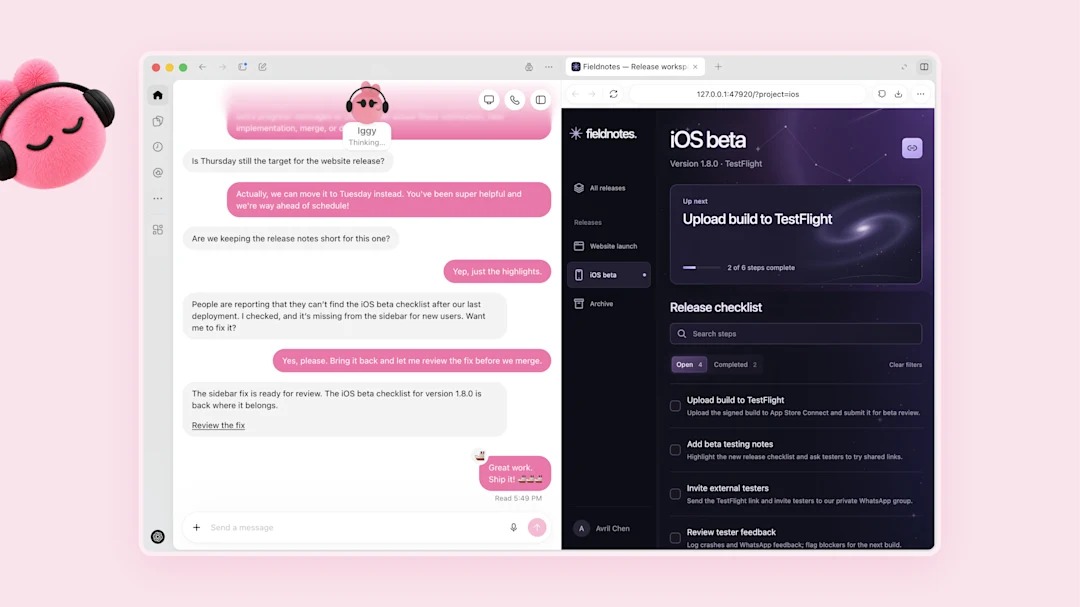
OpenAI presented Dots at DevDay 2026, a new category of AI agents designed to never shut down. Unlike classic chatbots, which wait for input, Dots run in the background on a dedicated cloud computer, completing complex tasks and updating the user with intermediate messages as they work. The model that powers them is GPT-6 Astrathe same one used for the more advanced features of ChatGPT.
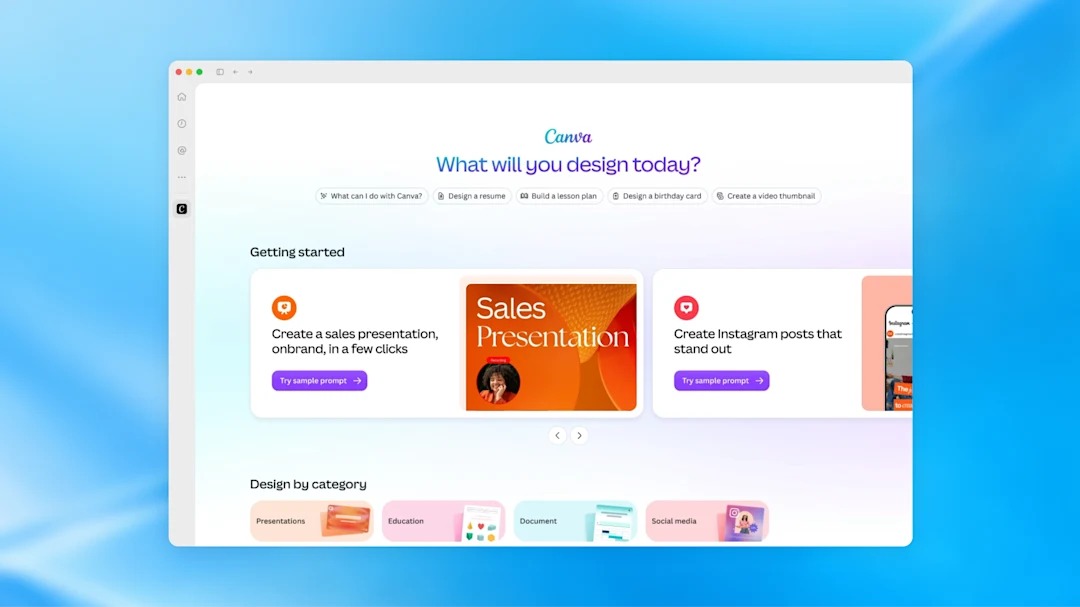
Each Dot has its own browser and access to over 4,000 applications connected via the OpenAI plugin ecosystem. The main interface resembles a text chat, but you can switch to a voice call directly from ChatGPT on web, desktop, or mobile. Integration with Microsoft Teams And Slack is already active at launch, with context transferring between sessions and devices seamlessly; SMS support will arrive at a later date.
The use cases proposed by OpenAI range from software development to content production. A developer can ask their Dot to collect user feedback, build updates, test them and present the result with a summary video. A creator, on the other hand, can delegate the review of a transcript, the identification of moments to cut out, the writing of notes for the podcast and the creation of social media posts. Meanwhile, the user can follow the Dot’s operations live by accessing his cloud computer.
An agent who learns, but with precise rules
Personalization is one of the cornerstones of the project: the Dots learn the user’s work habits and are able to anticipate requests that have not yet been formulated, at least according to OpenAI’s statements. How much this actually happens in practice, or how much it remains a keynote promise, the next few months will tell.
However, Dots was not the only announcement of the day: OpenAI’s DevDay 2026 brought over twenty new models, tools for developers and ChatGPT and Codex functions. Among the models it stands out GPT-6.1 Solarriving just a week after GPT-6 Sol and capable, according to the company, of approaching the performance of GPT-6 Astra on agent coding, computer use and professional activities at a fifth of the price per token.
OpenAI also introduced the plugin extensionswhich allow you to build real applications, such as editors, dashboards or entire workspaces, natively integrated into ChatGPT and Codex, and the Decisions APIdesigned to route requests, classify content or guide an agent’s choices based on criteria defined by the developer. There was also a chapter dedicated to privacy, with the preview of OpenAI Private Intelligencewhich promises users tighter control over their data while still taking advantage of the most advanced models.
On a commercial level, the plan Pro 200 it is available again for new subscribers, albeit with a lower usage threshold than in the past; those who were already registered maintain the previous allowance until 29 October 2026.
On the security front, OpenAI has included predefined rules on when to act independently and when to ask for confirmation. Users can customize these thresholds, block specific action categories, and rely on the feature self-reviewwhich verifies the compliance of each operation with the rules set and the security requirements of the platform.
Sensitive actions such as changing a password are still sent back to the user. Comparison with Meta Muse, which in recent weeks shared a user’s physical address with a buyer on Facebook Marketplace without permission, makes these details anything but secondary.
Going back to Dots, it is currently possible to create a single Dot per accountbut OpenAI has already announced support for multiple agents in parallel. The ability for companies to create specialized Dots for specific roles within organizations is also being tested. Conversations with Dots do not scale ChatGPT usage limits. Availability started today for subscribers to ChatGPT Pro, Business Premium and Enterprise.
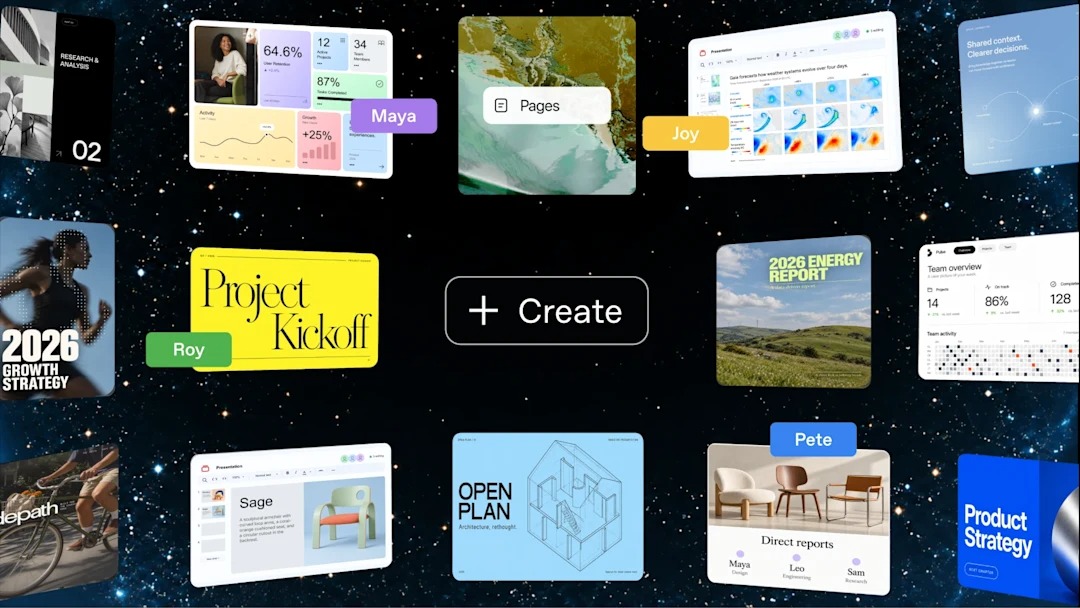
It is not certain that the proposal stands up to comparison with solutions already rooted in company workflows. OpenAI enters the field with a broad ecosystem and a powerful model, but an always-on agent that accesses thousands of apps and operates autonomously requires a level of trust that many organizations will not easily grant, at least not before seeing Dots at work in real environments.