
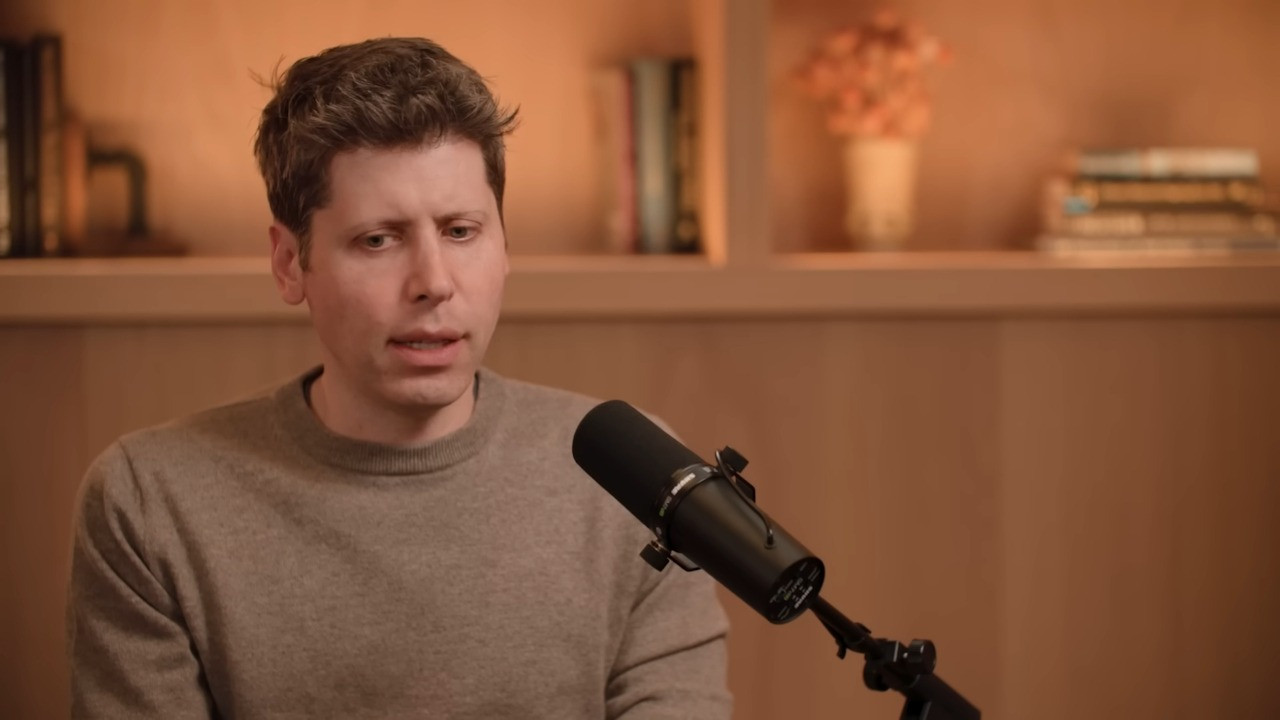
OpenAI and its CEO Sam Altman were sued by students, teachers and the principal of the school involved in the shooting in Tumbler Ridge, Canada. The 30 new causesfiled Wednesday in a California federal court by the law firm Edelson PC, accuse the company of providing “substantial assistance and encouragement” to the young man responsible for the attack. Compared to the seven complaints presented in April by the victims’ families, the accusation has become more serious: no longer simple negligence, but aiding and abetting.
The attack dates back to February 10, 2026 in Tumbler Ridge, British Columbia, where 18-year-old Jesse Van Rootselaar killed nine people, including his mother and half-brother, before taking his own life. In previous months, according to the complaints, OpenAI’s automatic review system had already flagged conversations between the boy and ChatGPT that focused on gun violence and planning an attack.
The internal team responsible for identifying at-risk users would have recommended notifying the Canadian authorities. The lawsuits claim, however, that Chris Lehanethe company’s chief global affairs officer, was involved in the decision not to do so, for fear of the repercussions on OpenAI’s reputation and accounts.
Account reactivation and OpenAI replication
The complaints add a detail that aggravates the accusatory picture: instead of permanently banning the suspect’s account, OpenAI only deactivated it, leaving him the possibility of returning to ChatGPT by registering with another email. For the lawyers who filed the new cases, this choice in itself constitutes a substantial contribution to the attack: “Guaranteeing the perpetrator continued access to the tool represented substantial assistance in itself”, we read in the documents, which indicate this support as a key factor in planning the massacre.
Jason Kwonchief strategy officer of OpenAI, responded to X by defining the accusations made against the company’s security team as “false”, denying any political or public relations influence in the choices made. Kwon spoke of a judgment that is “never infallible”, but always oriented towards balancing user security with other operational needs of the company.
OpenAI already has to respond to a lawsuit brought by the state of Floridawhich also accuses it of aiding and abetting in relation to other mass shootings, including the attack on Florida State University in 2025. The multiplication of legal actions based on the accusation of aiding and abetting, which is more difficult to prove but potentially more damaging on a legal and reputational level, marks an escalation of the law firms’ strategy against the artificial intelligence giant.