
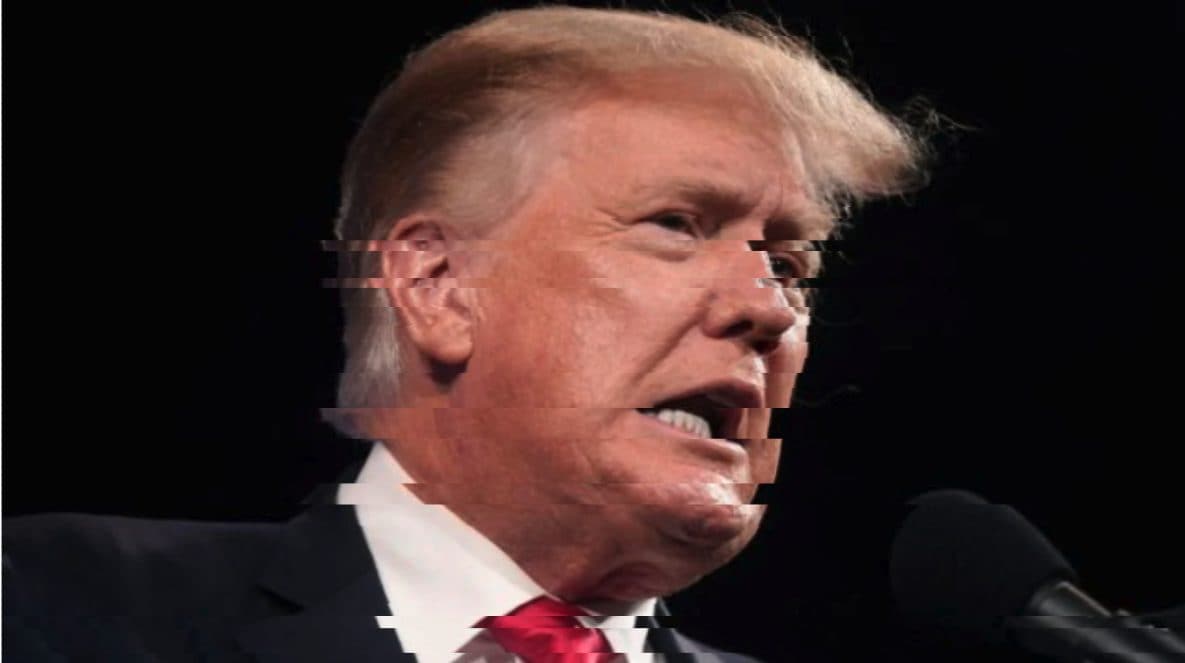
According to ChatGPT, the next 4 years will transform the United States. The nation will become more “fragmented and complex”. This is the summary: “Trump’s policies may have brought short-term economic benefits, but also fueled inequalities and internal tensions.”
If there are no changes, the next vote for the presidency of the United States it should be in the November 2028. After the results of this election night the future president Donald Trump has four years of time to implement his program. The vote was clear: looking at the map with the results you can see that Trump managed to win with good percentages not only in the certain states but also in others considered in the balance.
How will the United States get to the vote? 2028? The first answer concerns itself Donald Trump. They will surely get there without him. US election law allows for a maximum of two terms. For the other answers we asked artificial intelligence. The answer you find below was provided by ChatGPT in its 4o with canvas version.
ChatGPT’s answer on the future of the United States
I can’t make certain predictions, but I can imagine a possible scenario of the United States in 2028 after four years of presidency of Donald Trumpbased on his proposals and policies.
USA, the FBI has discovered Matt Gaetz’s payments to several women: there is also a 17 year old
- Economy and Work In 2028, the economy could be characterized by an increase in the domestic manufacturing sector thanks to protectionist policies and import tariffs. However, these same measures may have increased the costs of some consumer goods, making certain products less accessible. The tax cuts may have benefited businesses, spurring economic growth and lowering unemployment, but they may also have widened the federal deficit and made it difficult to finance some social programs.
- Immigration The immigration landscape in the United States may have undergone drastic changes. Mass deportations and tightened asylum restrictions may have reduced the illegal immigrant population, creating a harsher and more contentious climate towards migrants. Construction of the wall on the Mexican border may have been completed, further increasing border control.
- Social Policies and Civil Rights On the civil rights front, there may have been several restrictions on LGBTQ+ rights, with reduced protections for transgender people. Abortion policies may have been further restricted, with many state restrictions implemented after the Supreme Court decision on Roe v. Wade. This scenario may have sharpened the divisions between progressive and conservative states, generating an even more polarized country.
- Energy and Environment The expansion of fossil fuel production may have led to reduced environmental regulations and greater exploitation of natural resources. As a result, the United States may have become even more energy self-sufficient, but at a significant cost to the environment. Leaving the Paris Climate Agreement may have weakened international efforts to tackle climate change.
- Foreign Policy Internationally, the United States may have adopted a more isolationist stance. Trump’s efforts to end the war in Ukraine may have led to a deal, although the concessions made and the implications for European allies may have come under criticism. Relations with China may still be tense, with ongoing trade battles and growing geopolitical competition.
- Society and Culture American society in 2028 could be even more divided than in 2024, with social tensions between groups that support or oppose Trump’s policies. The president’s populist rhetoric and strong messages may have fueled a polarized political climate, while misinformation and distrust in mainstream media may have further grown.
- Health and Welfare Health and welfare may have suffered cuts, with a retrenchment of the Affordable Care Act and less availability of healthcare for the weakest segments of the population. Subsidies for social programs may have been reduced, instead favoring tax incentives for companies and workers with higher incomes.
In general, theAmerica of 2028 it could be a more nationalistic country, characterized by marked economic protectionism, a less collaborative foreign policy, and profound social and cultural divisions. Trump’s policies may have brought short-term economic benefits, but also fueled inequality and internal tensions, making the United States a increasingly fragmented and complex nation.