
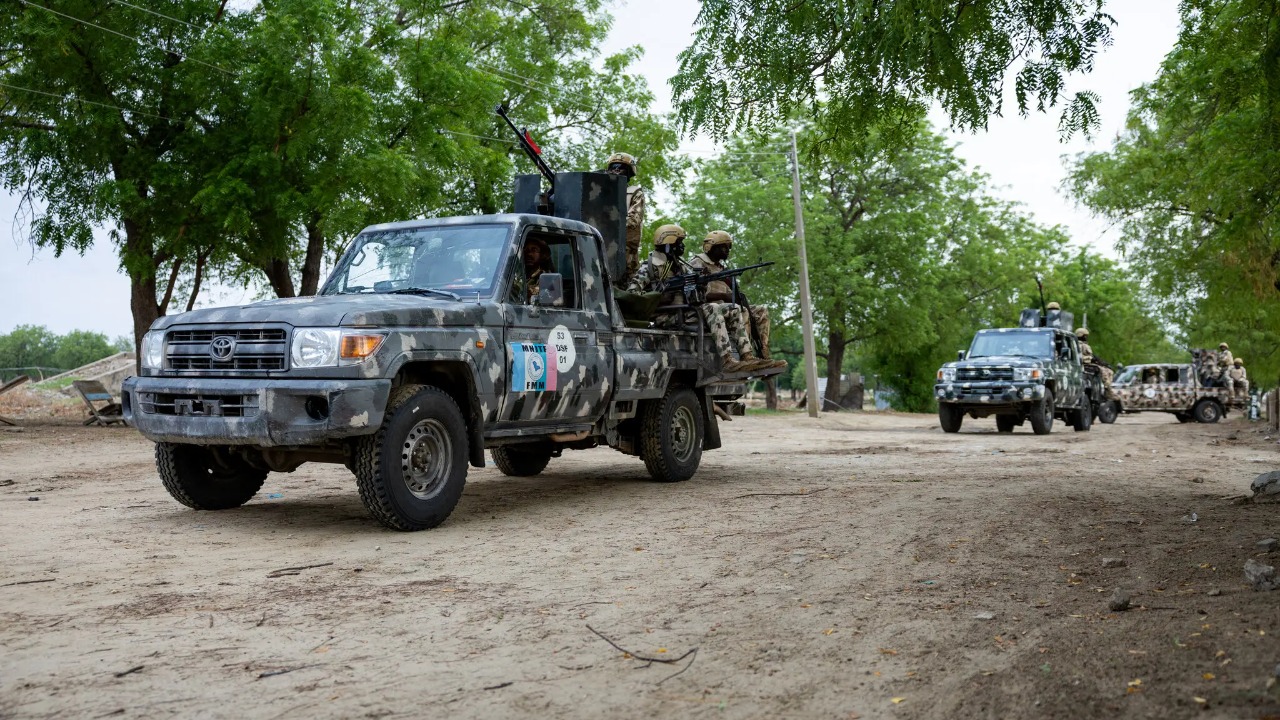
A report from Cambridge Program on AI Science & Policy (CASP) documented for the first time, with direct testimonies, how Boko Haram has integrated AI chatbots into its military operations in northeast Nigeria. The study, signed by researcher Antonia Juelich and published on July 10, is based on 57 interviews conducted face-to-face with 27 former members of the group and its ISIS-affiliated faction, ISWAP, collected between 2025 and 2026.
The interviewees said they used it interchangeably ChatGPT, Claude, Gemini, Grok, Meta AI and DeepSeek for a range of operational activities: from the design of explosive devices to the identification of weapons seized from government forces, to the resolution of mechanical problems with jammed rifles. The chatbots would also be used to suggest combat tactics and to conduct post-analysis on the attacks carried out.
The study’s author says she personally showed a chatbot to a former Boko Haram commander in a hotel room in northeastern Nigeria, asking him if he had ever used it. He nodded, then explained: “You write down the question, for example ‘how can I make a bomb,’ and it tells you how. It’s like a human robot”.
Training with ISIS operatives and integration into the chain of command
Former members of ISWAP they also described repeated training sessions, conducted in person by foreign operatives linked to the Islamic State, among the 2023 and 2025. According to the study, the use of generative AI would not remain confined to isolated episodes, but would be progressively inserted into the daily logistics and operational security of the two factions, alongside the traditional training imparted by instructors.
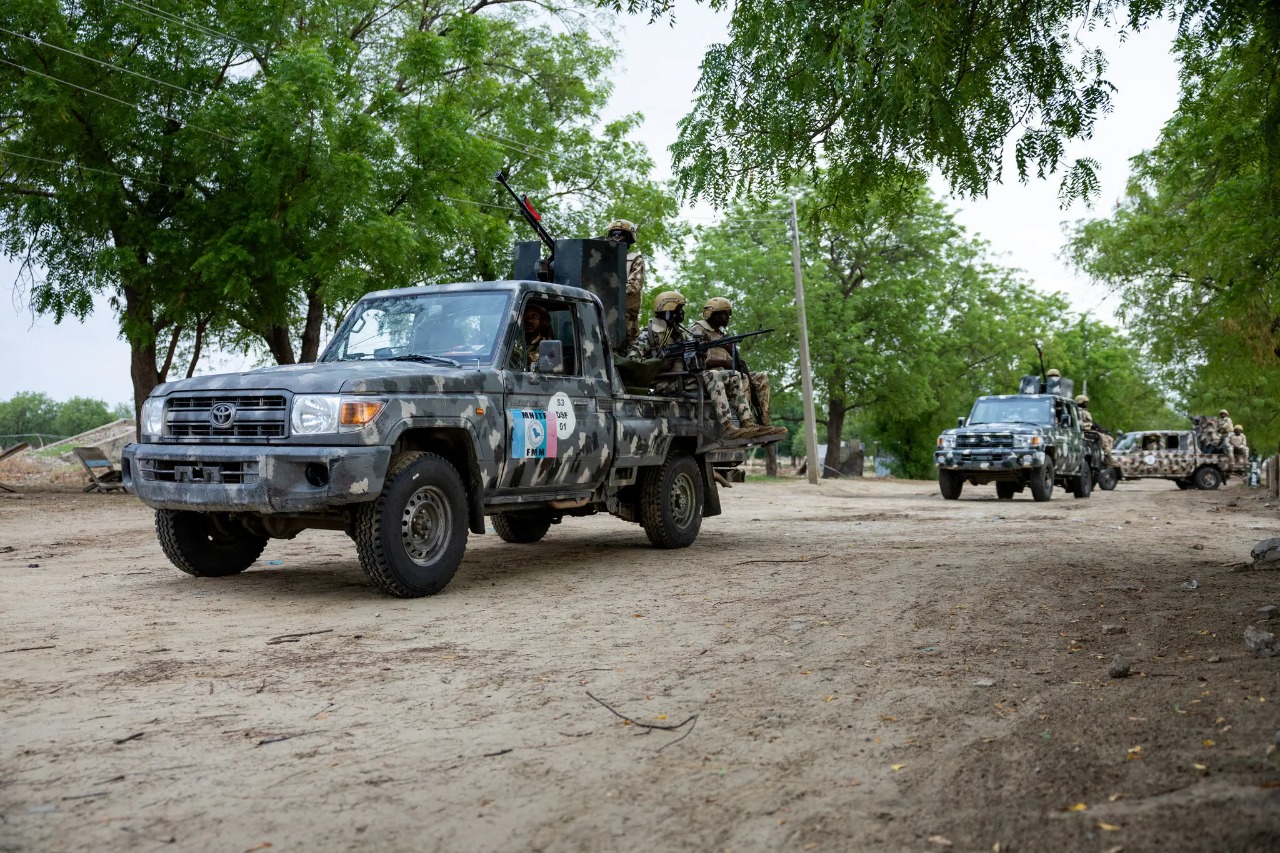
The report was shared with the New York Times ahead of official publication. For the companies producing the chatbots mentioned, the story reopens the issue of security filters against requests related to weapons and explosives: the testimonies collected suggest that these controls were bypassed with relative ease by those seeking operational information.
However, there remains a methodological limitation that the study itself does not hide: the information is based on retrospective accounts of former militiamen, difficult to verify independently and potentially subject to exaggeration or selective memory of the interviewees. The fact that emerges most solidly, if anything, is the very availability of chatbots to provide answers on topics that should be blocked by moderation systems, regardless of how much those answers were actually put into practice in the field.