
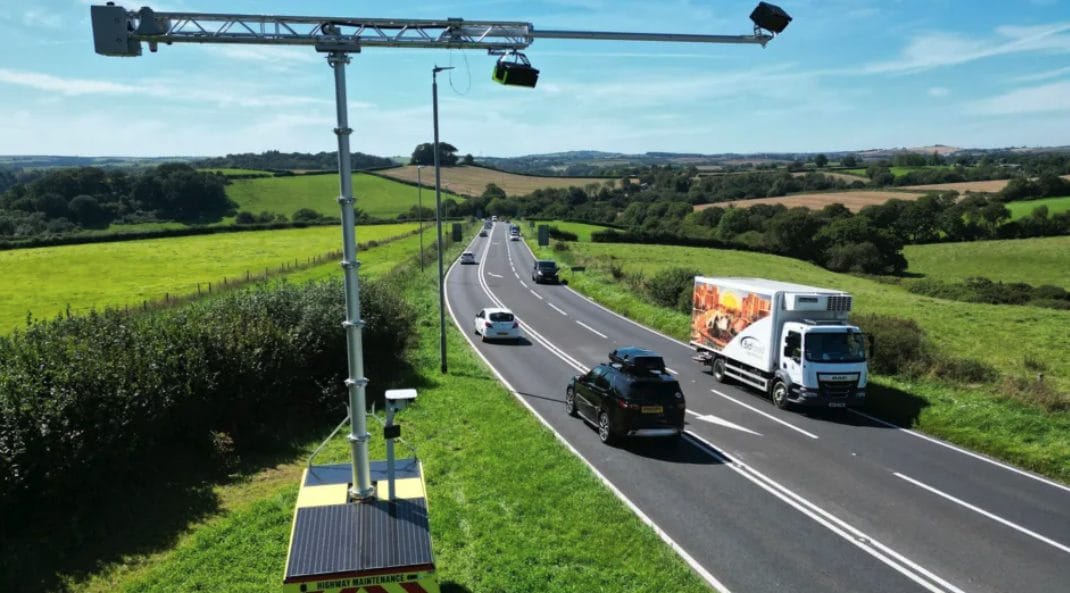
In the future, cameras equipped with artificial intelligence will be installed on highways to detect infringements and become a deterrent for motorists. Beyond the promises there are also problems, as often happens with technologies applied for security, the risk is of violating users’ privacy.
Vision Zero South West | Heads-Up cameras
New cameras have been installed along the roads of Devon, Cornwall (UK). They are called Heads Up and thanks to artificial intelligence they will be able to recognize those driving under theeffect of alcohol and drugs. It is the first time they have been tested on the road and Devon Police say they could save lives. “Our officers can’t be everywhere,” the superintendent explained Simon Jenkinson. “As members of the Vision Zero South West road safety partnership, we are committed to doing everything we can to reduce footfall killed or seriously injured on our roads. Adopting emerging technologies like these cameras is critical to achieving this goal.”
Geoff CollinsUK general manager of Acusenses, the company that manufactured the cameras, added: “We are delighted to lead the first world tests of this technology right here in Devon and Cornwall”. Cameras can be moved without noticemotorists will therefore not know where they will be positioned. Once identified, they will be stopped by the police positioned near the AI cameras, the officers will then check whether the driver is under the influence of alcohol or drugs. “We are all safer if we can spot a potential danger before this cause an accident that could ruin lives,” Collins explained.
AI cameras for those who drive while looking at their cell phones
In reality, Acusenses cameras are already used to intercept all motorists who travel without seatbelts or use their cell phones while driving. “They provide automatic recognition of people using cell phones while driving, in order to enforce traffic safety laws aimed at preventing distracted driving,” the company explained. The AI software “Heads Up” was tested for the first time on the National Highways in 2021.
Elon Musk unleashes his artificial intelligence: how to use Grok and what the risks are
To recognize those driving with their cell phones or without their seat belts two photos are takenone with a narrow angle to see if the driver is wearing a seat belt, and a wider one to see if he or she is using the phone while driving. The shots are examined both by the software and by the professionals to make corrections. “If the program makes a mistake and it is proven that no crime was committed, then the images will come immediately deleted from the archives“Acusenses explained.
But do AI cameras on the roads really work?
In the future, cameras equipped with artificial intelligence will be installed on highways to detect infringements and become a deterrent for motorists. Beyond the promises there are also problems related to new software. As often happens when faced with technologies applied for security, the risk is of violating users’ privacy.
On the one hand there are those who claim that cameras integrated with AI will reduce road accidents, on the other those who see a new invasive form of control. Second Jake Hurfurta member of privacy group Big Brother Watch, told the Daily Telegraph: “Unproven AI-based video analytics should not be used to monitor and potentially criminalize drivers. This type of surveillance intrusive and disturbing that treats every bystander as a potential suspect is excessive and poses a threat to everyone’s privacy.”