
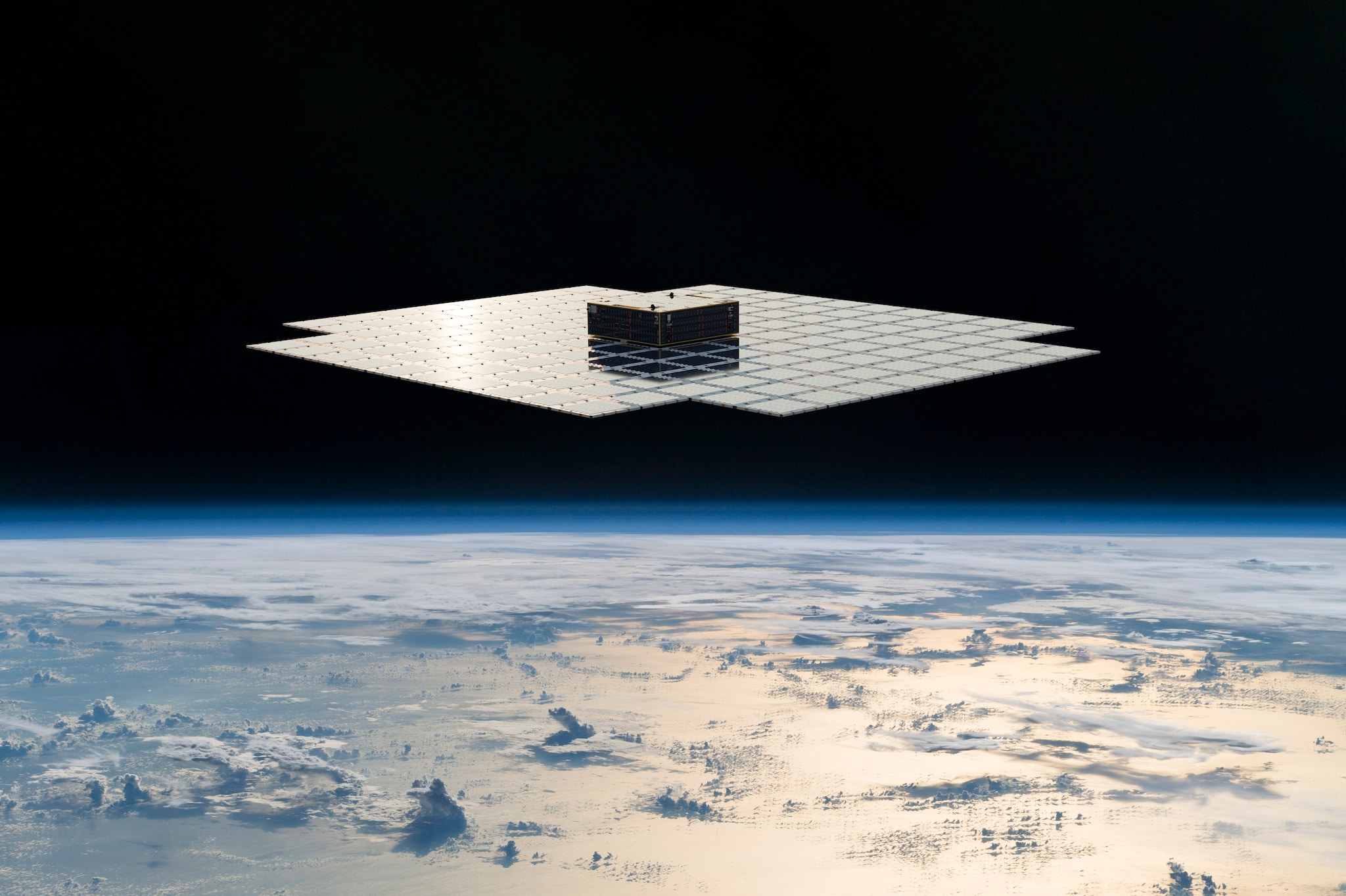
AST SpaceMobile’s BlueBird satellites have deployed into orbit. They are 64 square meters large and will be used to create the first satellite network to connect directly from your smartphone. Several astronomers are already worried about their size.
Once opened BlueBird 1 occupies 64 square meters. And these are the dimensions of the others too four twin satellites who have completed all deployment procedures. They are now in thelow Earth orbit. They are owned by AST SpaceMobile who has invested in this technology to create a broadband satellite network dedicated to smartphones. An innovation, of course, which however also seems to be the beginning of a new problem.
Once operational, the BlueBird satellites will allow you to access a broadband cellular network directly from your smartphone. And this from practically every point of the world. On paper the system is interesting because once fully operational it could become very competitive: AST SpaceMobile would be theonly operator in the world to have this technology.
The difference with the Elon Musk’s Starlink it lies in the access system: with AST SpaceMobile you connect directly from your smartphone, with Starlink you instead need a kit consisting of a satellite dish and router. Explains Abel AvellanCEO of AST SpaceMobile: “The deployment of our first five commercial BlueBird satellites marks just the beginning of our journey.”
The project is now clearer: why the Italian government wanted Elon Musk’s Starlink satellites
The problem of the BlueBird satellites: the sky was darkened
As he points out Passant Rabie on Gizmondo to have such large satellites deployed in the sky can obscure other celestial objects. We have already seen an example in 2022, when a company prototype obscured parts of other celestial objects such as the Moon, Venus and Jupiter with its passage. Not only that. Its size made it even visible to the naked eye: making it as bright as some of the brightest stars in the sky.
Given the crowding that is starting to occur in orbit, let’s think only of the 6,000 Starlink satellites, it is not excluded that the debate on the space industry in the coming years it will also focus on stricter regulation of objects surrounding our planet. He writes Robert McMillanprofessor of astronomy at the University of Arizona: “Artificial satellites, even those invisible to the naked eye, can hinder astronomical observations that help detect asteroids and understand our place in the Universe.”
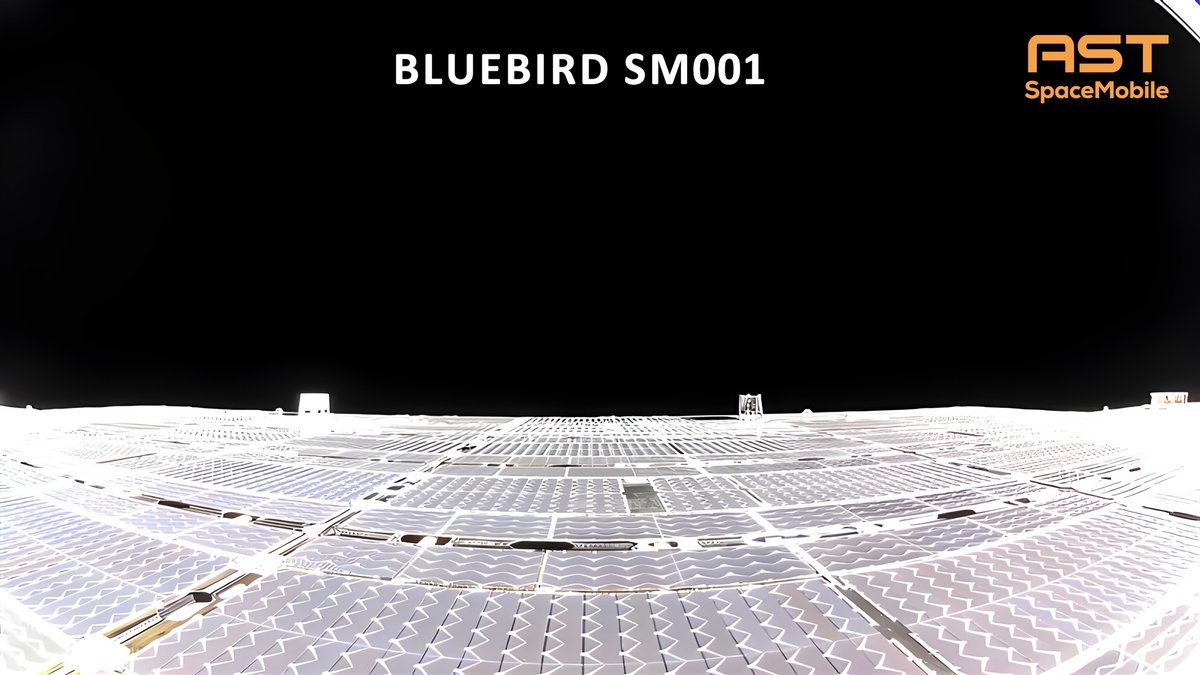
AST SPACEMOBILE | The surface of one of the satellites