
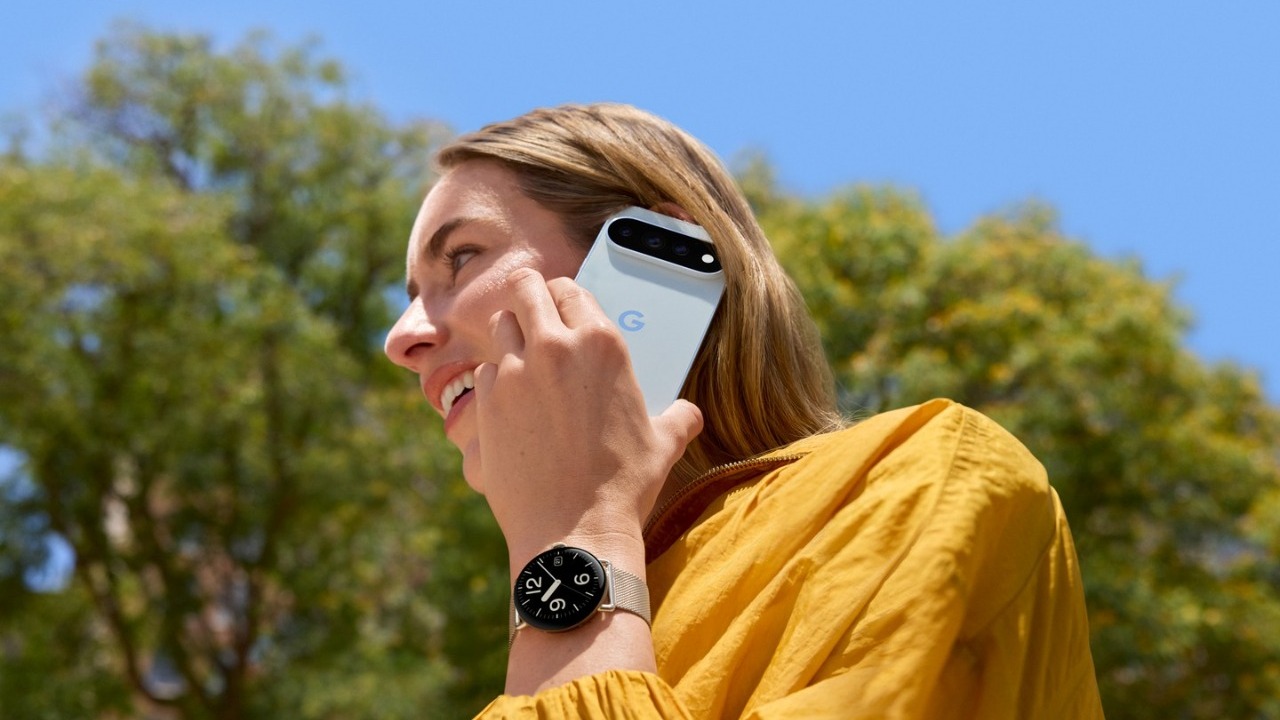
Google has cut the duration of the free trial of Google One AI Pro linked to the purchase of a Pixel 11. Those who choose Pixel 11 Pro, Pixel 11 Pro XL or Pixel 11 Pro Fold (where available) now get six months access included, compared to the twelve guaranteed by the previous generation. The basic model, Pixel 11, however, remains excluded: no free trial in the package.
With the launch of the Pixel 9, Google had made a strong bet on the premium subscription as a sales lever, offering a whole year of free access to the higher plan. The choice responded to a precise logic: to push users to familiarize yourself with Gemini and with functions that, in fact, run in the cloud rather than on the device.
What those who buy the new Pixels lose
The plan Google One AI Pro starts from 21.99 euros per month and includes 5TB of Drive space, access to Google Health Premium, and expanded use of Gemini, including the most advanced models. This last point weighs heavily: on a phone sold on the basis of its artificial intelligence capabilities, not having access to the flagship models risks reducing the real experience.
The free trial, it must be said, is not guaranteed to everyone. This excludes users already subscribed to a Google One plan exceeding 5 TB, those who already have an active Google One add-on, those who are part (without managing it) of a Google One family plan, and those who pay for the subscription through a third-party affiliate.
The downsizing doesn’t come entirely as a surprise. It was expected that such a generous offer would decrease over time, as new features were added to the paid plan. However, the underlying paradox remains: Google is building the launch of the Pixel 11 around the chip Tensor G6 and to the new Gemini functions, but restricts free access to the most capable models, those that should make the generational leap visible.
For Google, however, the move has a clear economic logic: maintaining a whole year of premium access on each Pixel sold has a computing cost that is anything but marginal, and it is reasonable to think that the company is calibrating the benefit based on the real margins of the program, not just the commercial push on new phones.