
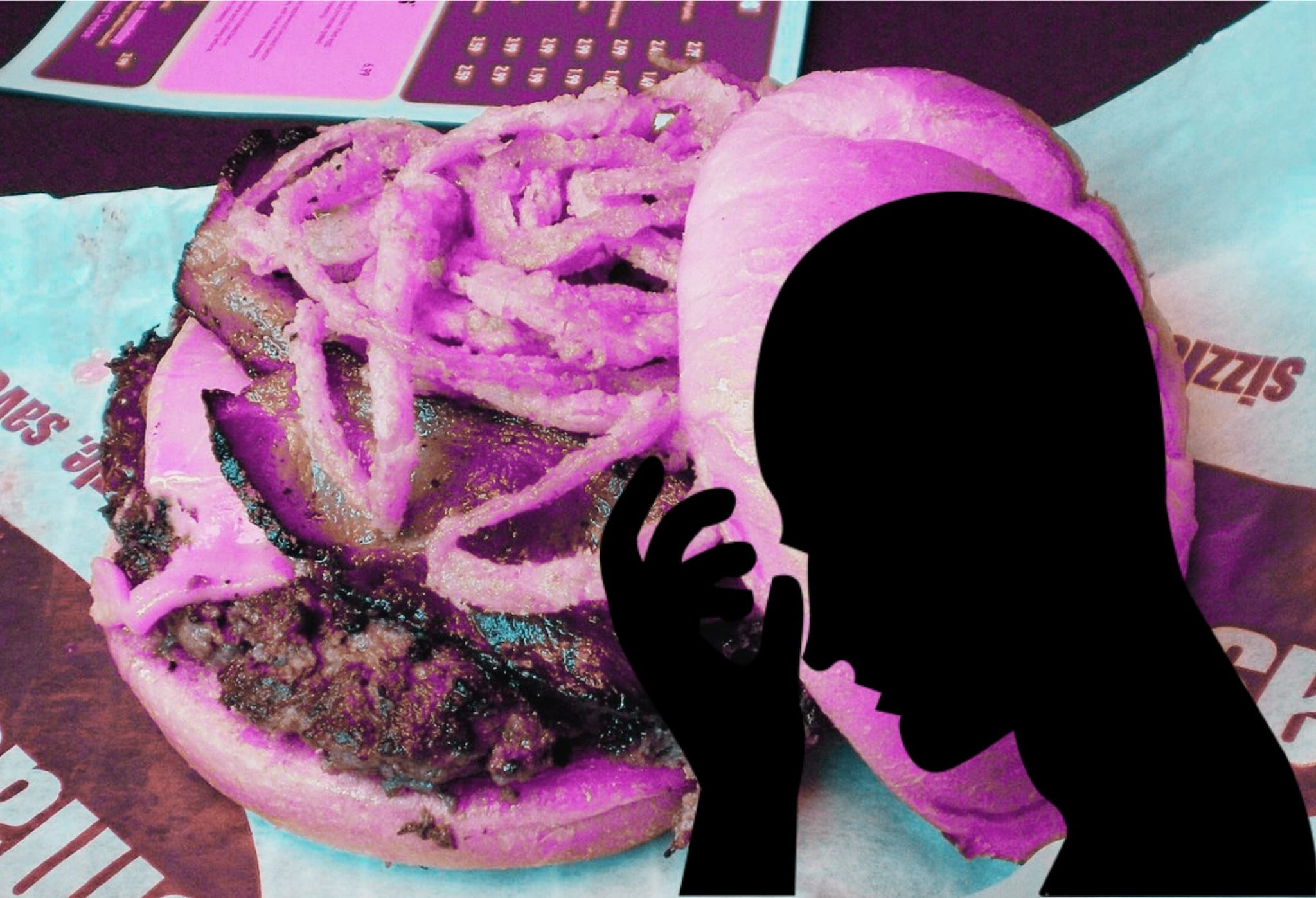
The amount of social content that is dedicated to food has exploded. Especially when we talk about smash burgers. Seeing minced meat pressed on the plate makes me feel nauseous rather than watering.
The latest video download started with theopening of Bukies in Milan. Site number 6 of the chain thrown by Piero Armenti And Gian Andrea Squadrillibetter known on social media as My trip to New York And Jana Italyfoodporn. Usual pattern: creators with many followers who often (or always) talk about food, a simple format to replicate, a graphics package with a massive use of artificial intelligence and marketing built above all on social media. Bukies has a menu focused on smash burgers, burgers crushed on the griddle which increase the crispy surface of the meat. In addition there are cookies, biscuits as big as dinner plates, some fried mozzarella sticksobviously chips and some squares of pork belly put in a bucket as if they were popcorn. To be honest, from the looks of it it doesn’t look bad at all.
I’m not a full-time carnivore. In recent years the amount of meat that enters my diet has been reducing week after week. As I write I have put a Tupperware with in the editorial office refrigerator a pan of tofu and vegetablesnot cooked by me. I only eat meat sometimes, when I go out and I know that a place makes an excellent vitello tonnato or when I’m having dinner at a friend’s house. It’s partly a political choice, partly it’s for someone anti-speciesist affection. The more I read about the animal world, the more I regret finding it on my plate. Burgers are among the exceptions, since I arrived in Milan I think I have tried almost all the places, even those not present on social media. Yet since this colossal opened Nuremburg trials something broke.
I don’t know if it’s just my algorithm, but the amount of content about smash burgers has exploded. I think the transition was more or less this. In a pre-social phase, food criticism was the prerogative of a small group of people, selected by newspapers or guides. Did you want to go to eat in a new city? Look for restaurants in Lonely Planet. Do you have a bigger budget? Check on Michelin Guide or Red Shrimp. Do you love simple cooking? Italian taverns. Then it arrived TripAdvisormy favorite phase. Anyone could review any place. Don’t know the difference between the julienne cut and the brunoise cut? Patience, you can put anyway 0 to a three Michelin star because you found the risotto too al dente. Due to the law of large numbers, the average scores were quite consistent, even if at the top of the city rankings there were always the venues that did street food: lower prices, more customers, more reviews.
Garlasco’s murder becomes an advertisement for a bar: “Alberto came to visit us”
And then social media arrived. First there was the era of food blogger (or food creator, you name it), reviewers who not only left a comment but also published a video, to the point of making it a profession in many cases. Then the owners of the restaurants themselves began to publish videos of what they cooked. Why pay for advertising when you can use your downtime? And up to this point, with some effort, the level of saturation in the algorithms was also manageable. The problem is that at a certain point food bloggers started opening places, and the owners of the places started publishing videos in which they reviewed other places.
The amount of content has exploded. The opening of Bukies had comparable coverage to the Superbowl. There were videos of the two owners, videos of food bloggers, videos of normal customers crowded outside the venue and we imagine that soon we will also see videos of owners of other establishments attracted by the possibility of making new content appear. Ah, one specific thing, for a long series of reasons the variety of restaurants that focus on this type of communication is quite limited. A good percentage of this constellation is occupied by places that deal with sandwiches, specifically smash burgers. We explained it better in this analysis.
Well, the saturation of all this communication has reached an absolutely opposite effect in my receptors. The close-ups of the sauces that come out in the space between the potato bun and the cheddar, the adjectives used inappropriately (why does bacon always have to be “devastating”?), the sounds of chewing amplified by the DJI microphones, the bling of the edits with CapCut Pro and the backlit analysis of the Maillard Reaction created a feeling for me slight nausea. I don’t want to see any more burgers for a while. I’m going to eat mine tofu.