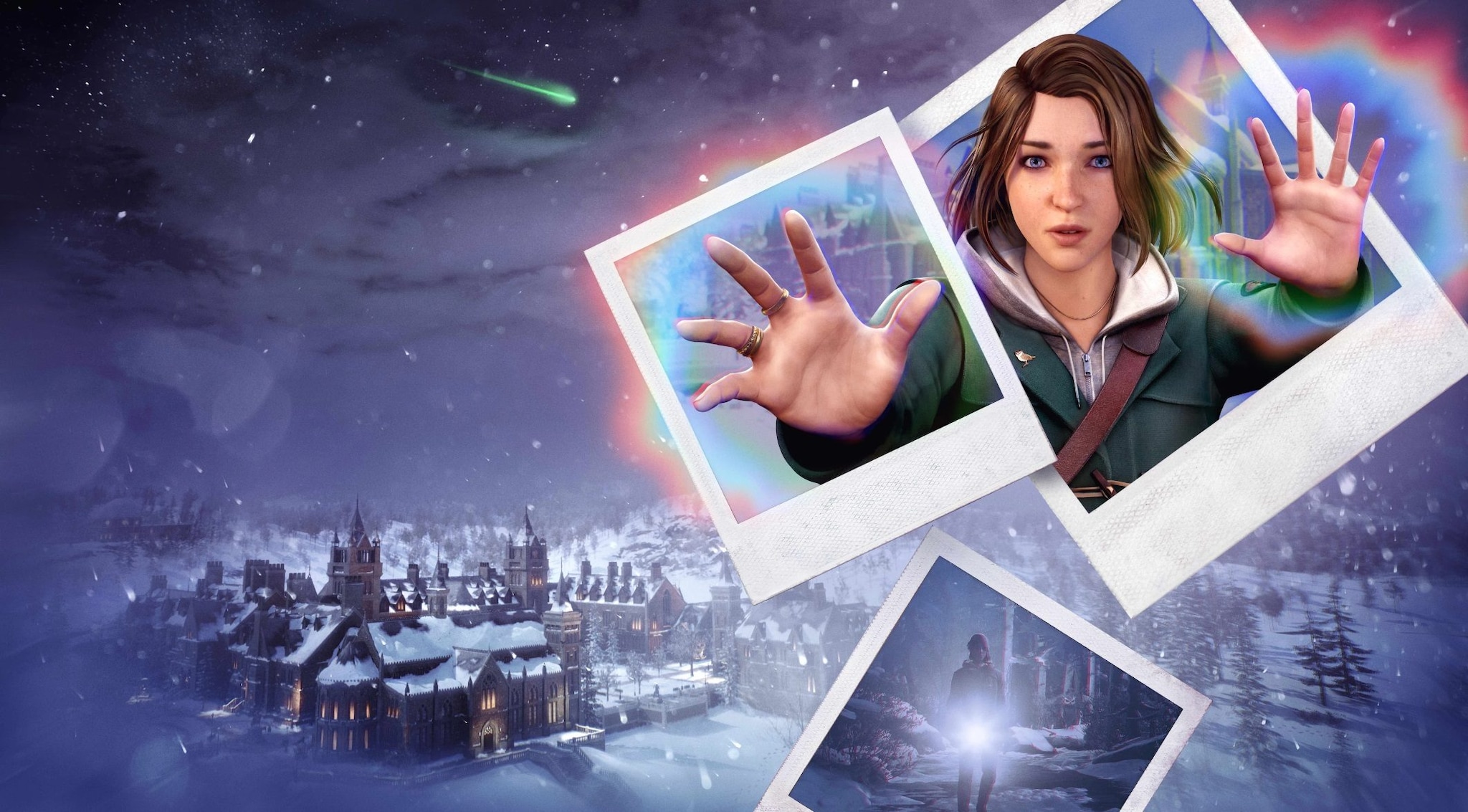
Available October 29 on PlayStation 5, Xbox Series A special occasion because the first protagonist of the now iconic franchise returns, Max Cauldfield, now grappling with a new mystery.
It’s the October 20, 2015. The last episode of has finally been released Life is Strange, Episode 5: Polarized. After about three months of waiting, the public can learn about the epilogue of Max and Chloe, two teenagers linked by the power of time travel. A supernatural thriller-style story set in Arcadia Bay, a fictional town in Oregon. The soundtrack to the many twists and turns is a careful selection of indie rock songs that includes Alt-J, Foals And Syd Matters.
It seems like a TV series, but in reality Life is Strange is a video game, in detail a graphic adventure. This means that Max and Chloe’s story progresses according to the decisions of the player, until reaching an ending of your choice, one of the most memorable in the history of video games. It is precisely thanks to this particular mix drawn from streaming serials that the first Life is Strange became a cultawarded at the time as “Best Story” at the Bafta Game Awards and “Most Impactful Game” at The Game Awards.
A success never replicated by the subsequent chapters of Life is Strange, other supernatural thriller-style graphic adventures set in the provincial United States, but with new characters and stories. This might explain why the new Life is Strange: Double Exposure resorts to its historical protagonist, Max Caulfieldto try to capture the attention of old and new audiences and breathe new life into the Don’t Nod and DeckNine franchise.
We tried Call of Duty: Black Ops 6, the game works and Bill Clinton even appears in one mission
Life is Strange: Double Exposure thriller
Max and photography are one and the same. Not by chance Life is Strange: Double Exposure opens with her and her best friend Safi in an abandoned bowling alley, a place full of memories to immortalize with polaroids. This is not a homework assignment, but a personal research. Max indeed she is now a young woman who teaches photography at Caledon, a prestigious university in Vermont dedicated to the art. When he’s not in class or in the darkroom of his mansion, he goes to Turtle, a place full of graffiti, rainbow flags and beer. Local independent bands perform there. I mean, it looks like Max lives in a little utopia where science, art and freedom are the pillars. Yet his micro paradise is ready to be overturned bymysterious murder of Safi. It is on that occasion that Max manages to reawaken his supernatural powers after years of silence.
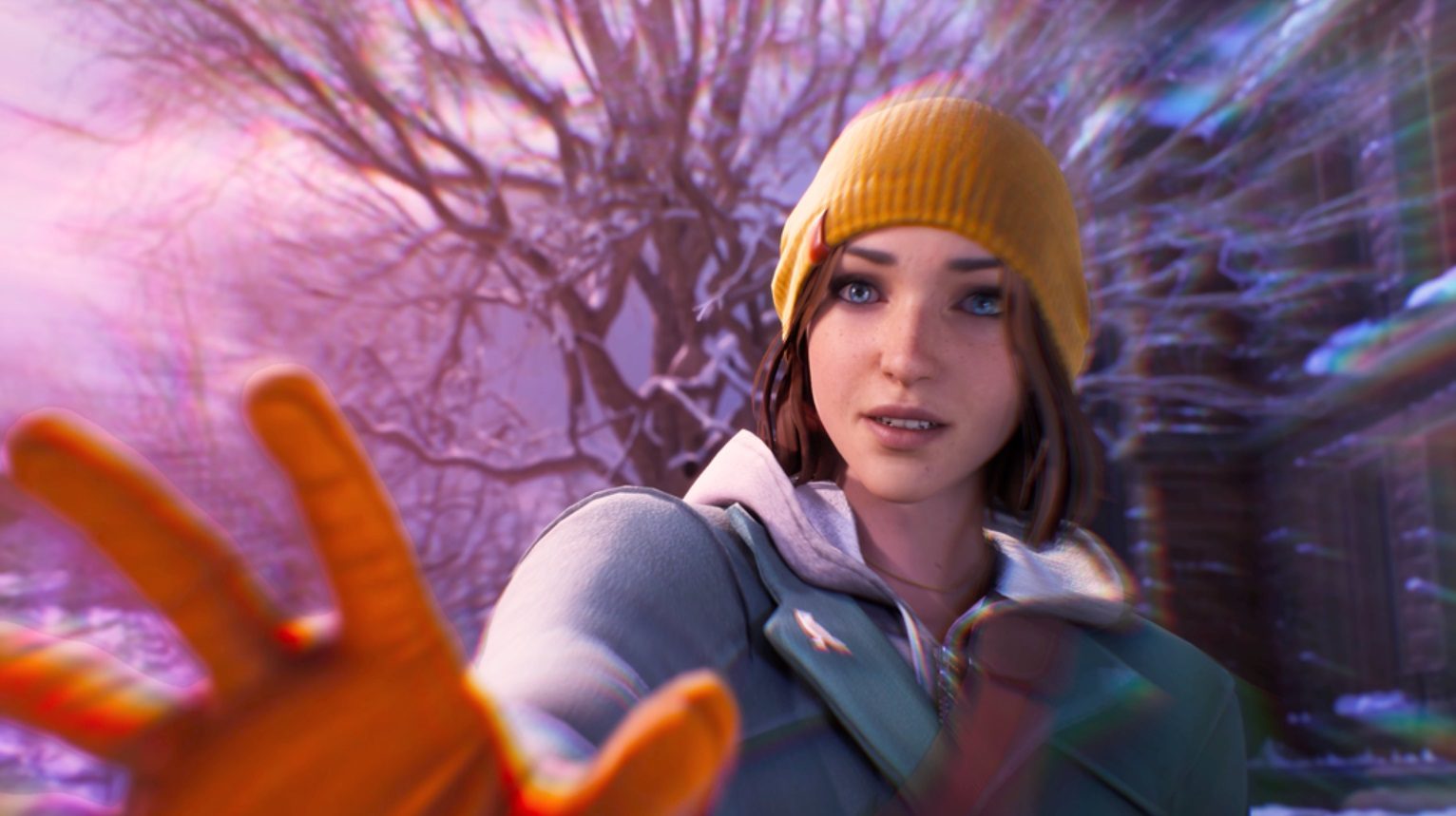
LIFE IS STRANGE: DOUBLE EXPOSURE | Max can switch between realities to investigate.
This time, however, he doesn’t rewind time, but opens a parallel reality in which Safi is alive, although still in danger. Thus begins an investigative adventure divided into the canonical 5 chapters, now published all at once. A story of investigations and skills that break time and space, which grows in intensity chapter after chapter. This is enhanced by one quality of facial expressions very high. In fact, despite the comic-style graphic style, Max and NPC’s looks and smiles capture attention, giving greater depth to their character.
In terms of gameplay, Max can switch between timelines via specific points in the environments. To find them, just follow the sort of increasing hiss until you find some small lights. Once passed from one world to another, Max can interact with different characters and objects, depending on the reality of reference. An expedient that also proves useful for enter inaccessible areas, listen to private conversations or, sometimes, even to hide from prying eyes.
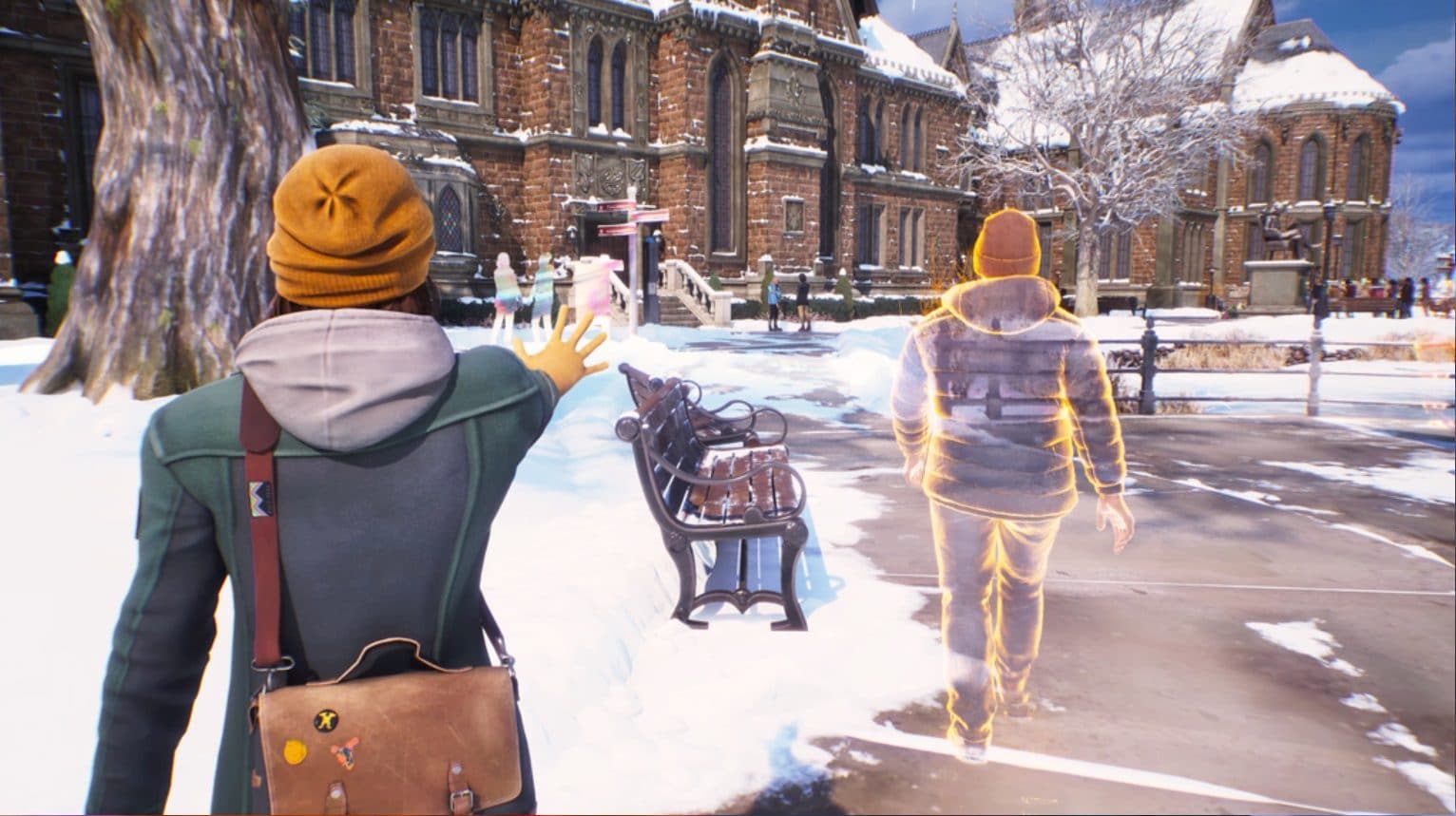
LIFE IS STRANGE: DOUBLE EXPOSURE | Even though he is in one reality, Max can sense what is happening in the opposite reality.
That’s because Max can anyway perceive the sounds and presences of both realities. You just need to press a button, in the case of PlayStation 5 “R1”. The core of the gameplay, however, remains the choices at crossroads, through which to shape the relationships between Max and the rest of the cast of characters, if not the game plot itself. You can often break the rhythm by consulting your diary, messages and social profiles, which is useful for delving into the dynamics of Caledon. A slow gameplay based on walking exploration, dialogues and collecting collectibles.
Life is Strange between past and future
The merit of DeckNine, the studio that took the reins of the Don’t Nod franchise, is that of having been able to characterize Max in a way that is faithful to the original chapter but still more mature, considering that she is now a young career woman and no longer a high school student. The rest of the characters also present themselves in an interesting way, thanks also to a setting which, although poor in variety, is well characterized, according to the hipster style typical of the series.
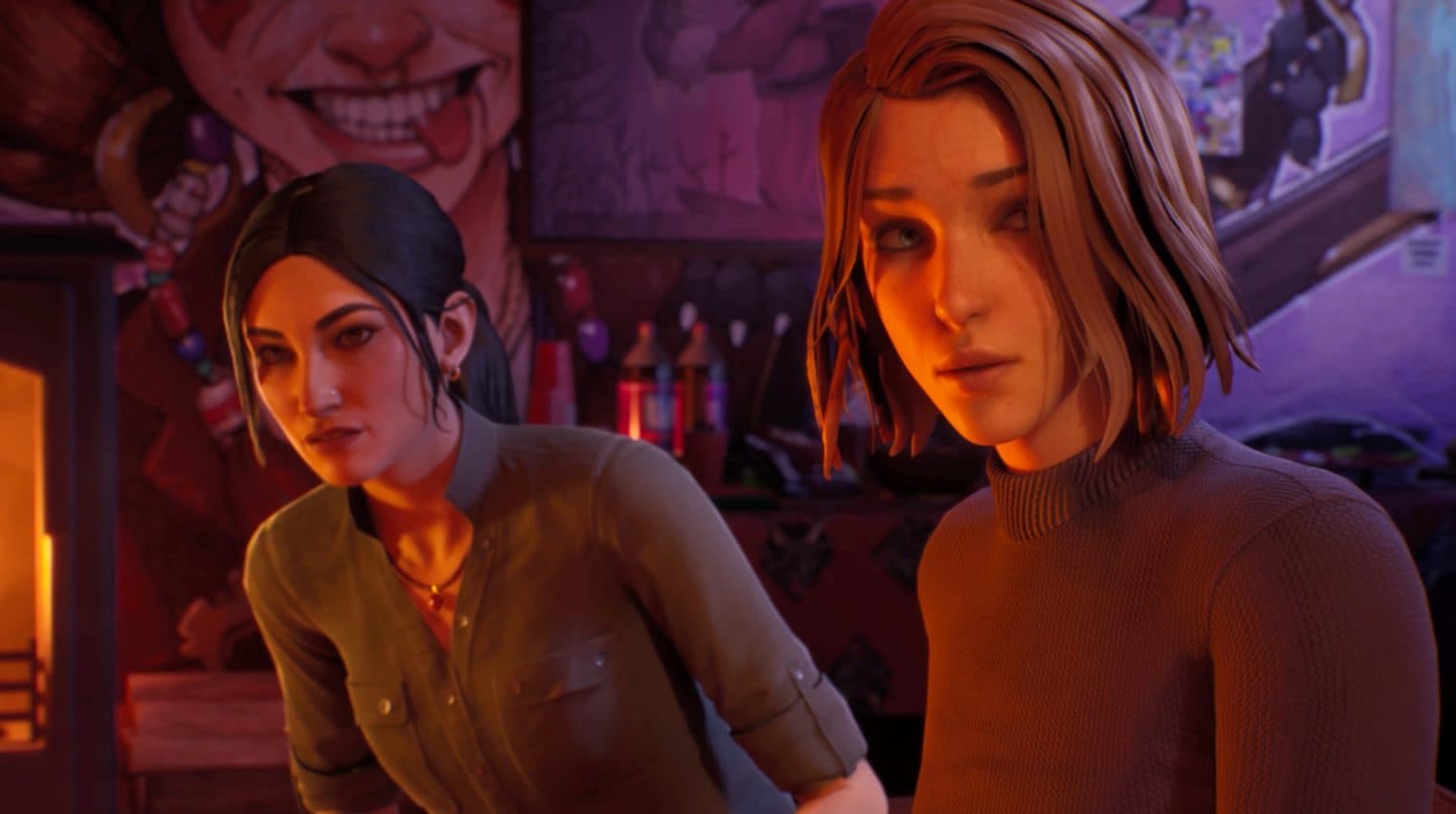
LIFE IS STRANGE: DOUBLE EXPOSURE | The attention to settings and expressions of the characters is evident above all in the details.
Other classic elements of the franchise remain but reinterpreted here, such as the educational context, in this case university, provincial America, here young and progressive, and the relationships with people as the fulcrum. In Life is Strange and Life is Strange 2, which are the chapters written and developed by Don’t Nod, these relationships serve as a device to offer a crude mirror of the United States post-American Dreamthose in which there is alcohol and drug abuse, Trumpist anger, fear of what is different.
Life is Strange: Double Exposure mitigates all thisfocusing exclusively on the investigations and relationships between the characters, expressed mainly in a friendly or romantic way. It never delves deeply into their lives, but limits itself to bringing out personal issues that hide important themes – suicide, self-acceptance, professional competition – as a backdrop to Max’s events. An approach already seen both in Life is Strange: Before the Storm that in Life is Strange: True Colorschapters both written and developed by DeckNine.
The result, also in this case, is therefore a “lighter” thriller. Life is Strange: Double Explosure does, however, do something revolutionary: it marks the beginning of a new path for the franchise, increasingly resembling a Netflix teen drama in terms of relationships, settings and themes covered, making clear the desire to reach a target younger and more accustomed to binge playing.