
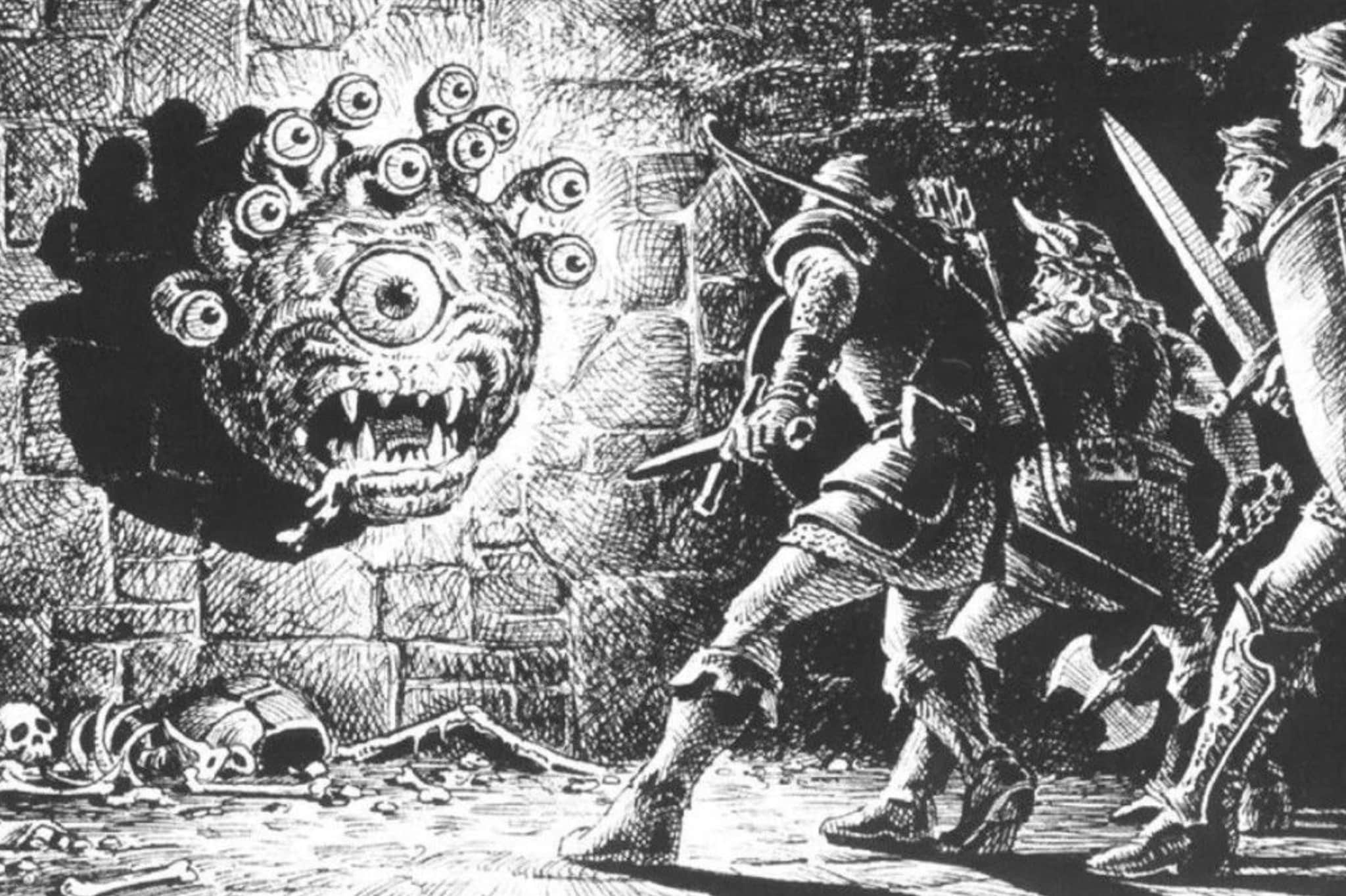
A map drawn in pencil. A dice a twenty faces. Meanwhile, the master’s voice describes a damp corridor, a distant noise, a torch that barely illuminates the walls. It’s up to the players around the table, each with their own character to play, to overcome all this through imagination and intuition. Originally, Dungeons & Dragons was this: a game born in the early seventies, grown in garages and cellars, then spread until it became a pop phenomenon thanks to series like Stranger Things and The Big Bang Theory.
Today, a few months after the arrival of the latest official edition of Wizards of the Coast, characterized by updated rules and new game manuals, a part of the community chooses to look back, towards a more immediate, cruder, more risky way of playing. It’s the Old School Renaissance, a conscious return to the roots of role-playing.
What is Old School Renaissance
The Old School Renaissance – or OSR – was born as a reaction to the complexities of the modern game. Detailed regulations allow for structured campaigns, but can limit spontaneity and creativity. The OSR instead offers streamlined cards, essential rules and a philosophy based on the player’s ingenuity, uncertainty and continuous tension. Here the characters are not heroes predestined to victory: death is possible, often probableand every die roll can turn history on its head. AND a rougher but more direct way of playingwhere drawing a map on paper or improvising a solution becomes part of the pleasure.
The test that revealed how we behave when the world is about to end
In recent years this scene has expanded thanks to indie titles like Old-School Essentials, or even more essential games like Knave, which dispense with character classes, limit magic and make death a constant companion. Then there is an even more extreme example Mork Borga Swedish manual that combines metal aesthetics, acid colors and a world on the brink of apocalypse. An Italian studio, Morbidware, is developing the video game, Heresy Supreme, arriving in 2026.
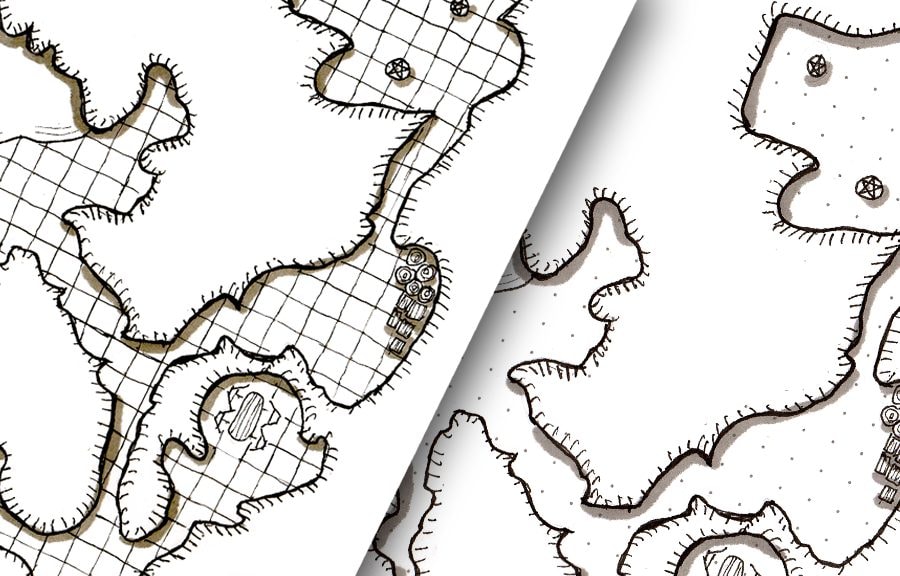
OLD SCHOOL RENASSAINCE | An example of hand-drawn maps.
Online culture has also contributed to bringing this imagery back to the fore. Content teaching how to create dungeons “the old fashioned way” is increasing on TikTok and YouTube. Channels like Questing Beast, Dicebreaker or the Italian Loot & Roll tell the rules of 1974 with a visual language made of memes and irony. It’s an unexpected but effective combination, which transforms nostalgia into digital content. Even those who have never rolled a D20, the aforementioned twenty-sided die, now recognize this aesthetic made of hand-drawn maps, faded manual covers and colored dice: a minimal imageryalmost vintage, which reminds us that imagination is enough to build an adventure.
There’s also old school gaming
In recent years, even the gaming world has been overwhelmed by this fascination with the past. The new generations are rediscovering – and appreciating – pixel aesthetics, intuitive game mechanics and 8bit music. Just like the first Nintendo titles. According to an analysis by Guardianthe retro style especially captures younger players, who did not directly experience the era of 8 or 16 bit consoles but find in those games a form of stability and comfort, almost a break from the contemporary digital frenzy.
In this space, titles such as Stardew Valley coexist, which through pixel art offers a bucolic refuge. Dave the Diver, capable of mixing irony and daily routine. Undertale, which transforms minimalist graphics into an innovative narrative force. And then there are productions like Celeste, Shovel Knight, A Short Hike or Eastward, which reinterpret the visual language of 80s and 90s with modern sensibilities. The result is a wave of intimate, artisanal experiences that choose simplicity not as a limit but as a style.
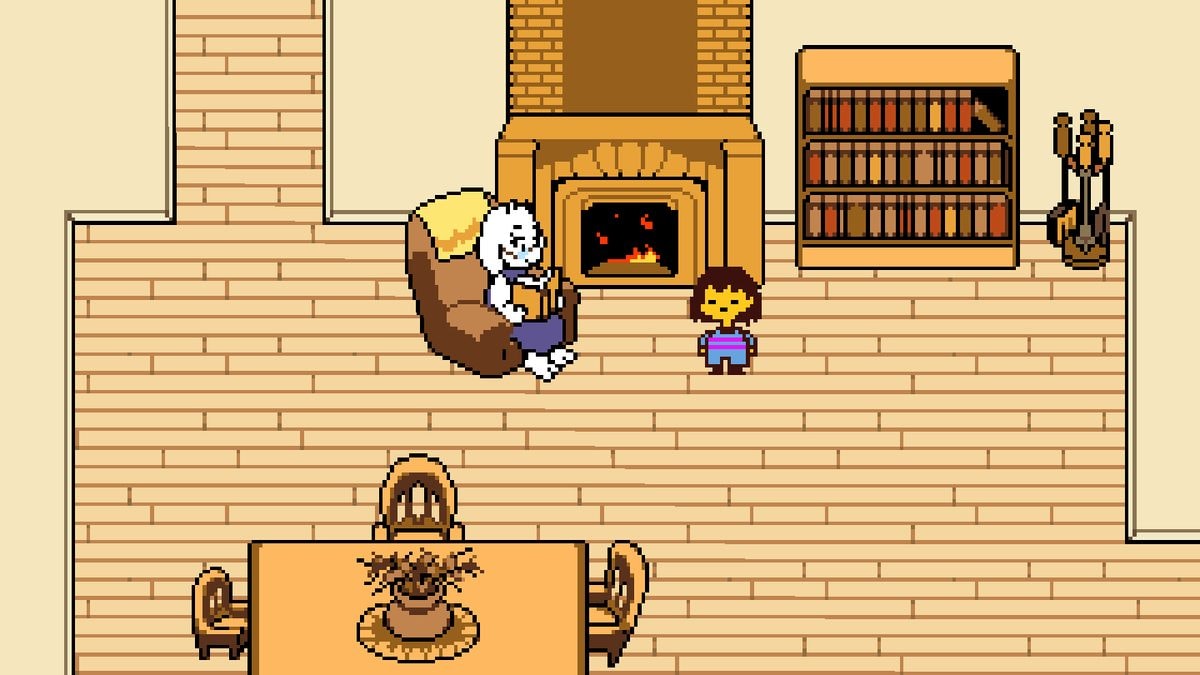
OLD SCHOOL RENASSAINCE | A screen from Undertale, Toby Fox’s masterpiece.
The return to “old-school” practices, whether around a table with manuals or in front of a pixelated screen, is not a nostalgic exercise but a precise cultural choice. It is the desire for experiences in which the unexpected is not a mistake to be corrected but a spark to follow, in which creativity does not depend on technology but on imagination and slowness becomes fundamental to savoring every moment. In a frenetic era that tends to predict everything, the rebirth of retro reminds us that gaming, to be truly alive, needs imperfect, open and unpredictable spaces. The same ones that, today as yesterday, trigger that wonder that pushes us to roll the dice or press “Start”.