
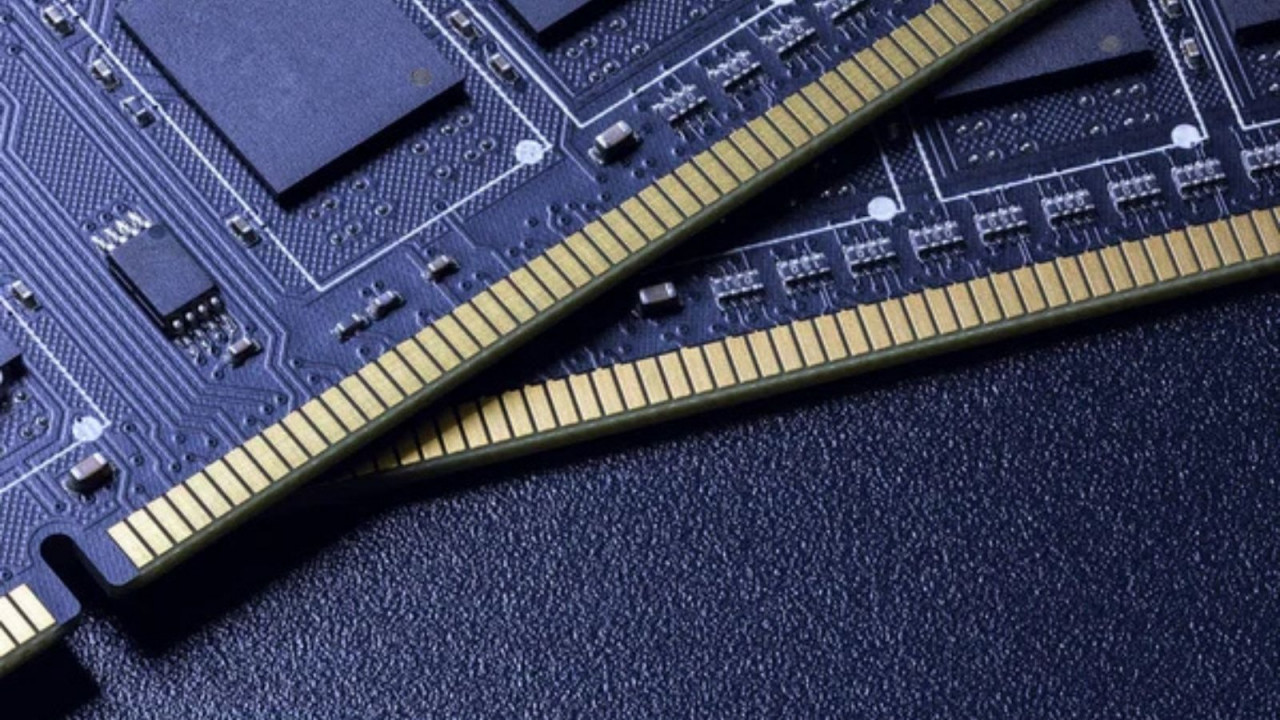
The smartphone market in China is witnessing a singular phenomenon linked todramatic increase in memory prices. According to recent rumors coming from South Korea, including reports from the ChosunBiz newspaper, Chinese device manufacturers are starting to use recycled RAM chips.
“Creative” recycling against expensive memories
These components come physically unsoldered from old phones, PCs and servers to be later reused within newly produced smartphones.
At the moment, the use of this recovery components seems mainly limited to the automotive segment entry-level smartphone.
This segment, especially considering the latest increases in memory pricesis in a very delicate situation and risks disappearing completely.
The crisis is making itself felt: are there no more memory modules?
The practice arises in response to a specification supply shortage in the LPDDR memory market. The semiconductor industry is in fact giving absolute priority to the production of high bandwidth chips (HBM), which are much more profitable and intended for use in data centers.
This price dynamic has pushed Chinese manufacturers of cheap smartphones to adopt extreme recycling solutions to maintain sustainable profit margins. Paradoxically, the massive use of recovered DRAM modules has allowed some Chinese brands to revise their sales targets upwards, after having previously cut them in the spring due to high costs.
The problems of “old” memories
From a hardware reliability perspective, recycled DRAM modules feature notable critical issuesas they may already have five to six years of life behind them. Manufacturers are confident that these components can operate for an additional five or six year cycle, although such aging can lead to a drastic increase in memory errors in the long term.
And transparency?
Finally, the question of commercial transparency. The reports do not explicitly indicate which companies are adopting this strategy, leaving it unclear whether China’s top five international manufacturers (Huawei, Honor, Xiaomi, Vivo and Oppo) are directly involved. Above all, there is no trace of official statements aimed at consumers, who find themselves purchasing devices sold as new but containing components with years of previous wear.