
New York City Public Schools, the largest school district in the United States, has launched a moratorium on the use of generative artificial intelligence which covers the entire cycle from kindergarten to eighth grade. The measure starts with the school year 2026-27 and affects over half a million students.
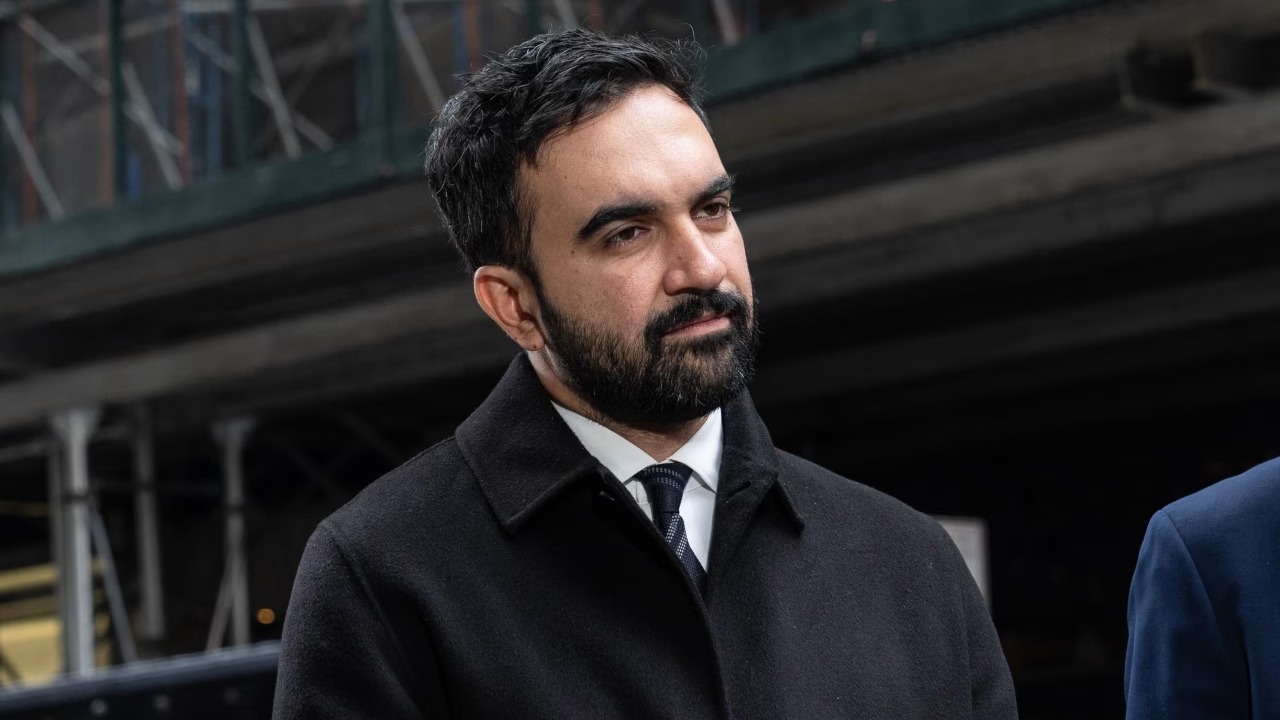
The provision eliminate any software aimed directly at students that is based on generative models and explicitly bans i chatbot companionassistants designed to establish an ongoing relationship with those who use them. Among the first victims of the squeeze is Amiraan assisted reading platform that will be discontinued, while Google Gemini is disabled on school devices. The mayor Zohran Mamdani he explained the choice without mincing words.
“The tech industry wants us to believe that AI-powered primary education is not only inevitable, but necessary”Mamdani said. “We don’t think so”he added, announcing that the district will spend the next year “studying the impacts of this technology” before making final decisions.
Mamdani bans AI from schools, but high schools remain outside the ban
The block it does not affect high school students. For them the district has chosen the opposite path: AI literacy courses twice a year, designed to develop critical thinking before children begin to “rely” on the tool. In parallel, five pilot programs will start with selected platforms, under the supervision of teachers, to verify whether controlled use brings real benefits to learning.
The crackdown on software is accompanied by indications on the time spent in front of screens in general, not just with AI. Very restricted individual use policies apply to students from the second grade onwards, while from the third to the fifth grade the recommended limit is 30 minutes a daywhich rise to 45 minutes between the sixth and eighth grades.
The head of the district, the Chancellor, also intervened to motivate the imposition of the measure Kamar Samuels: “Over the next twelve months we want to drive the process with hard data, ensuring that technology serves learning and not the other way around.” A sentence that sums up the administration’s posture well: no ideological rejectionbut the explicit request for tests before letting generative tools permanently enter the education of the little ones.
We do not yet know whether other American districts will follow the same cautious approach or whether, as already happened with the bans on smartphones in the classroom, the measure will remain an isolated case linked to the specific political line of the New York administration.