
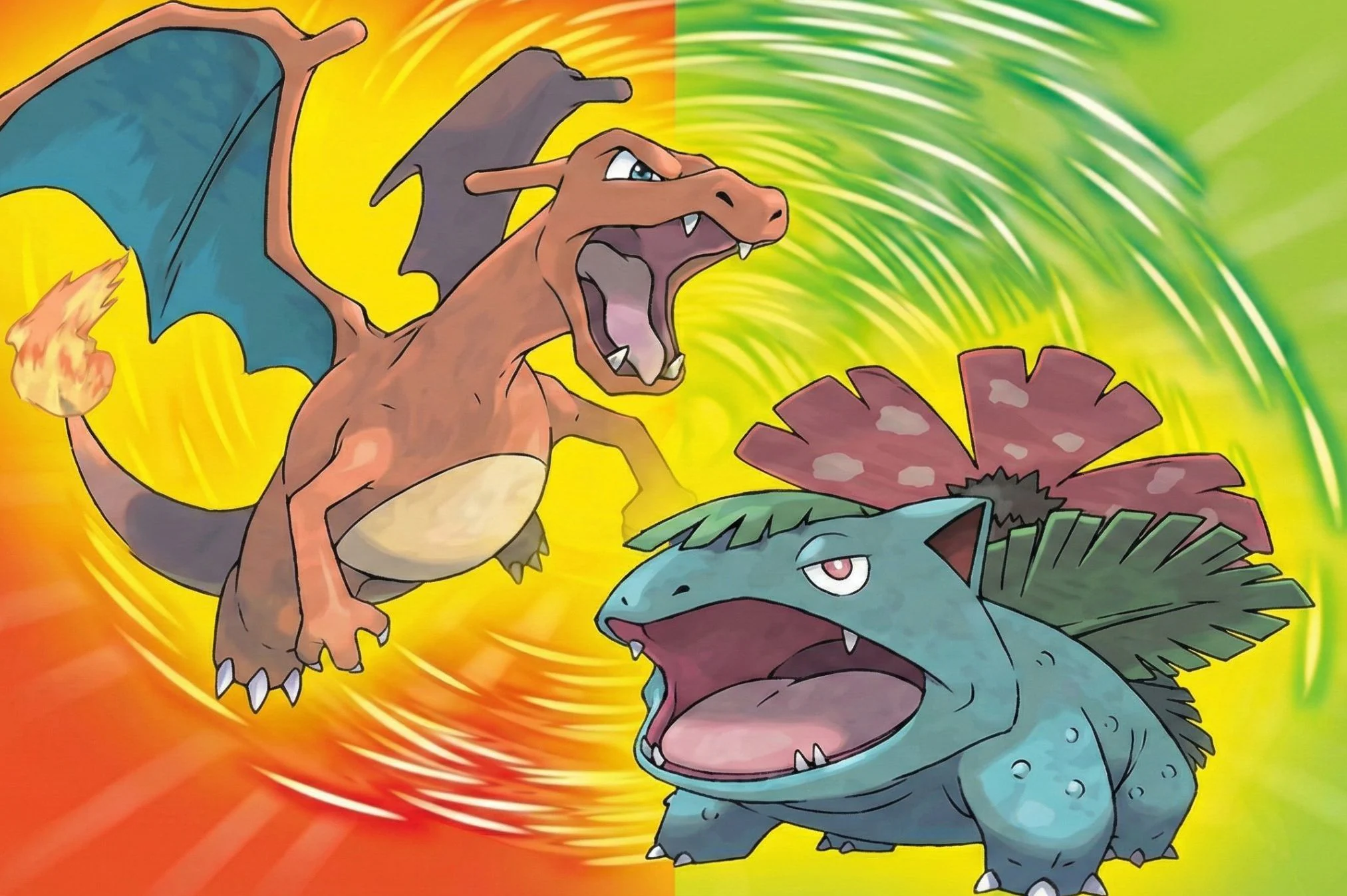
Charmander, Squirtle or Bulbasaur? For many people, not a simple game choice but a small generational trauma consumed in front of the Game Boy screen. Now that dilemma is ready to arise again: next February 27th, Pokémon FireRed and Pokémon LeafGreen return in digital versions on Nintendo Switch and the new Switch 2. The announcement comes from The Pokémon Company. The cost of the operation will rise to 19.99 euros per versionunlike the 9.99 euros required for the classic first and second generation chapters offered on Nintendo 3DS
Originally released on Game Boy Advance in 2004, the two titles represent the remake of the very first games published in Japan in 1996, Pokémon Red And Pokémon Blue. The return to digital format thus becomes not only a nostalgic operation, but also the opportunity to make a fundamental hub of the history of video games: the consecration of mobile role-playing. In terms of content, the presence of the local multiplayerboth for the fights and for the exchanges, a central element of the experience since the beginning of the series. News also on the language frontsince the selector is no longer internal to the game.
This means that each linguistic variant is sold as separate packagewith five different versions for each title, including Italian. In other words, if you purchase the Italian edition you cannot change the language within the game, but you have to buy another version with the desired language. A choice that can make the purchase less immediate for those who are used to changing languages directly from initial menu. The expected launch is on February 27, 2026 coincides with the date on which the Pokemon Daythe anniversary of the series’ Japanese debut.
Google’s tool for creating an entire video game in a few seconds: how Project Genie works
Pokémon turns 30: the franchise born from Satoshi Tajiri
The idea for Pokémon takes shape in the early nineties from the mind of Satoshi Tajiripassionate about insects since childhood. Growing up on the outskirts of Tokyo during Japan’s economic boom, Tajiri observes how urbanization progressively erases the natural spaces in which he collects and trades beetles. This is where the intuition that has now become history was born: recreate that experience of discovery and exchange in digital formatthrough pocket monsters. With the support of Ken Sugimori due to the design of the creatures and the collaboration of Nintendo, the project takes shape on the Game Boy, using the link cable in an innovative way to encourage exchanges between players.
When they come out in Japan in 1996Pokémon Red and Green start with modest sales, but word of mouth quickly turns them into an overwhelming success. The introduction of 151 collectible creatures, the open structure of the adventure and the idea of ”catch them all” become a cultural phenomenon that goes beyond the boundaries of video games. Within a few years came the anime, the collectible card game and an international expansion that led the brand to establish itself as one of the most profitable in global entertainment. If we only take into account the sales of Pokémon video games since 1996, we are talking about a turnover that exceeds 100 billion dollars.
Thirty years after their debut, the return of FireRed and LeafGreen demonstrates how that simple idea – capture, train and trade creatures – continues to hold up over time. And how much, despite technology and the market changing radically, the initial choice between three little monsters still remains a rite of passage for entire generations of players. Just a few days ago a trading game card sold for over 16 million dollarsshattering every previous record.