
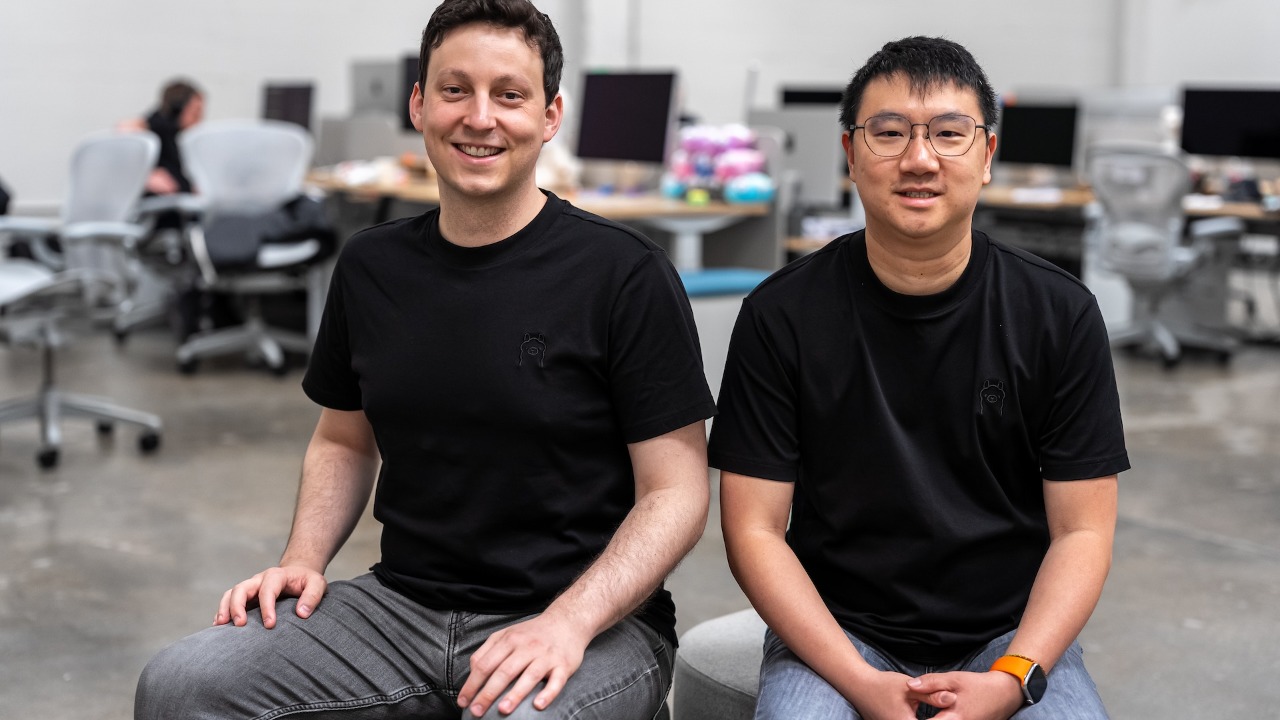
Ollama has closed a Series B round since 65 million dollarsled by Theory Ventures. Founder and CEO Jeff Morgan confirmed this, specifying that the operation follows the previous $15 million Series A led by Peter Fenton of Benchmark. The total raised by the company thus rises to 88 million dollars.
Morgan founded Ollama together with Michael Chiang in 2023. The two are not beginners: they had already built Kitematic, the startup then acquired by Docker and became the basis of Docker Desktop, now used by over 10 million developers. A curriculum that convinced Fenton to lead the previous round and join the company’s board.
The project allows you to download and run open-weight models directly on your computer in a few minutes, without the technical complications that have slowed their adoption since 2023, when these models were designed more for researchers than developers. The repository on GitHub matters today 176,000 stars and almost 17,000 forks. Ollama also offers a tiered cloud service, from the free tier up to $100 per month, with billing based on GPU compute time and not tokens consumed.
Ollama gets a new round of funding
According to Morgan, the real test for the business came in January 2026, when the explosion of OpenClaw demonstrated that larger open-weight models could handle complex agentic tasks, starting with writing code. Since then, according to the company, more and more enterprises with high inference costs have begun to shift part of their workloads to open models, reserving proprietary ones for more targeted use.
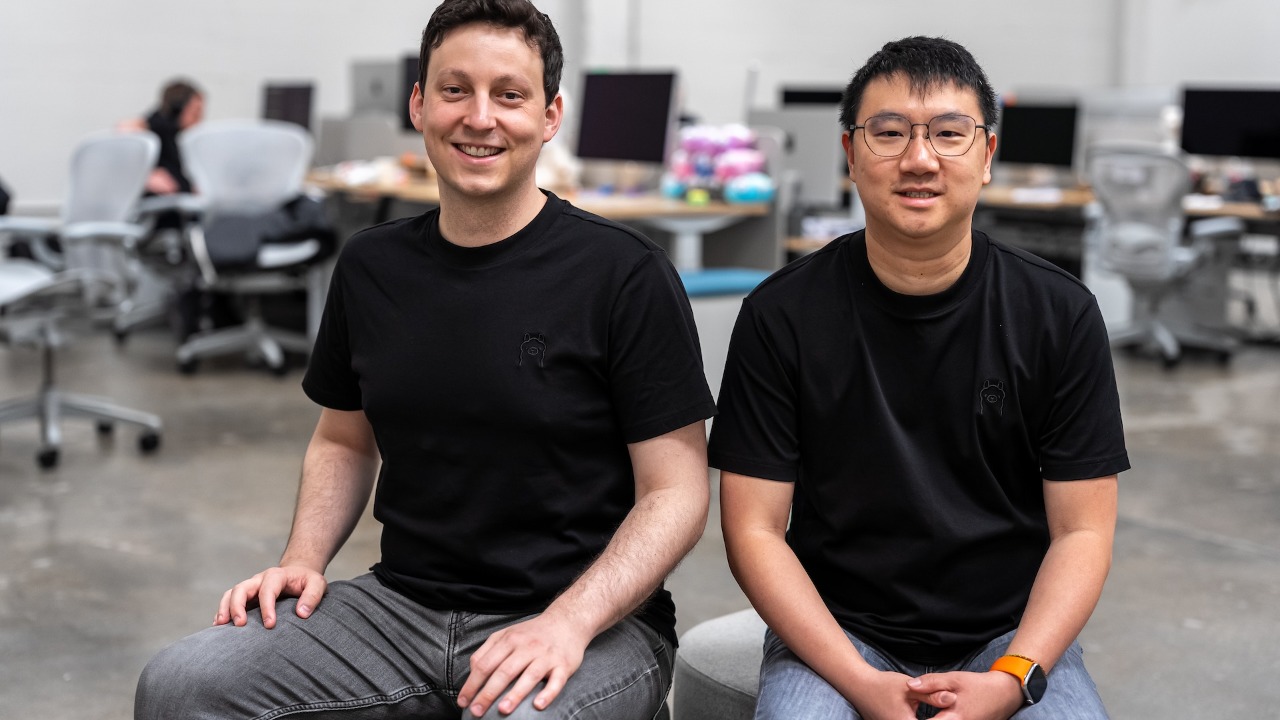
However, Fenton rejects the interpretation of a direct clash between the two business models: “It’s not a choice between open and closed”he said of the debate, noting that there is room for both approaches in the market. In the official announcement, the company claims to already be the largest developer network in the open ecosystem, with over 67,000 community-created integrations and agreements with major model labs and hardware manufacturers.
Not all incumbent users welcomed the commercial breakthrough. About a year ago there were criticisms that the cloud service would divert resources from the original open source project, a case often cited as an example of “enshittification” developer tools. Morgan counters that the cloud is simply an extension of the original mission: to help developers find the computing power needed for larger models that are too heavy to run on a regular computer.