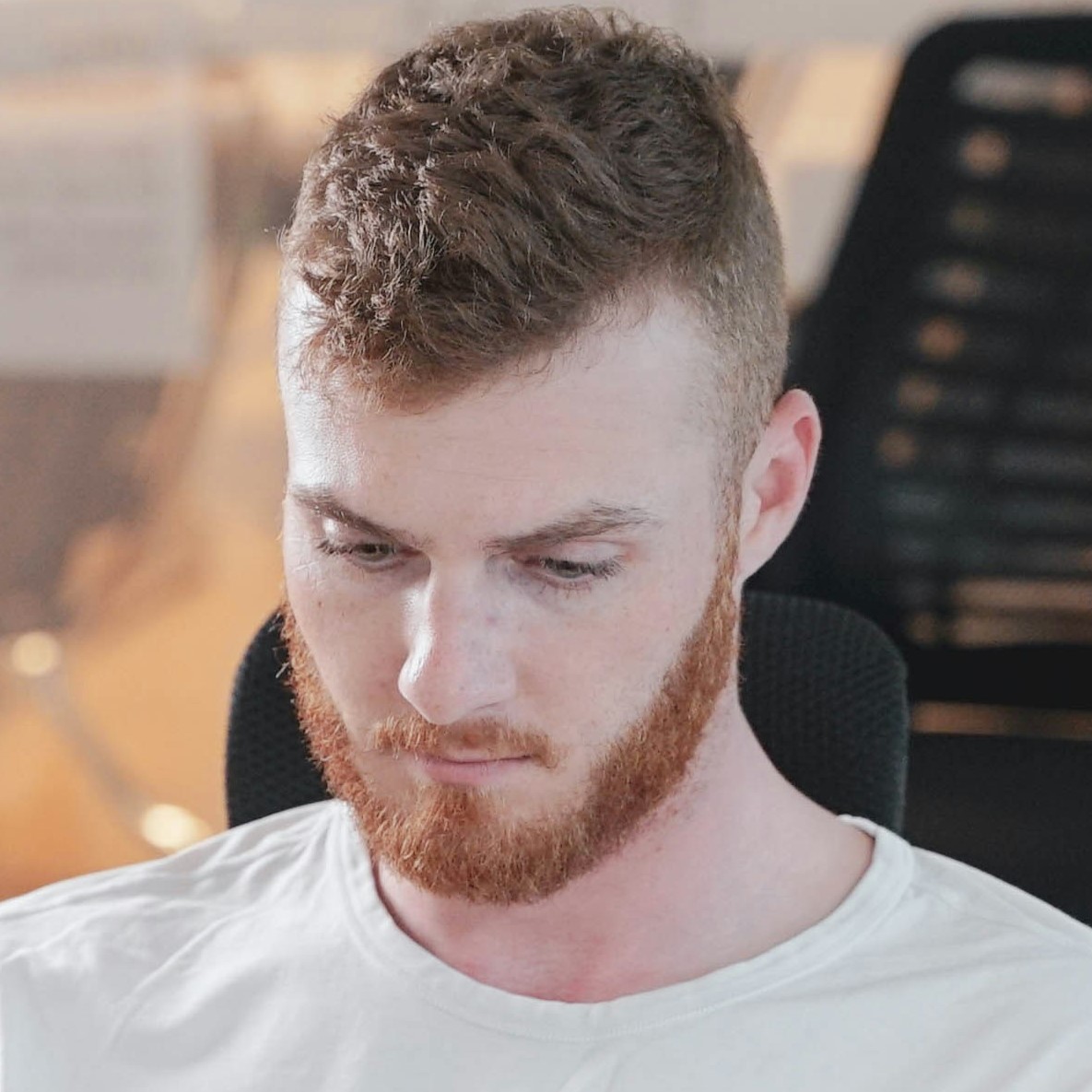
OpenAI replaced the business summit after eight months. Denise Dresser leaves the role of chief revenue officer “to devote himself to other opportunities”, the company announced on Thursday, and will remain for a transition period alongside the commercial team; takes over in his place Dali Rajicpresident and chief operating officer of Wiz. Dresser arrived in December after more than a decade at Salesforce, where she was named CEO of Slack in 2023.
The release comes two days after that of Brad Lightcapeight years at OpenAI, four of which as chief operating officer before the move to special projects, and it was Dresser who took over part of his work after that move. In the previous weeks they had left Fidji Simo and Kate Rouch, who led marketing. Greg Brockman, co-founder and president, took on a larger management role following Simo’s departure.
Dali Rajic, new Chief Revenue Officer for OpenAI
With Dresser’s we are at ten exits from top roles since April: Also on the list are Kevin Weil from Product, Bill Peebles from Sora Architecture, Johannes Heidecke from Security, and Chloé Bakalar from AI Ethics.
OpenAI also announces that it has started a collaboration with Chad Peets e RPT Partnersa company specializing in the selection of commercial executives, to set up what he describes as a world-class sales team. In short, the replacement at the top is accompanied by the restructuring of the corresponding division.
The mandate entrusted to Rajic
Rajic led Wiz as president and chief operating officer around the time Google agreed to acquire from 32 billion dollarsthe largest in its history, closed in March. Before that he was president and chief operating officer of Zscaler and chief customer and revenue officer of AppDynamics. The task ahead, in the company’s words, is to build a revenue operating system.
“We are at an inflection point: the next generation of models will change not only the way we work, but also the way businesses are built and run,” the announcement reads. Brockman wrote that Dresser “led our revenue organization through a formative period for the business” and that Rajic will “turn what we’ve learned into repeatable execution” as the company builds the complete system to make AI useful to people and businesses at scale.
The commercial perimeter before the IPO
OpenAI states further one billion weekly users about its products and more two million customer companiesdouble that of a year ago. On revenues, executives have intimated privately and publicly that the targets were not all met. This year, Sam Altman shifted the company’s focus to enterprise outreach, cutting projects and experiments seen as a distraction from that goal.
In June OpenAI announced that it had confidentially filed theS-1
with the SEC, without it being clear when the listing will take place. This week closed a buyout offer from 7 billion dollars
on employee shares, which would bring the company’s valuation to 852 billion; the same reconstruction refers to the hypothesis of a postponement to 2027 to aim for one thousand billion. Filling out management ranks before a stock market debut is common practice among private companies, and the recent buyout seems to indicate that a debut is not imminent.
The company did not explain the reasons for Dresser’s exit, nor did the interesting direct message to the team published on LinkedIn, which indicates the next few weeks as the farewell horizon. Of his work, OpenAI writes that he built the team, strengthened relationships with major customers and established “the commercial foundation that has brought our business to this point.”