
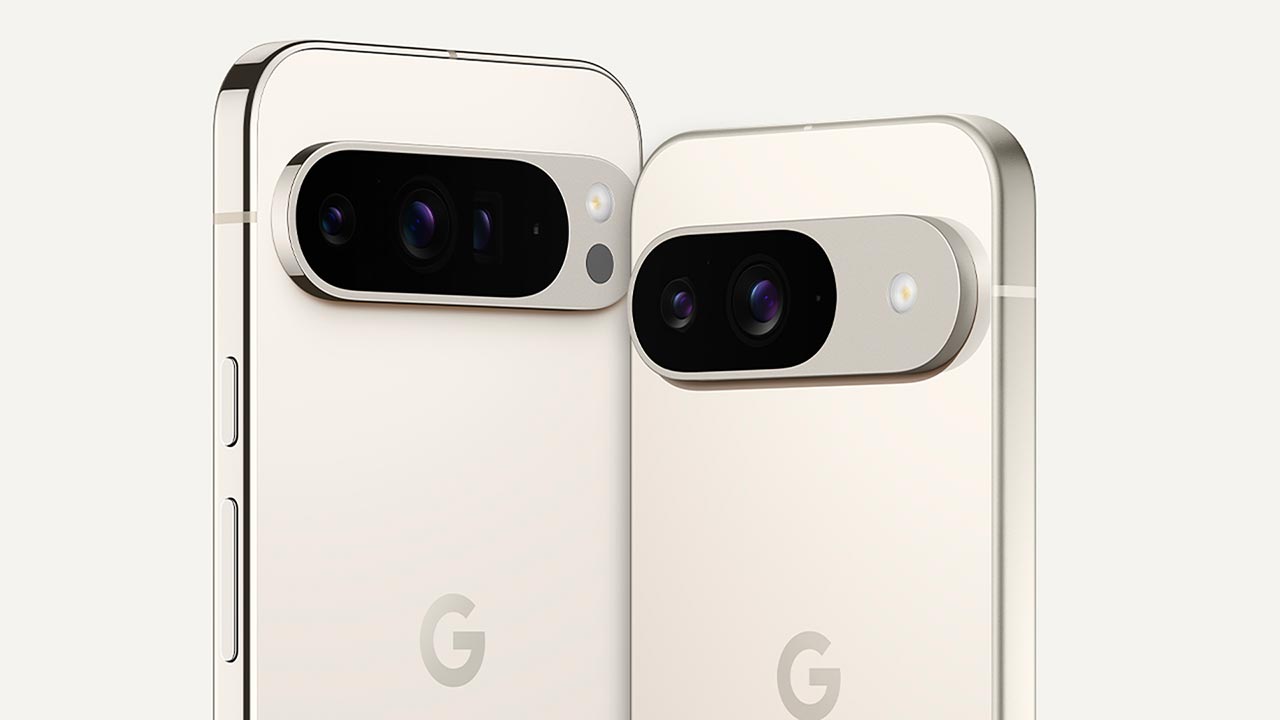
Pixel 9 got another year of satellite SOS at no additional cost. Google has confirmed the extension of the free period for the series, exceeding the initial duration of two years from activation. The company has not said what will happen after this additional window, nor has it announced a price for the service.
The extension is not equivalent to permanent gratuity. Google limited the confirmation to an additional year and did not provide details on subsequent decisions. Anyone who owns a smartphone from the series therefore gets more usage time included, without yet knowing the long-term economic conditions.
The original term had started to become relevant ad August 2026when the first activated devices had reached two years old. However, the reference to activation prevents us from treating that date as an identical deadline for everyone: the initial period depends on when each device entered service, not just on the commercial debut of the family.
What it is: Satellite SOS allows you to contact help in emergency situations when both the mobile network and Wi-Fi are missing. Google introduced this possibility with the Pixel 9 series, offering a form of limited connectivity intended for calls for help. Its value therefore mainly concerns situations in which normal communication networks are not available.
How satellite SOS works and what limitations remain
Google documentation describes a procedure that starts with attempting to contact the emergency number. When there is no coverage, the phone offers the satellite option: the user fills in a emergency questionnaire and follows the directions on the screen to correctly orient the device towards the satellite.
Communication with the support service continues through text messages. To receive the answers you need to stay outdoors, with a clear view of the sky; Google also requires you to use Google Messages as your default messaging application. These are operating conditions to be aware of before finding yourself without coverage, because they affect the actual possibility of using the function.
Even i connection and response times depend on location, site conditions and other factors. Free access does not eliminate these technical constraints and availability remains tied to supported countries and languages. The extension therefore concerns the cost of access, without transforming the satellite connection into a connection guaranteed in all circumstances.
The still unresolved point concerns the business model. The limited duration of the initial offer left open the possibility of a paid service, but did not automatically establish that Google would start asking for a subscription when it expired. The extension confirms that that term could change; However, it does not allow us to obtain a future price or a certain date for any charges.
An additional year at no cost for an emergency function already present on the device it is certainly not bad news, but to evaluate any subsequent expenses a new communication from Google will be needed.