
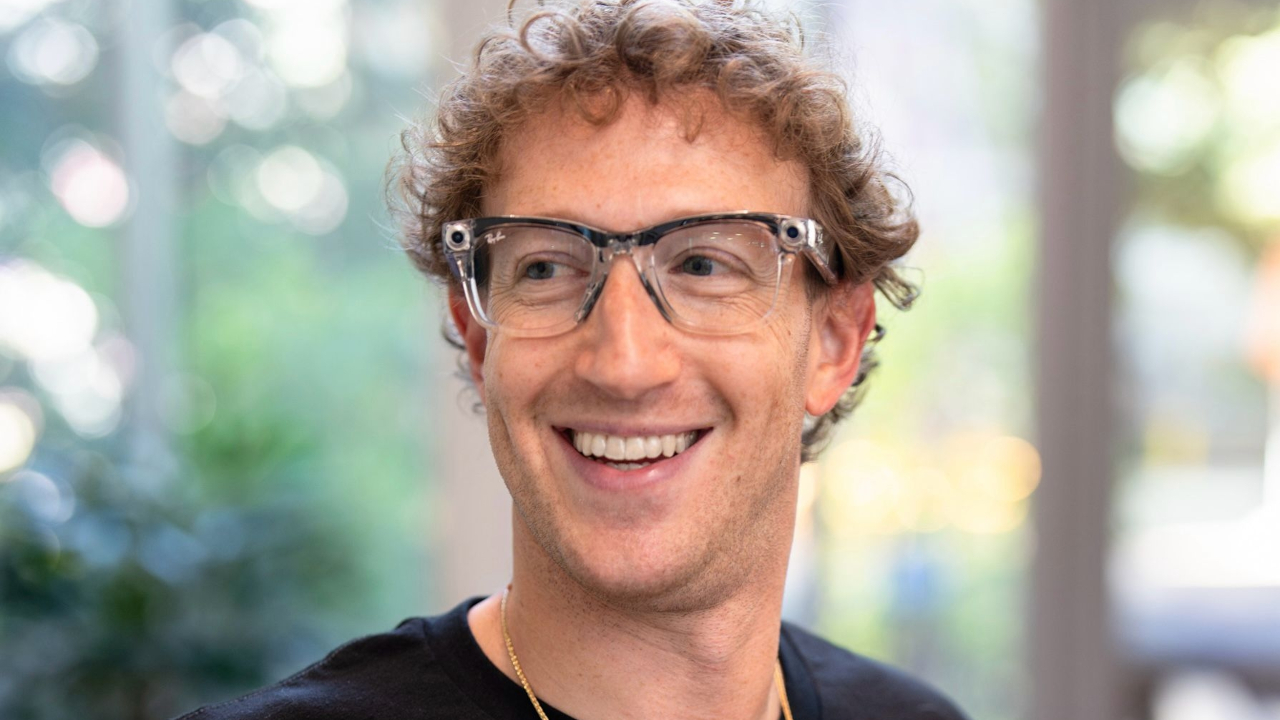
A memo from last January from the anti-terrorism section of the New York Police Department orders the officers to carefully inspect all the frames allowed in the cells of the detainees. The target is the Ray Ban Metathe glasses with cameras and microphones that according to the document can look like normal eyeglasses, and that a newly arrested person can use to record inside a police facility. The memo is one of the twelve internal documents obtained by transparency organization Property of the People and published exclusively by the Guardian.
“The ability to covertly record within a police or detention facility may pose a security risk if sensitive information about cell layouts, camera placement, or patrol routes is disclosed,” reads the text, which the NYPD’s Bureau of Intelligence and Counterterrorism later disseminated to other departments. The agencies that produced the other documents are scattered among the Maine and California and they insist on two distinct fears: that the glasses serve to film agents and structures without the knowledge of those who work there, and that they help prepare crimes and attacks. The January memo cites two videos that ended up on social media.
One of those videos, uploaded to TikTok in July 2025shows the inside of a South Carolina detention center at the time under federal investigation for unsafe conditions. “Everyone here is trying to figure out what’s going on with my glasses, why my little light is flashing,” says the videographer. “People don’t know what Meta glasses are.” In the images you can see a filthy shower, the inside of the cells, an overcrowded canteen and several other inmates sleeping, eating or walking without showing any sign of knowing they were being filmed. US detention facilities routinely seize any device capable of recording video, but some Ray-Ban Metas get through anyway: the frame is hard to distinguish from a regular pair of Ray-Bans or Oakleys, and the only sign is the small light that flashes on the corner of the front when the camera is active.
Facial recognition and internal bans
A bulletin released in June of this year by the Maine fusion center moves the problem out of the cells: “The possibility of smart glasses being used by residents and ordinary citizens for surveillance and other nefarious activities has introduced additional risks and concerns into Department of Corrections and law enforcement facilities.” Fusion centers are Department of Homeland Security facilities distributed across the country, which collect and analyze information deemed relevant to security from local police, private companies and other state and federal agencies. The Maine document adds a point: “Some smart glasses can exploit artificial intelligence software, facial recognition including, and this may lead to disclosure of publicly available information or links referring to agents.”
Similar warnings come from the Joint Counterterrorism Assessment Team of the Department of Homeland Security and from the fusion centers in San Diego, Tennessee, Virginia, Maine and New York. Some federal agencies have already translated the fear into a ban aimed at their employees: in August theICE has established that smart glasses fall into the category of body-worn cameraand therefore cannot be worn in the federal workspace, according to a memo from Acting Director David Venturella obtained by The New York Times. “Using Meta glasses or similar devices may unintentionally capture, record, or transmit sensitive information,” the document reads.
Meta claims his glasses “are designed to be noticed.” “Each model has a bright white LED that flashes when a photo or video is taken for the gallery. It cannot be turned off, and if anyone covers or tampers with the LED the camera is disabled,” the spokeswoman said. Dina El-Kassaby. Outside the police stations, concern is growing, however, among the public and among those who deal with privacy: the glasses, now nicknamed “pervert glasses”, allow people to be filmed without their consent and have already been used to harass someone.
The bicycle on Bourbon Street
An NYPD memo from January 2025 recalls the New Year’s Eve attack in New Orleans, when a man drove a pickup truck into a crowd on Bourbon Street, killing 14 people and wounding 35. The FBI had reported to local agencies that the attacker had cycled down that same road twice in late 2024 while wearing smart glasses, and claims he was conducting preliminary reconnaissance of the target. The memo calls on officers to notice and report anyone behaving suspiciously while wearing what may be smart glasses, and other documents talk about hostile pre-operational surveillance. El-Kassaby replied that the French Quarter is a popular tourist area, and that the attacker could have filmed it with any other device, including a phone.
In an August 2025 document, the NYPD writes that new artificial intelligence technologies can profoundly transform daily police operations, but that departments will also have to deal with public fears about their use. The text responds to FW 2027the document signed by a former OpenAI researcher and other industry experts on possible future developments of artificial intelligence, and warns that opposition to AI could lead to violent extremist activity against the technology and unrest linked to job losses, the spread of deepfakes and a decline in trust in government and technology companies. That formula does not correspond to a formal category of the Department of Homeland Security and has only recently appeared in law enforcement communications: there are those who fear that it could serve to criminalize any opposition to technology and the right to protest protected by the Constitution.
Ryan Shapiro, who directs Property of the People, reads in the memos the claim of exclusive use of surveillance: “These agencies surveil the public relentlessly, but the moment we can watch them in turn it becomes a security threat. When only the government can hold the camera, it is not security. It is impunity.” Evan Greer, head of the digital rights organization Fight for the Future, shows no surprise at the police’s concerns, and comes to the opposite conclusion: “Surveillance makes us all less safe. There are no Meta glasses intended only for the good.”