
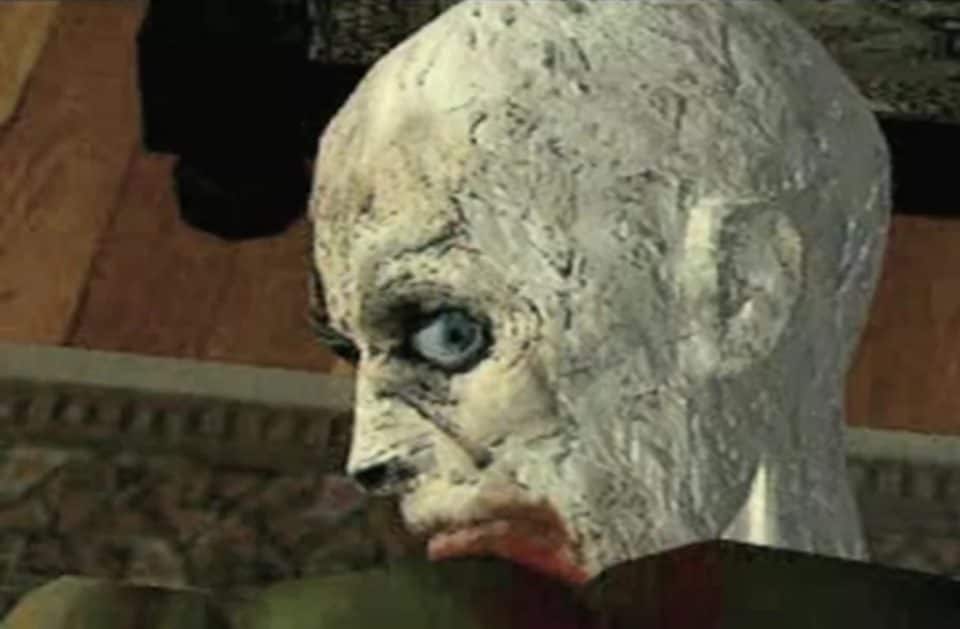
During the latest edition of Milan Games Week&Cartoomics, Shinji Mikami, the one who is considered the father of survival horror video games, explained to Fanpage.it the strong points of Resident Evil, between cinematic inspirations and video game interaction.
It’s 1996. Come on PlayStationSony’s newborn console ready to counter the dominance of Nintendo and Sega, arrives Resident Evil. It is a survival horror video game with 3D graphics. The protagonists are Chris Redfield and Jill Valentine, two members of the STARS (Special Tactics And Rescue Service) team. They are stuck inside Villa Spencer: among its rooms there are zombies and other abominable creatures. What remains imprinted, years later, is the anxiety of wandering through the pompous corridors of the mansion, while hearing the cries of the living dead, who advance slowly or feed on Chris and Jill’s unfortunate companions.
The credit goes mainly to the atmosphere of Resident Evil, still unmistakable today: the fixed camera behind the characterthe save room with the typewriter to save on the memory card, the weapons almost always running out of ammunition, the puzzles to solve. Everything is supported by a melancholic and distressing soundtrack. The result is an epochal game which marked the birth of one of the most important franchises in the history of the video gameas well as having revolutionized the genre survival horrorborn in 1982 from Haunted House on Atari 2600.
“If I think about what I took from the films, an example is ‘Dawn of Dead’, from which I drew inspiration,” he tells Fanpage.it Shinji Mikamithe creator of Resident Evil and “the father of survival horror”, as he is defined by the gaming community. The film he cites is that of Geroge A. Romero, released in cinemas in 1978. An important film, which led the figure of the zombie to abandon the confines of voodoo folklore to penetrate the pop imagination as symbol of consumerism and dehumanization.

SHINJI MIKAMI | Japanese game designer, creator of Resident Evil
With Romero – and later with Shinji Mikami – the zombie becomes an apocalyptic and social monsterhungry for human flesh. The difference between Dawn of Dead and Resident Evil lies in the means by which this message is communicated. “What was taken from the films is linked to the scenarios, with the difference that I (in the video game) can make the choices and decide how to survive”. Survival as a player-dependent element causes the atmospheres it operates in to seep in, leaving a greater emotional impact.
This interpretation of the zombie monster then led to the boom in figure of the living dead over the decades, up to around the 1910s, as demonstrated by the successes of the Zombie mode of Call of Duty and the TV series The Walking Dead. Today, however, this monster no longer seems to have the strength it once had, perhaps because it is dominated by terrifying new beings. “The scariest thing about 2024 is humans, and that’s it.” Says the Japanese game designer. A laconism that perfectly encapsulates the anguish derived from a dystopian current situation in all respects, between climate change, wars involving civilian populations and an increasingly present state of violence and anger.
In this context the zombie loses its value, leaving room for all the ugliness of the human beingwhich is alive and sentient. A trend that Mikami had already glimpsed in 2005 and which he gave shape to Resident Evil 4. In this critically acclaimed chapter, the living dead of the first trilogy are replaced by the Ganados, more human enemies, who speak a well-defined language – Spanish – and rationally and physically more capable, given that they chase, hunt and call for reinforcements to matar the protagonist Leon S. Kennedy. The game is available in a more modern version called Remake.
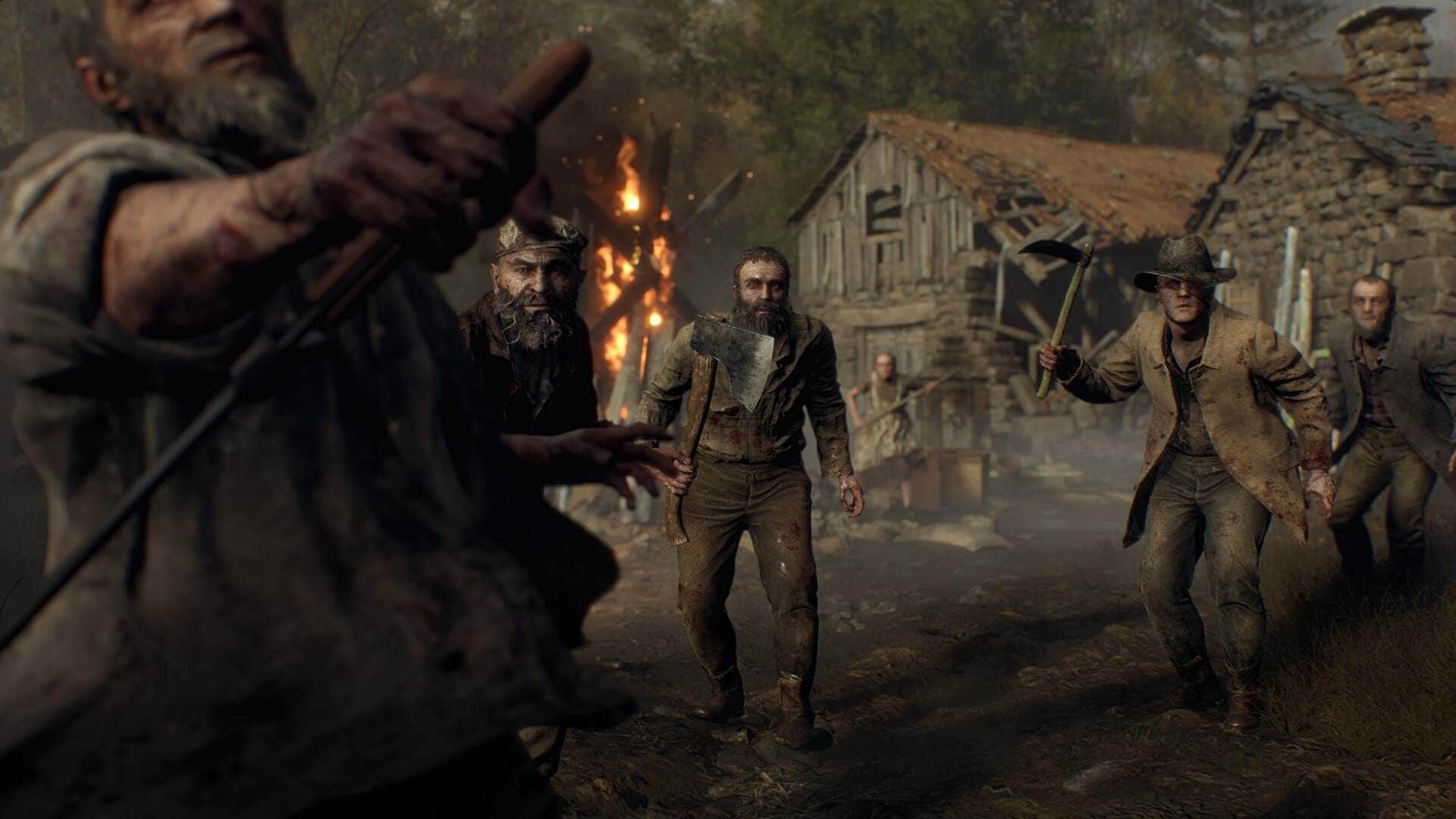
SHINJI MIKAMI | The Ganados in Resident Evil 4 Remake
Resident Evil is a series that allowed Mikami to experiment with the gaming mediumeven across technical limitations. The first three chapters are remembered for the fixed camera, a choice derived from the impossibility of creating open and freely explorable scenarios in the 90s. A limit which, however, proved to be functional in creating anxious sensations of fear. Then with Resident Evil 4 on Nintendo GameCube the turning point, thanks to the new technological possibilities of the sixth generation of consoles, which allowed a more complex and structured game design, more focused on verticality and speed. A different but still effective way of trigger fear.
Given the technological level reached today, it is natural to ask how it is possible to obtain similar results. “It’s difficult,” Mikami says. “Because what’s scary are the emotions you feel when you play a game. So, the difficult part even nowadays is not so much creating something technically elaborate, but coming up with an idea that then works and is actually scary.” An answer that makes it clear how important emotions are in the gaming experience, much more than technical and graphic quality.
Today Shinji Mikami no longer works for Capcom and Resident Evil, and his future is shrouded in mystery. However, given his past, which in addition to the zombie franchise includes Dino Crisis, The Evil Within and Ghostwire Tokyo, there is deep curiosity about what he could give birth to one of the most inspiring and innovative minds of the gaming landscape.