
WhatsApp started sending communications directly to users. In recent weeks, a notice has been sent to set up a security pin, now it is remembered how end-to-end technology works to protect conversations.
Whatsapp began to send Messages directly to users. They arrive in chat, from an account called WhatsApp. To avoid the scams we remind you of the account has the verified and underneath the official WhatsApp account is written. A couple of weeks ago a message arrived on the security pin. Now another.
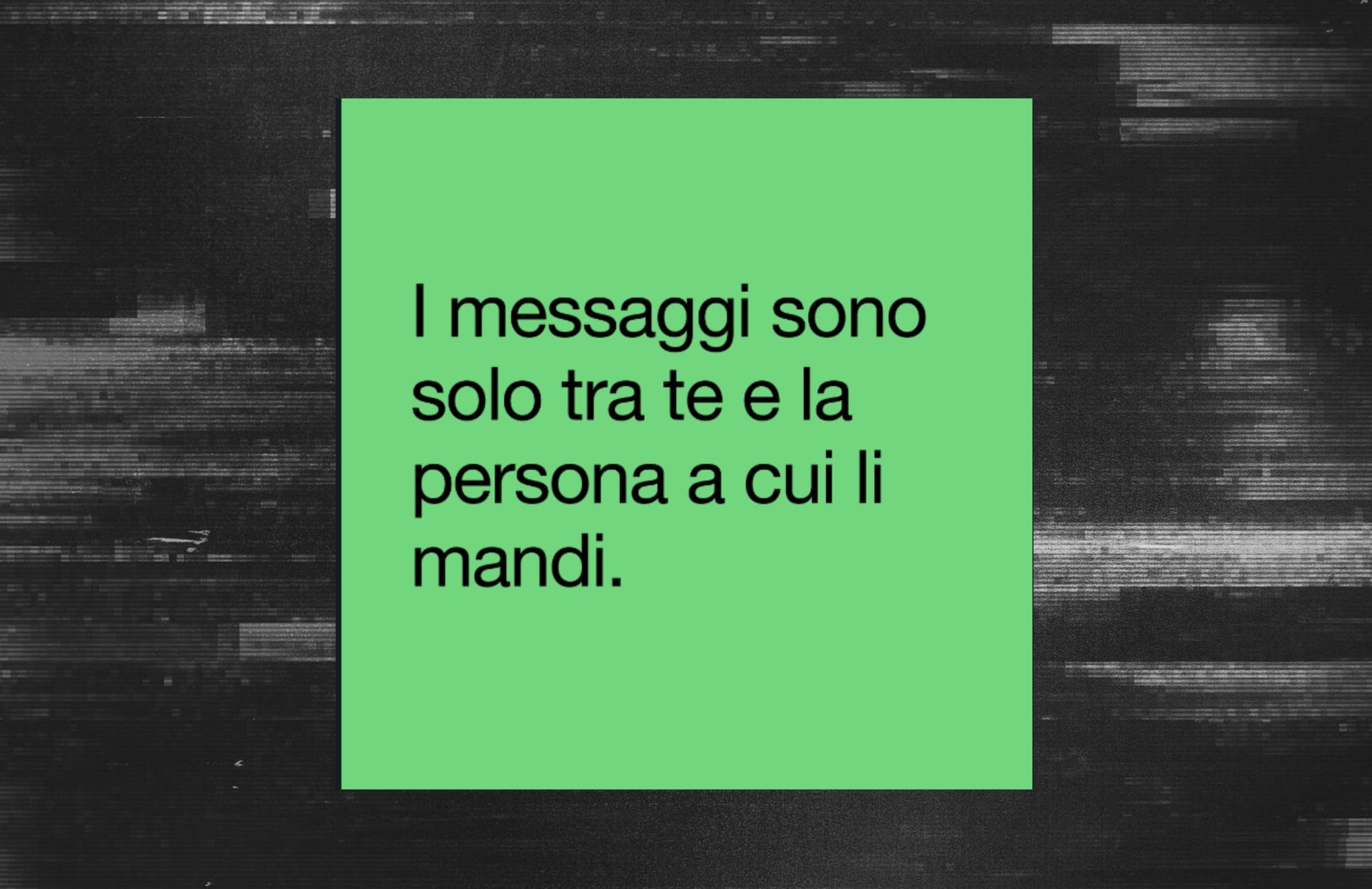
The communication this time it doesn’t seem anything new. WhatsApp recalled that communications within the platform are regulated by one End-to-end type encryption. In the message we read: “No one else, not even WhatsApp, can view your personal messages”. Of course, unless you are satisfied with a malware like paragon.
What the Meta policy says
WhatsApp’s message refers to an internal page with End-to-end policy policy. Reading it it does not seem anything new compared to what we already know about encryption. Points out certain aspects of privacy management but substantially does not change anything compared to before. We report the part that explains the functioning of the technology:
On WhatsApp there may be a way to hide your phone number: what is the username function
“End-to-end encryption protects calls and personal messages between you and the person you are communicating with. Nobody outside the chat, not even WhatsApp, can read, listen to or share their content. With end-to-end encryption, your messages are protected with a padlock, and only you and the recipient you have the special key needed to unlock and read them”.
The problem of destination data with artificial intelligence
It is not clear theOrigin of the message. The only connection we see concerns the new policy on the use of user data for theartificial intelligence. The May 27th The time in which it was possible to oppose in Meta on the use of your personal data for the training of artificial intelligence models has expired. If you have not signed the form there is still one thing you can do: send the form anyway and assert your opposition from here on.