
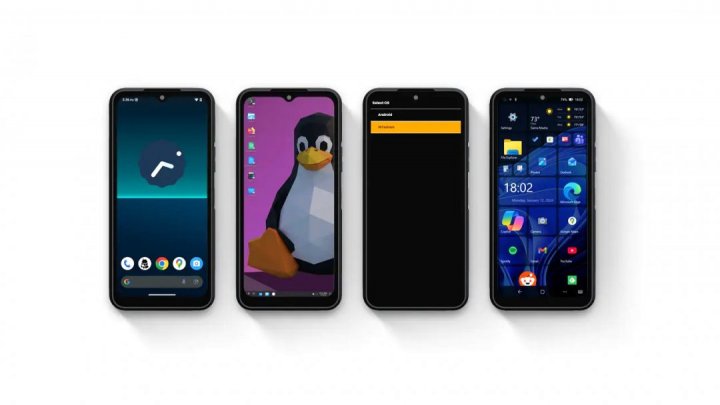
The NexPhonethe ambitious smartphone from Nex Computer designed for officially run and support Android, Linux and Windows 11it will take longer than expected.
Compared to the initial intention to launch the product by the end of the year (or in Q3 2026), the developer company has communicated that the new window of launch is fixed towards March 2027.
At the root of the delay, this time, there is not just the “usual” crisis of memories but, mainly, other problems that emerged during the development phase.
The reasons for the delay
The slippage is mainly due to a design problem related to antennaswhich under certain circumstances caused interference. To resolve the anomaly, Nex Computer was forced to change the designreview the dedicated sheet and create new prototypes.
The company is taking the opportunity to contribute further improvements to assembly and component quality. Updates on this should arrive in the coming weeks.
Added to the technical delay is an economic problem linked toincrease in memory costs. Strong demand for components from companies active in the artificial intelligence sector is putting pressure on prices.
For this reason, Nex Computer has already anticipated that the final list price of the NexPhone will be above $599 currently listed for pre-orders.
Reassurances on pre-orders
Despite the price increases on the horizon, the company confirmed chand those who have already booked the device will not suffer any increase. The price agreed during the pre-order phase (549 or 599 dollars) will remain strictly blocked. The final retail price has not yet been established and will only be communicated when the production costs are completely definitive.
Software advancement: moving to Android 17
The additional months of development are allowing the team to refine the software. The NexPhone will no longer be based on Android 16, but will adopt Android 17. Android’s desktop mode has received significant updates: you can now create files and folders directly on the desktop, the recycle bin has been introduced, and the file manager now offers a dual-pane view to simultaneously manage source and destination directories.
As for Windows and Linux, developers are continuing work on driver optimization for Windows 11 and Debian Linux integration. The latter runs internally within Android, effectively making the device a dual-boot capable of managing three different operating systems.