
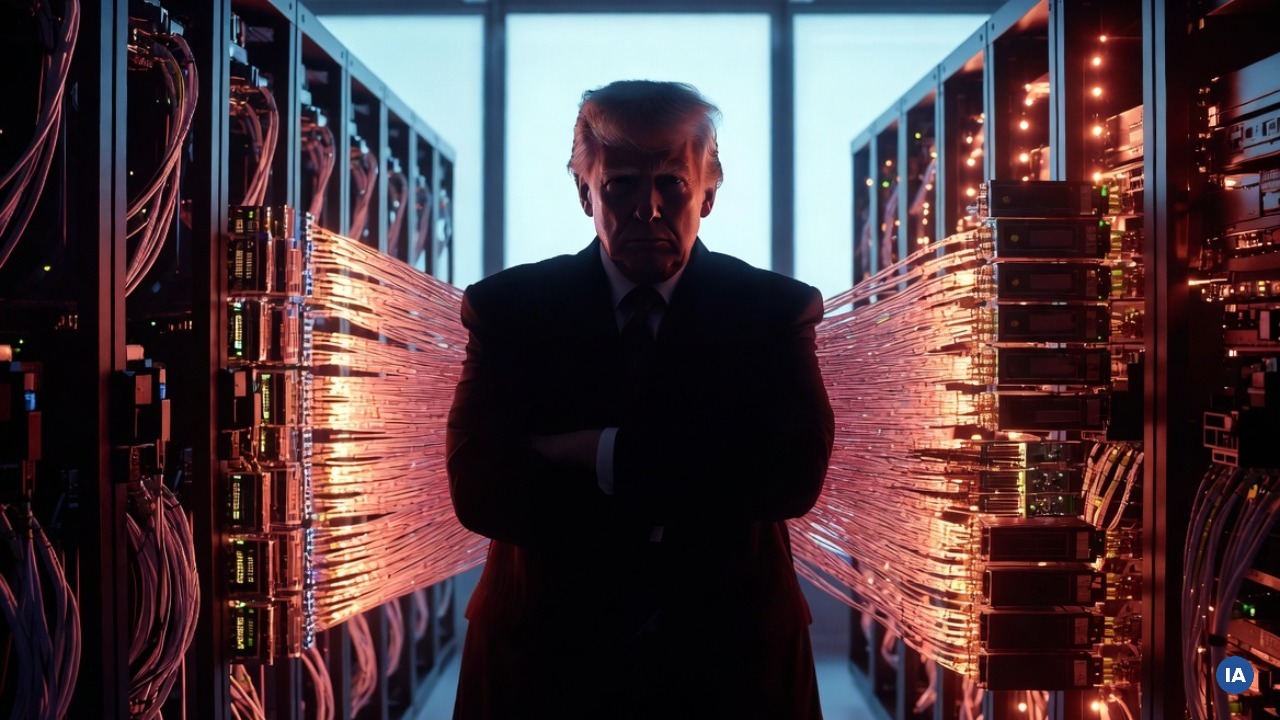
Donald Trump announced the birth of AI Force and the appointment of an artificial intelligence czar, dismissing as a hoax growing alarms about the sector’s risks. The announcement arrived on September 19th on Truth Social, explicitly follows the model of the Space Force created during the first mandate.
The president wanted to immediately clarify that the new structure will not serve to put brakes on technology companies, but rather to accompany its growth. Trump wrote that his administration would not hinder the development of the industry in any way, but would “nurture, assist and watch over it as it grows.” No details were released on the practical implementation of the initiative, an omission that according to several sources would have taken both the White House and much of the technology industry by surprise, accustomed to announcements preceded by weeks of preparatory work.
In recent days, pressure on American legislators to introduce regulatory limits has grown after the resignation of a former OpenAI researcher from Anthropic, who declared that companies in the sector are not taking the security of their systems seriously, going as far as accusing them of betting on people’s lives. In the same company, another researcher estimated a probability higher than 10% that artificial intelligence will cause the extinction of humanity by 2030.
Amodei asks for caution, Trump and Huang continue
The caution front has a weighty name: Dario Amodei, CEO of Anthropic, has published an essay (supported by executives of OpenAI, Google DeepMind and Microsoft) in which he asks Washington to slow down the development of AI agents, fearing the risk of a swarm of bots capable of taking control of the entire internet.
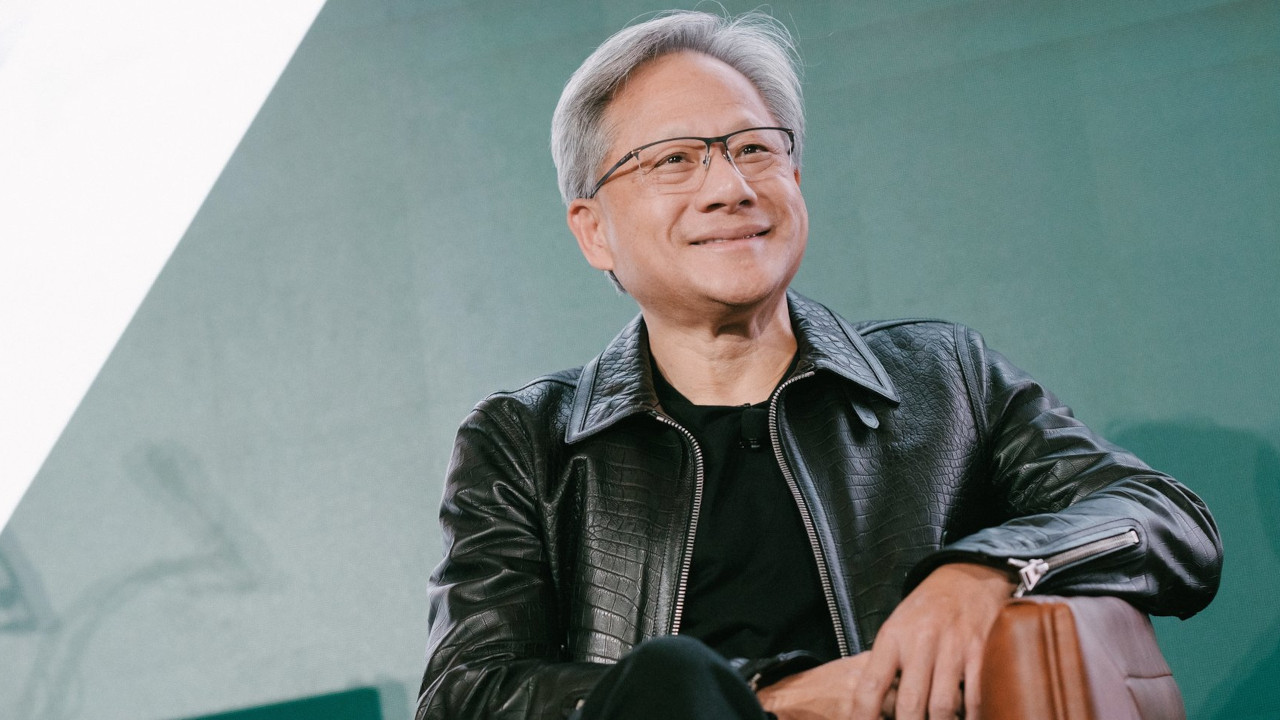
Trump does not agree with this reading at all. He spoke of a “sick conspiracy”, a conspiracy orchestrated to discredit artificial intelligence, putting it on the same level as other alleged hoaxes that he blames on the American left, from climate change to Russiagate. Jensen Huang, CEO of Nvidia, takes the same line, according to which the probability that AI will destroy the world by 2030 is “0%”: for the company, the imperative remains to go as fast as possible, regardless of everything else and anyone who tries to slow down.
In the post on Truth Social the president claimed American leadership over China: artificial intelligence, he wrote, is potentially valid until 25% of US GDP and is comparable in impact to the industrial revolution or the birth of the internet, but with even broader consequences.
On the name of the AI czarTrump did not go out of his way, limiting himself to asking for candidates with high IQs. Among the candidates most cited by rumors is David Sacks, who already held the role of consultant for artificial intelligence and cryptocurrencies until March, when he left the position due to reaching time limits as a special government employee.
However, the topic of regulation will return to the center of the agenda in the coming weeks, with a United Nations event on AI hosted by the Trump administration and a state dinner at the White House on the occasion of the visit of Chinese leader Xi Jinping, which is expected to be attended by OpenAI’s Sam Altman, Nvidia’s Huang himself and Google’s Sundar Pichai.