
“All or part of the content of this image was generated or modified with Google’s artificial intelligence.” The image in question shows a bombing in Iran. I saw it online, uploaded it to Gemini and subjected it to SynthID analysis. There is no watermark, symbol or writing. On the surface it looks like a real image, only a few details betray its artificial nature, which is then confirmed by the reverse analysis.
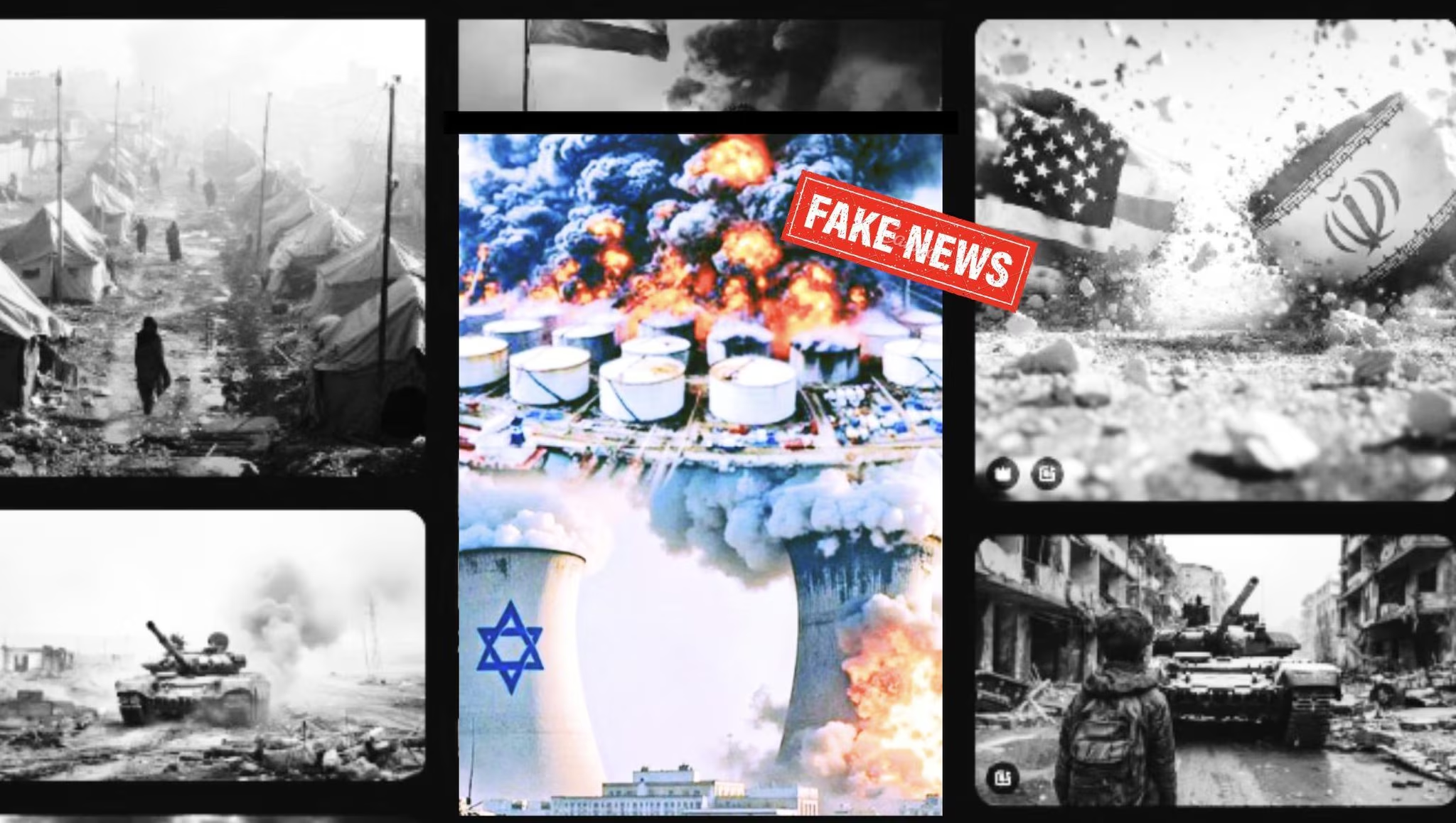
It is not the only artificial image of the conflict in Iran. Online there are dozens of photos of bombings, columns of smoke, cities in flames, destroyed airports created with AI. Some also published by national newspapers. We spent hours trying to tell the difference the fake pictures from the real ones. The results of our analysis show a widespread network of fake accounts and AI images they are returning a distorted narrative of the conflict in Iran.
What we found online: fake photos and videos
The list of images and videos created with AI is long. There is a photo of an exploded Iraqi airport, a bombing of the US embassy in Riyadh, footage of downed US fighter jets, and footage showing a fire at an oil refinery in Saudi Arabia.
The US-Israeli proxy war with Iranian Kurds may fragment Iran
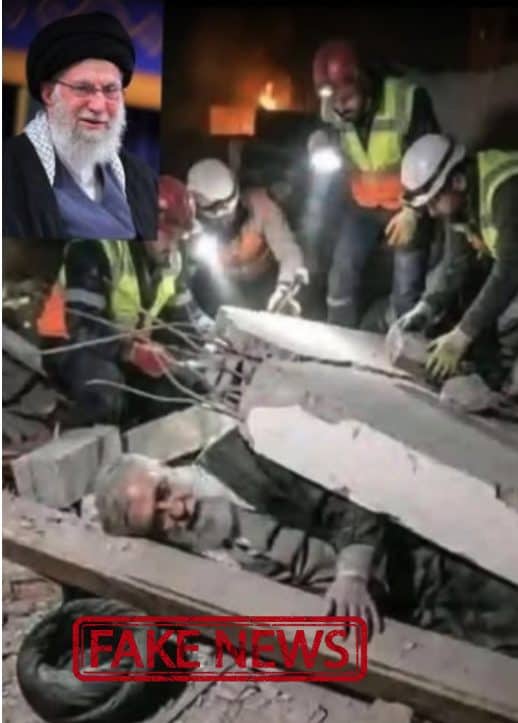
Another photograph that has gone viral depicts the Iranian Supreme Leader, Ali Khameneilifeless under the rubble. Also in this case it is a fake generated with artificial intelligence. Iranian state media reported that Khamenei was killed in shelling in Tehran, but no verified images of the recovery of the body have been released so far.
There are also real but decontextualized images. For example, a video presented as Khamenei’s funeral, with “millions of people” in procession. It actually shows the funeral of the Hezbollah leader Hassan Nasrallahheld in Beirut in February 2025. The Lebanese flags and those of the Shiite movement, visible on the coffins and along the processionmake the attribution error evident.
Satellite images of the destruction of a large US military radar at the Al Udeid base in Qatar are also fake. The first photo does not portray the Qatari base, but the headquarters of the US Navy’s Fifth Fleet in Bahrain. The second instead appears as a digitally manipulated version of the same photograph.
The origin of images created with AI
Many images were published by anonymous or fake accounts on social media. After the death of the Iranian Supreme Leader, Ali Khamenei, his functions passed to a temporary council of three members: President Massoud Pezeshkian, the head of the judiciary Gholamhossein Mohseni Ejei and the conservative cleric Ayatollah Alireza Arafi.
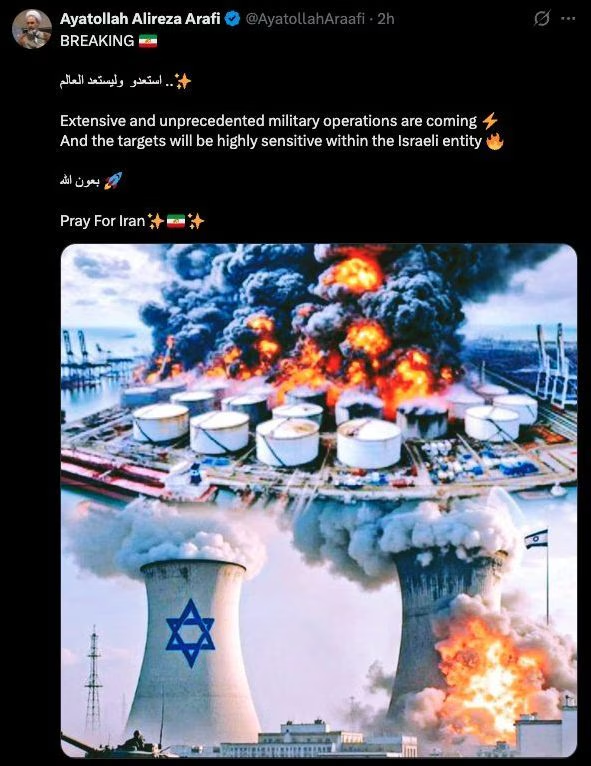
A few hours after the announcement, two accounts in Arafi’s name appeared on X. Both created on the same day of nomination. They have been publishing content in series ever since. Unverified material. Fake images. Content generated with AI. One of the profiles has even the blue check. It once indicated institutional accounts or verified public figures. Today it is a paid service. Not a proof of authenticity. At the moment, it does not appear that Arafi has an official account on X.
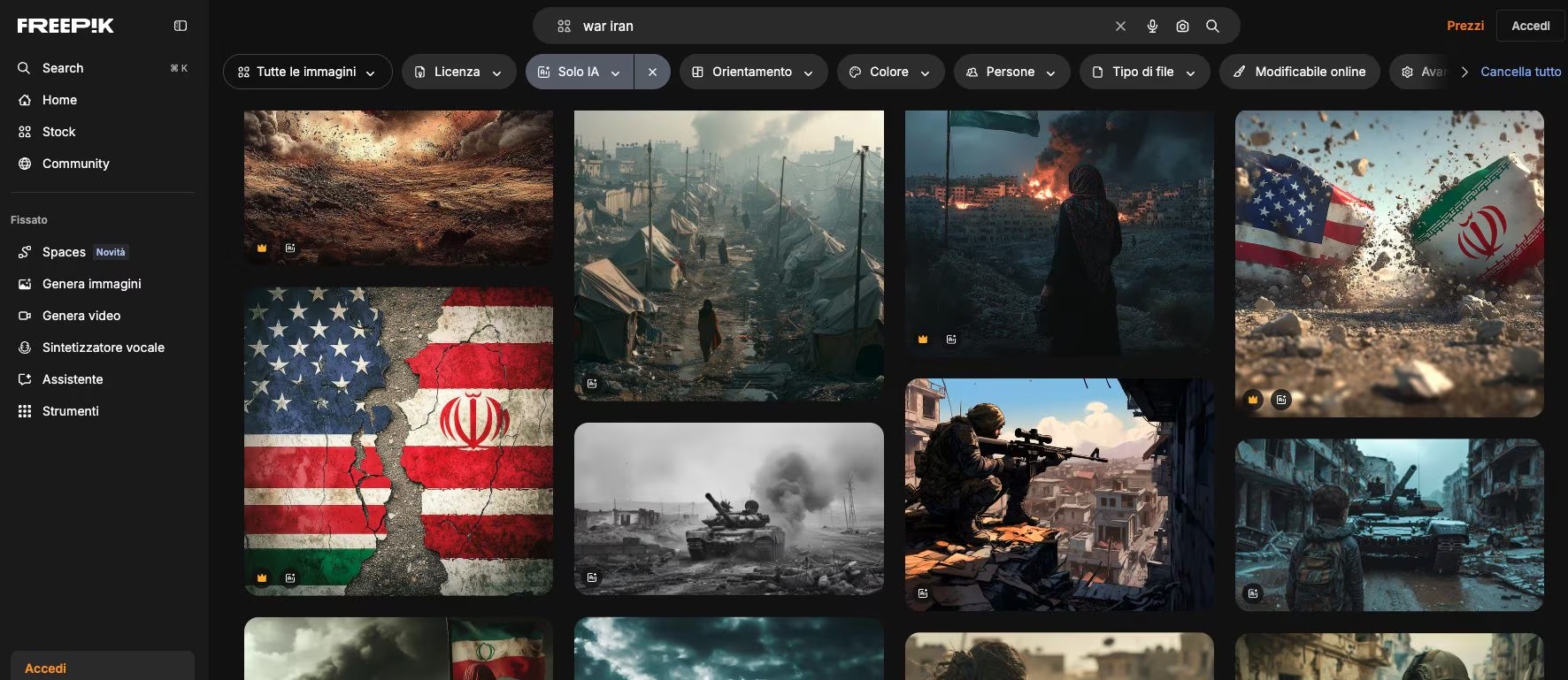
We also found dozens of AI content on image providers like Freepik and Adobe. Pages and pages of bombings and clashes in Iran generated with artificial intelligence. Each image is marked with a caption “Generated with AI”. Yet the same photos bounced around blogs, sites, chats, without any labels. Exchanged for real images.
The era of preventive disinformation
We are witnessing a new frontier of synthetic reality, the images created by artificial intelligence give shape to one preventive disinformationwhich tells of events that never happened, generating false but credible evidence. In recent months we have seen an epidemic of AI content, making it increasingly difficult to distinguish fake images from real ones. In fact, the new models are performing and in some cases to the naked eye, even for those who are trained, it is difficult to distinguish them.
In a war context, where verification is already complicated due to the speed of events and the scarcity of independent sources on the dissemination of material generated with AI amplifies misinformation. They are images that confuse, can diminish or amplify, create attacks that never existed or unjustified alerts. Not only that, these images can also be exploited to manipulate and influence public opinion. Finally they go to undermine trust in authentic imagesbecause when everything can be false, even the truth begins to seem suspicious.