There are those who recommend not taking liquids before going to bed, taking magnesium, melatonin or using lamps with filtered lights to relax the muscles. The risk is of developing a disorder similar to orthorexia, an obsession with healthy eating.
Masks, blue glasses, pineal glands stimulated and a kiwi every night before going to sleep. These are just some of the sleepmaxxing ritualsthe new obsession for perfect sleep. On social media, more and more users are publishing tips and techniques, not all of which are scientifically proven, to improve sleep during the night. On TikTok there are approximately 125 million posts about sleepmaxxing.
“It has become a social media trend, sleepmaxxing wants to optimize the quality and quantity of sleep by focusing on products, techniques and strategies to help you get more restful sleep,” he explained to Mashable Nerina Ramlakhansleep expert and physiologist. “It’s a growing viral trend because, although our physiology is perfectly designed to allow us to sleep well, the way we live our lives it puts us to the test“.
The rituals of sleepmaxxing
“People are obsessed with getting a good night’s sleep and are looking for solutions,” Ramlakhan explained. “And this is where sleepmaxxing comes in” where technology, luxury products and unconventional lifestyles are combined to achieve the perfect sleep. There are those who advise not to hire liquids before going to bedtake magnesium, melatonin or use lamps with filter lights for relax your muscles. Then there are special cushions, background sounds, intelligent pajamas. In short, sleep is a growing business.
The case of influencer events explodes, the testimonies: “I left crying”
What is it that really keeps us from sleeping?
“There are definitely sleep aids and techniques that work,” Ramlakhan explained. “But there are often problems generated by underlying problems such as fear, anxiety, lack of control, past trauma or relationship challenges. Sleepmaxxing could help for a while, but the work is deeper and lies in finding inner security and serenity”, he explained. It is also good to adopt a healthy lifestyle, eat well, hydrate and do physical activity.
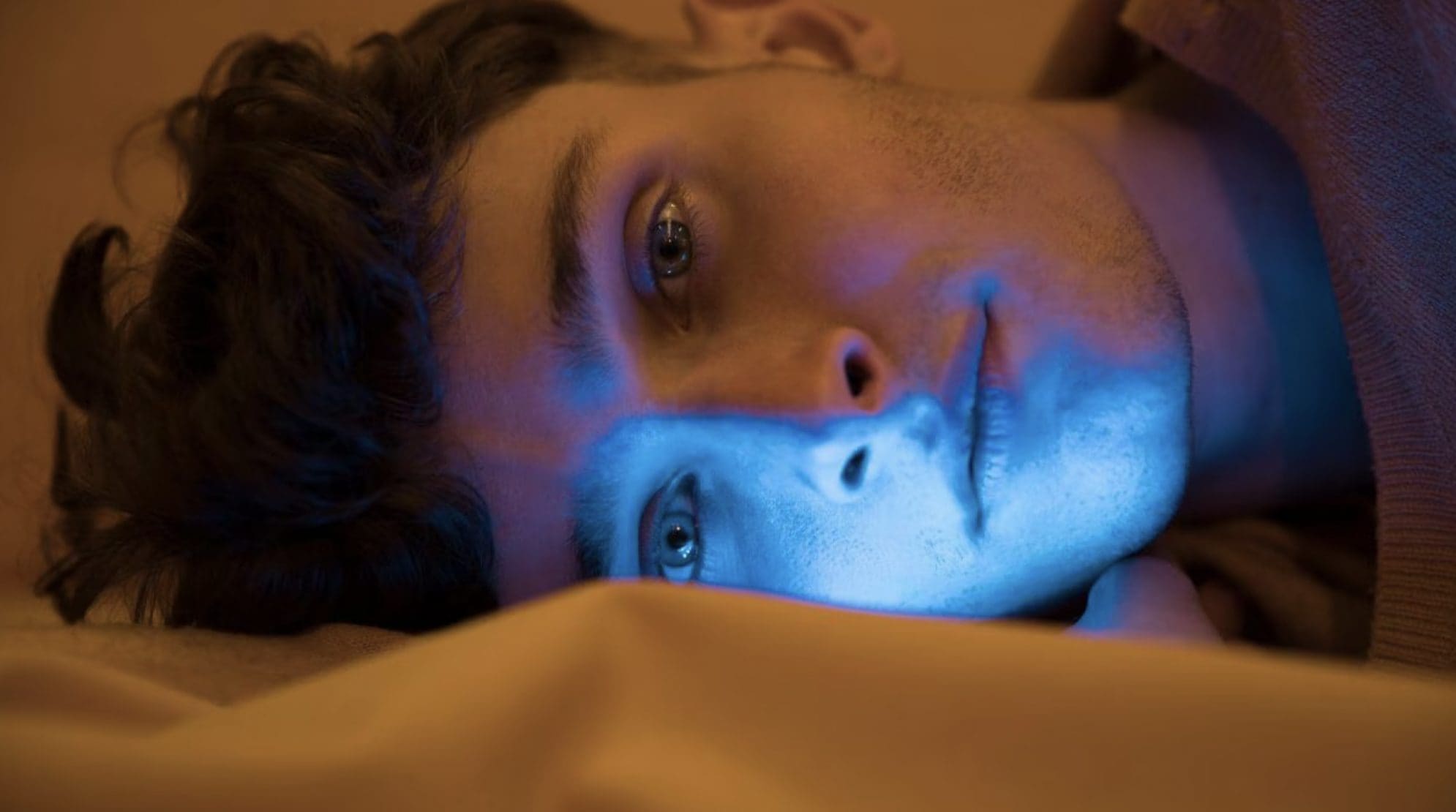
Which then, as Ramlakhan explains: “the biggest obstacle to sleeping well is our own obsession with phones and in my vast experience, there is not a product out there that can improve the effects of constant phone use and our obsession with social media.”
What are the risks of sleepmaxxing
There are many scientific reasons to seek good sleep. Sleeping poorly exposes you to a greater risk of diabetes, cardiovascular diseases, Alzheimer’s, memory problems, tiredness, anxiety, depression, mood disorders and poor performance at work. Sleepmaxxing could be triggering though a “perfect sleep” anxiety which would ultimately prevent one from sleeping peacefully, indeed, according to Ramlakhan, “it ends up keeping you awake“.
The risk is that a disorder similar to orthorexia, an obsession with healthy eating, will develop. As he explains Milena Pavlovamedical director of the Sleep Testing Center at Brigham and Women’s Faulkner Hospital in Boston, the risk is that people set the right time for themselves to fall asleep. “Sleep is a passive process. It must be protected, not forced, or maximized.”